Faust (1926)
Pact with the Devil
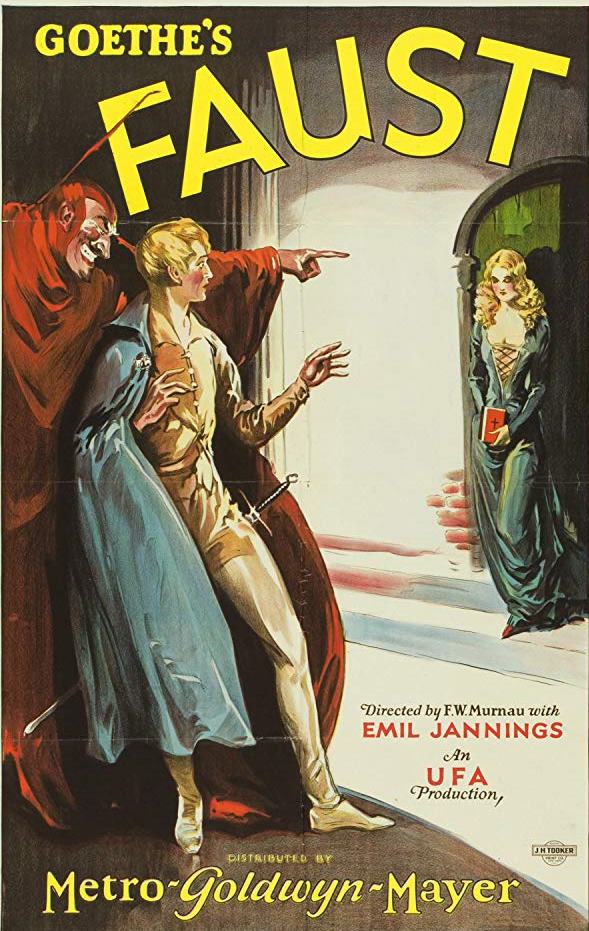
F.W. Murnau’s version of the classic tale of an aging scholar selling his soul to the Devil is one of the most fabulous pieces of pure cinema to come out of the German Expressionist era
The Science Fiction Horror and Fantasy Film Review

German Expressionism is a term given to the unique body of a series of films made in Germany during the era of Silent Films. The fad was created by The Cabinet of Dr Caligari (1919), a work that takes place in a maze of distorted and angular sets filled with black-and-white lighting schemes and exaggerated shadows. The end reveals that the film takes place inside the mind of a madman and the sets thus represent a disturbed state of mind.
There were not many films that directly borrowed Caligari’s sense of a distorted inner world but many films since have borrowed from its design schemes – it even quoted in modern music videos.
More to the point, many of the films that followed took from Caligari the idea of creating an external world that an exaggerated echo of an inner state of mind. The films of in particular Fritz Lang created massive works of architectural fantasy.
These films also seemed caught between a world that was Gothic – all fearful and surrounded by shadows – and struggling towards modernism – sometimes both as in the classic Metropolis (1927). Other works of the era draw from Teutonic and European myth and legend.
F.W. Murnau’s version of the classic tale of an aging scholar selling his soul to the Devil is one of the most fabulous pieces of pure cinema to come out of the German Expressionist era
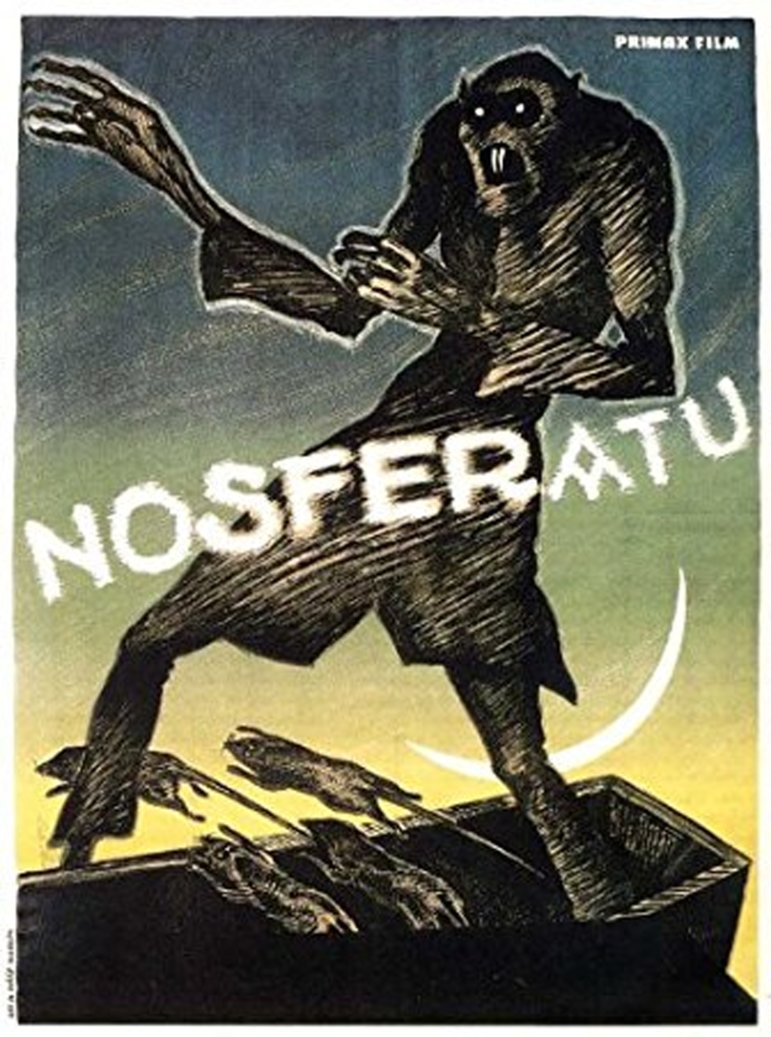
The first screen adaptation of Dracula and one of the most amazing of all vampire films, a German Expressionist fairytale that exists in haunted netherworld through which stalks the crepuscular figure of Max Schreck
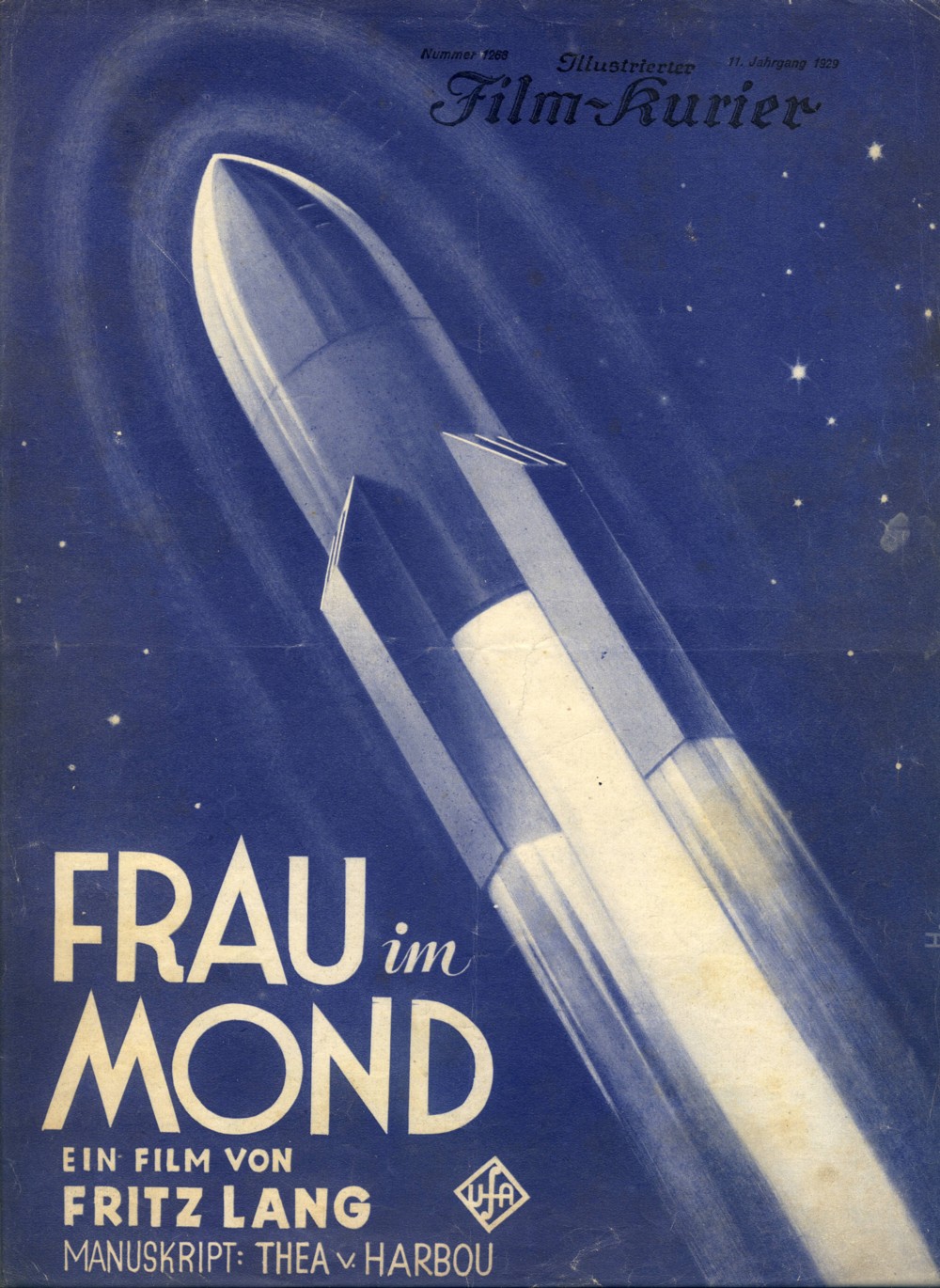
A silent film from Fritz Lang where he sets out to depict a realistic attempt (at least in terms of what was known in the era) to build and launch a rocket to The Moon. Lang directs with an epic grandeur that still takes back today.
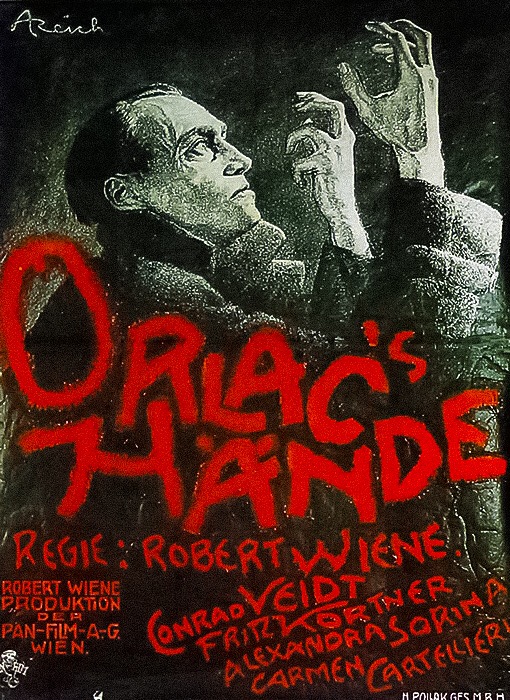
Classic German silent film about a pianist who receives hand transplants and believes they are possessed. Superbly stylised direction from The Cabinet of Dr Caligari director Robert Wiene and with Conrad Veidt putting his all into the contorted mime work
A classic of the silent German Expressionist era, telling three tales throughout history – about the Caliph of Baghdad, Ivan the Terrible and Jack the Ripper – all set around the locale of a wax museum

Superlative film that recreates an imagined world of 1930s retro sf filled with flyer heroes, giant robots and stunning Art Deco designs.
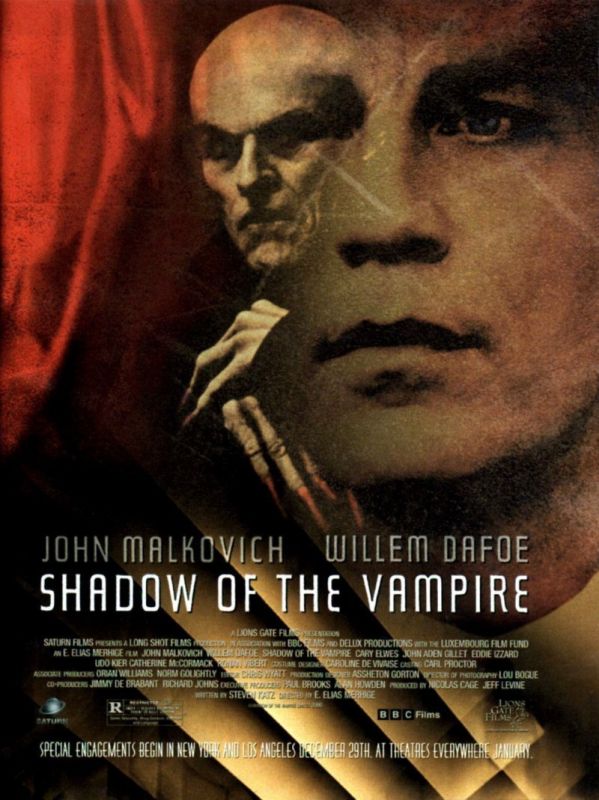
This comes with the clever and uniquely original premise that asks what would happen if during the making of the 1922 Nosferatu actor Max Schreck turned out to be a real vampire
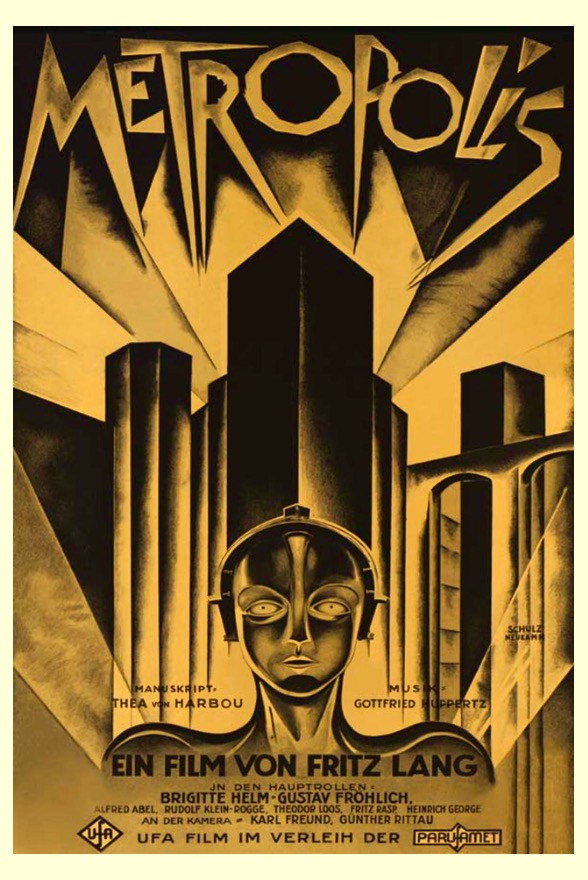
Fritz Lang’s visionary work was something way ahead of it time and is one of the few silent films still screened today. The film’s politics are naive but Lang’s visions of the city of the future and the first screen robot are vivid.
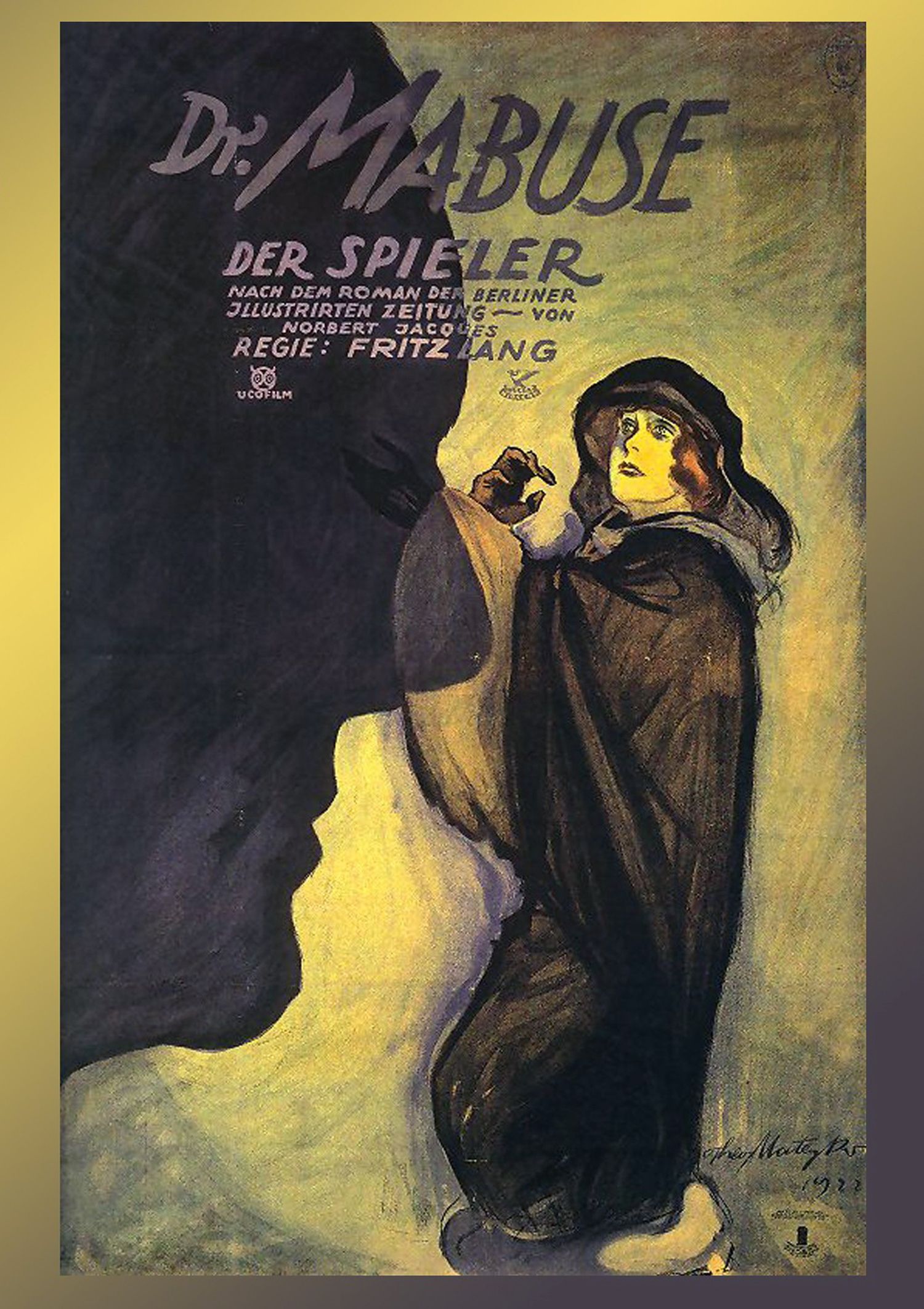
Dr Mabuse is one of the great villains of cinema, a creation of Fritz Lang of Metropolis fame. Lang was one of the greatest directors of the silent era and this, the first Mabuse film, is extraordinary. Lang indulges in purely visual tricks that still look sensational today
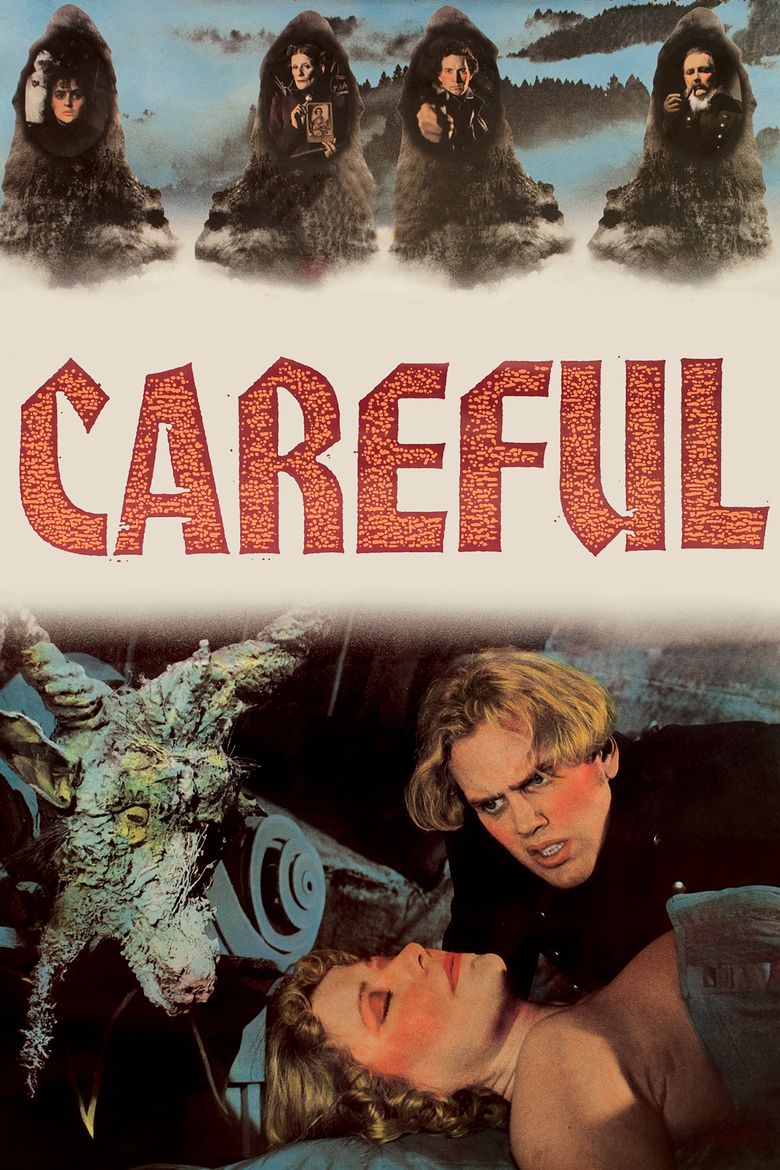
The third film from Guy Maddin film. This feels like a parody/homage to German Expressionism all filmed on deliberately unreal sets and purple dialogue played with an hilarious deadpan
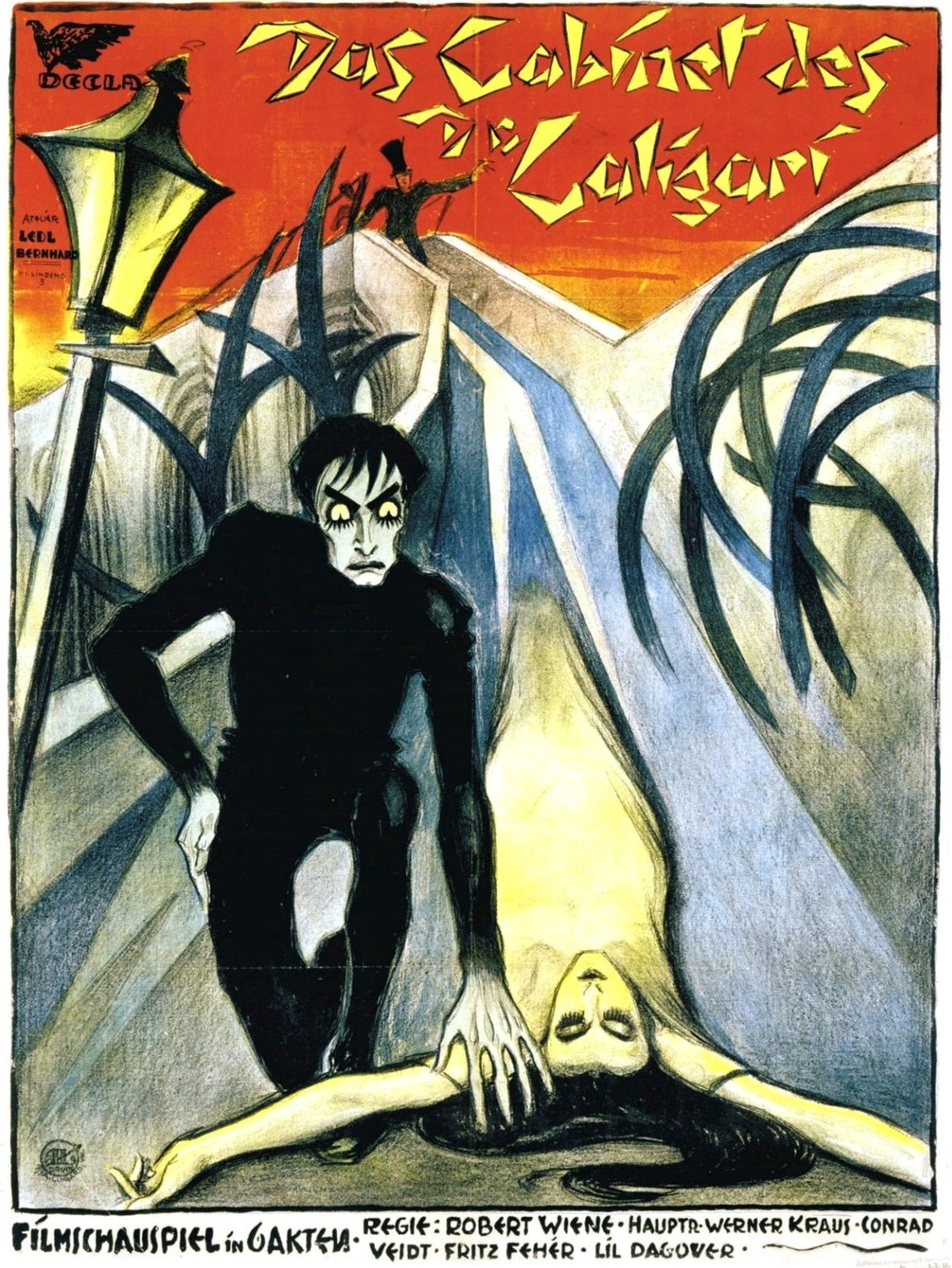
Classic film that was groundbreaking for its designs – all distorted and angular sets, exaggerated shadows – that became defined as German Expressionism and its tale of a sinister hypnotist
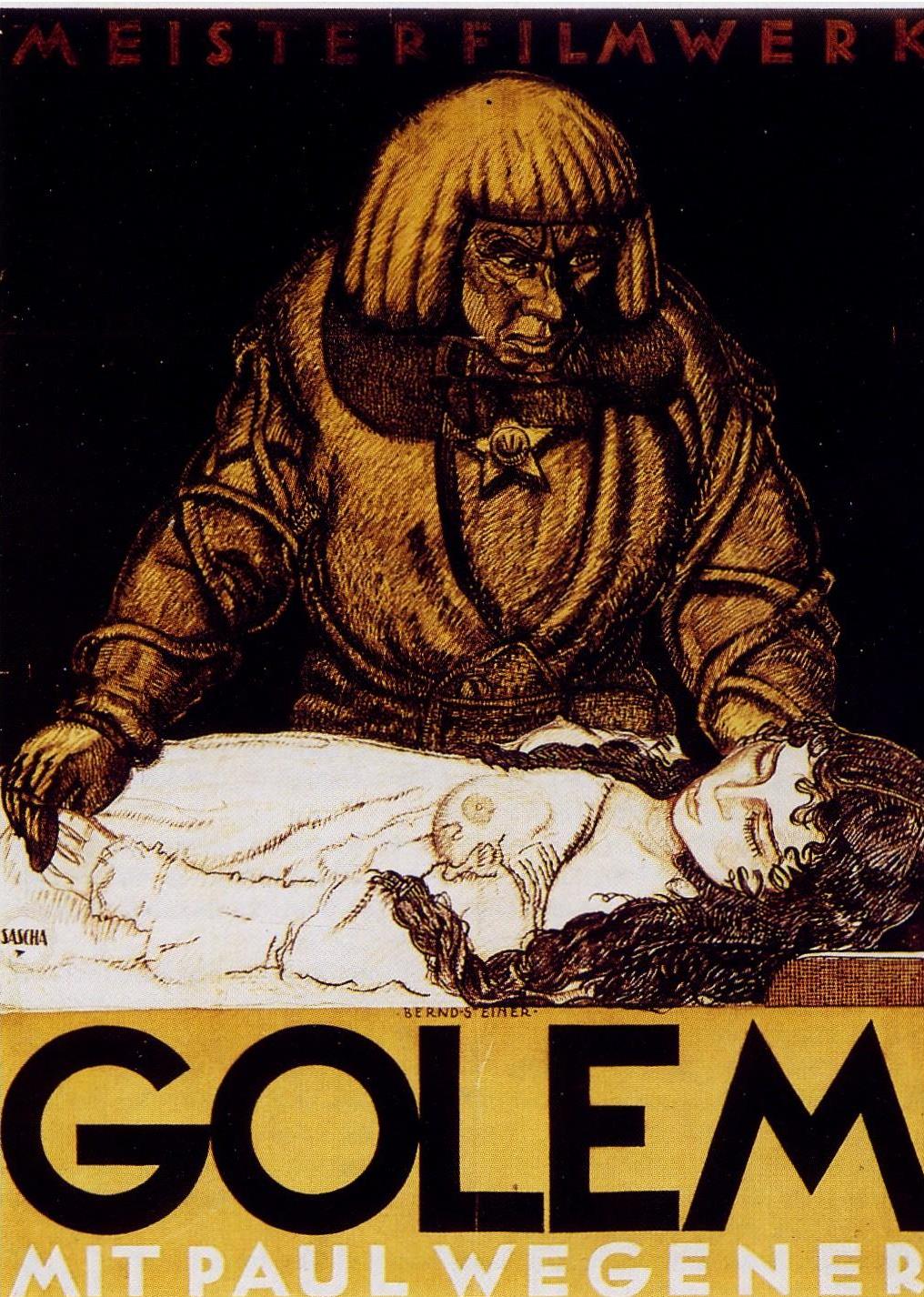
Classic silent film from the German Expressionist period in which a rabbi brings to life a creature made of clay (played by Paul Wegener), which then proceeds to go amok
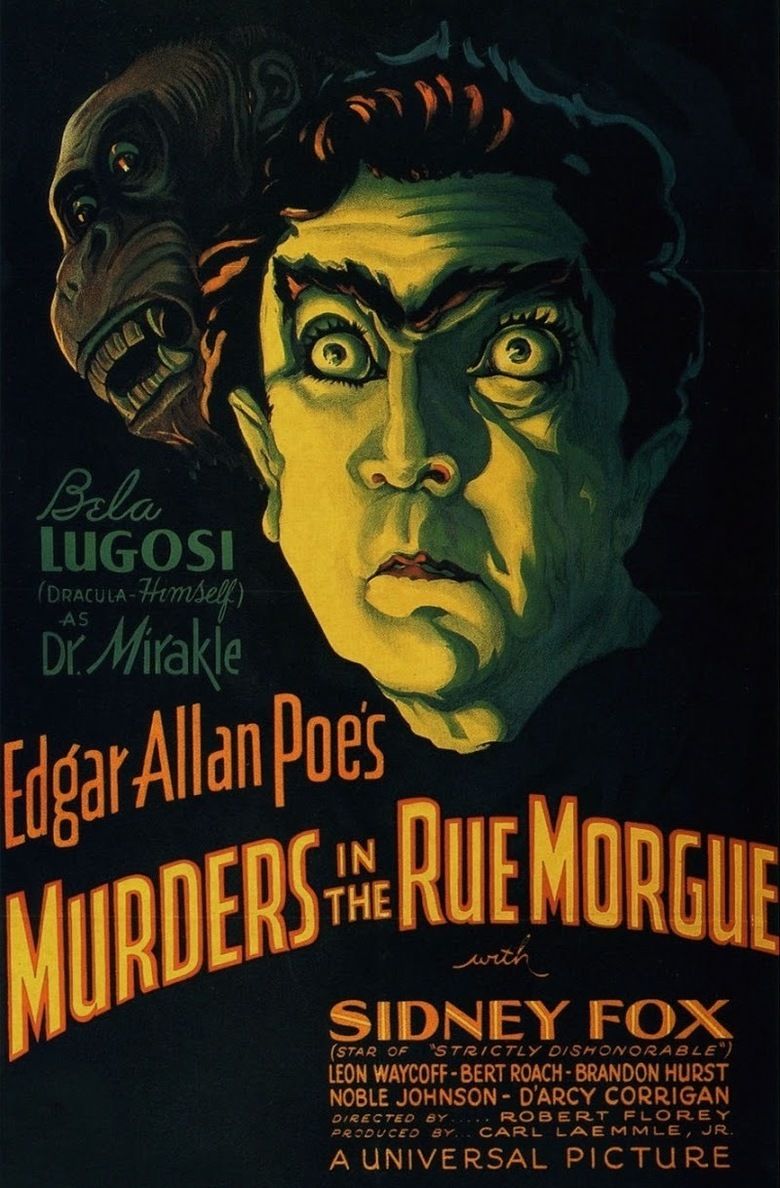
This throws out all of the Edgar Allan Poe story except for the title and the ape and instead makes a Bela Lugosi mad scientist film. An entertainingly lurid affair strongly influenced by German Expressionism
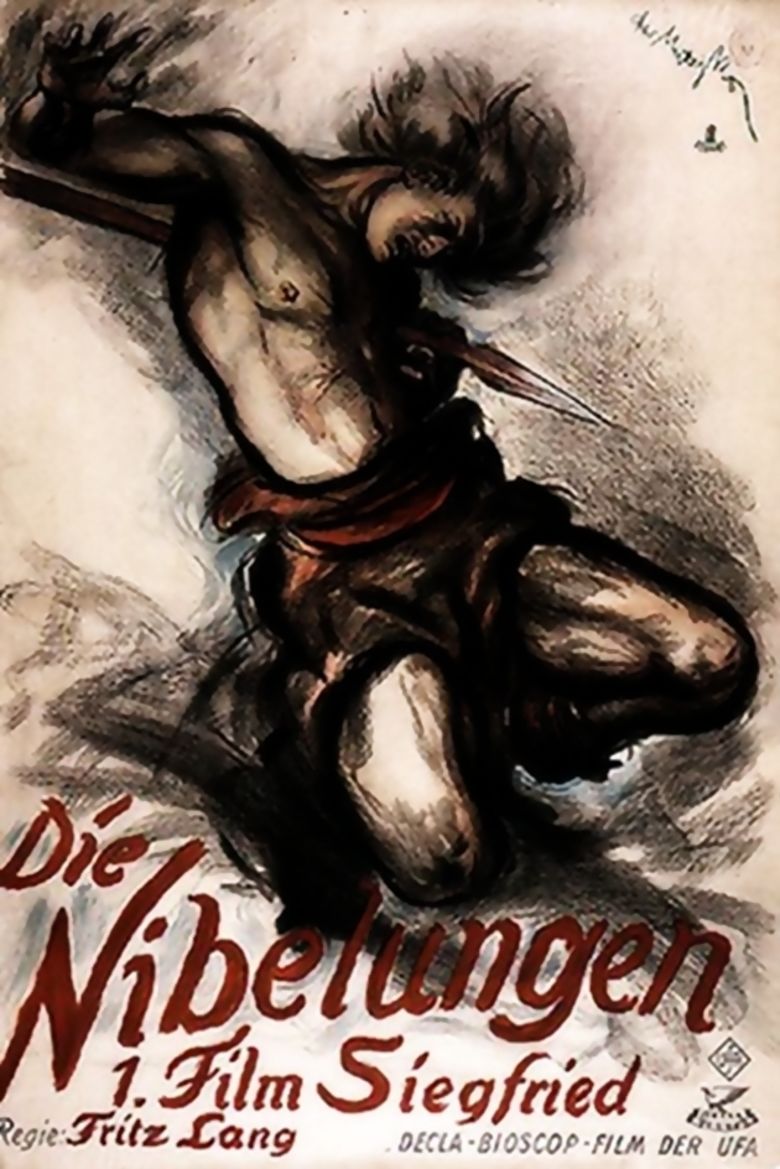
The first of a two-part silent Fritz Lang film based on the Teutonic legend. Lang directs with an epic visual majesty that rivals today’s Lord of the Rings films
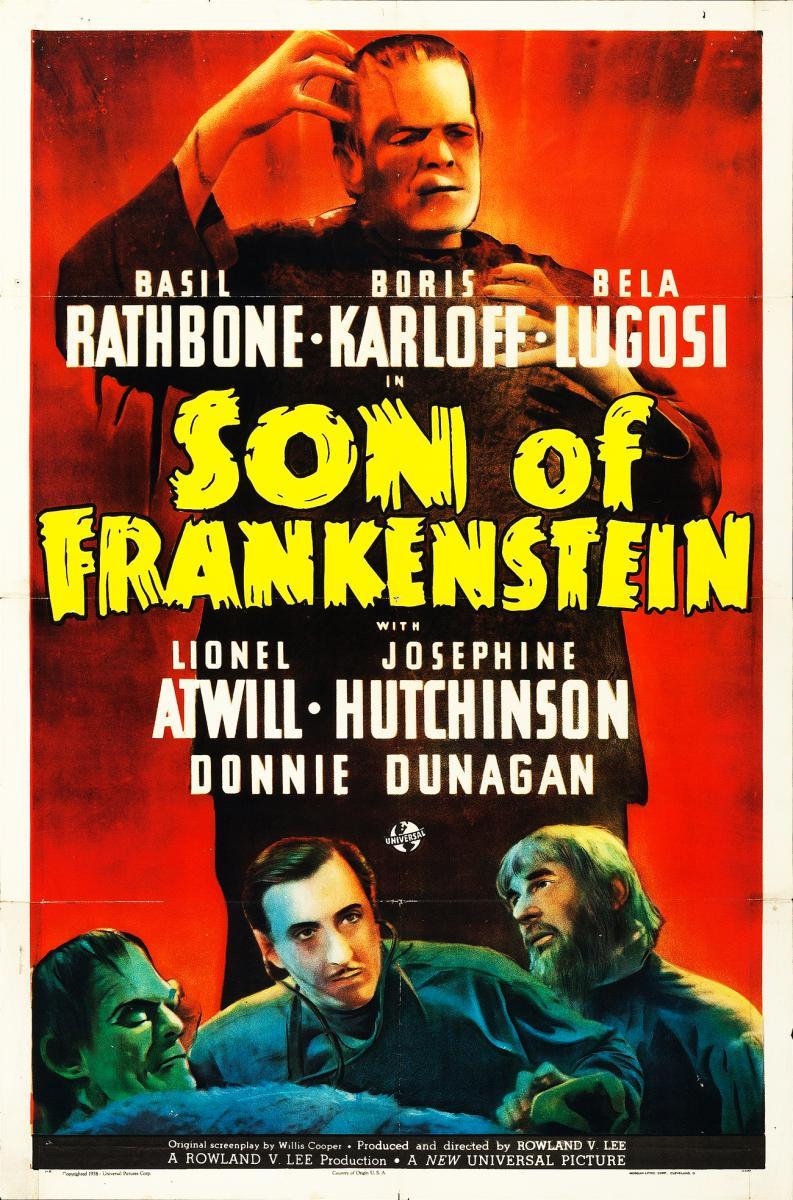
The third of Universal’s Frankenstein films, the last to feature Boris Karloff as the monster and the last good entry before the sequels became formulaic. Shot with the clear influence of German Expressionism, this is filled with memorable characters and some great performances
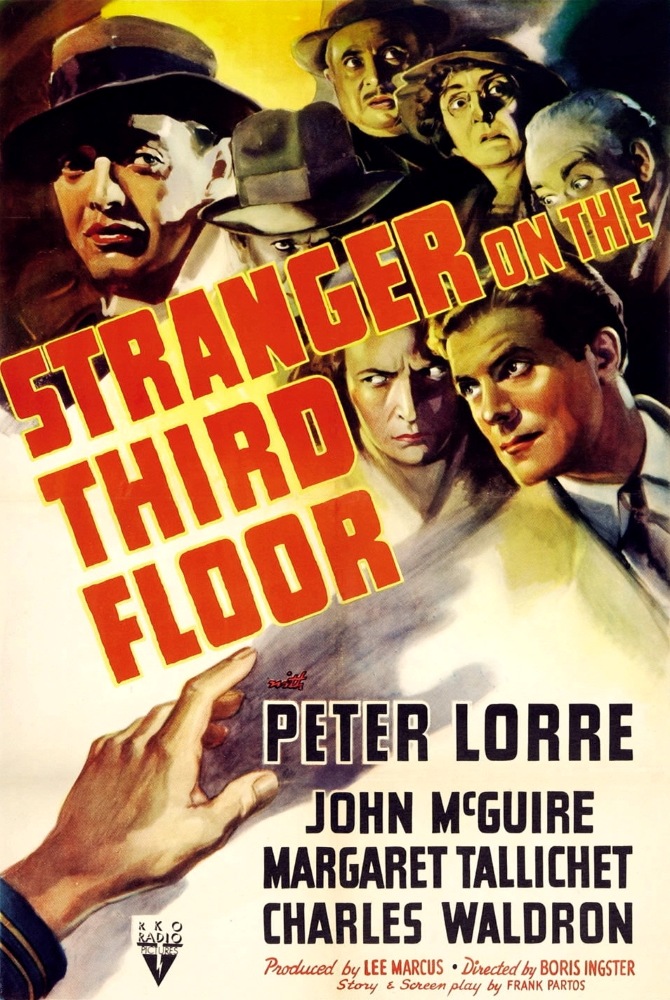
Cited as the first film noir, this is a fascinating psycho film about a man tormented by guilt over convicting the wrong man
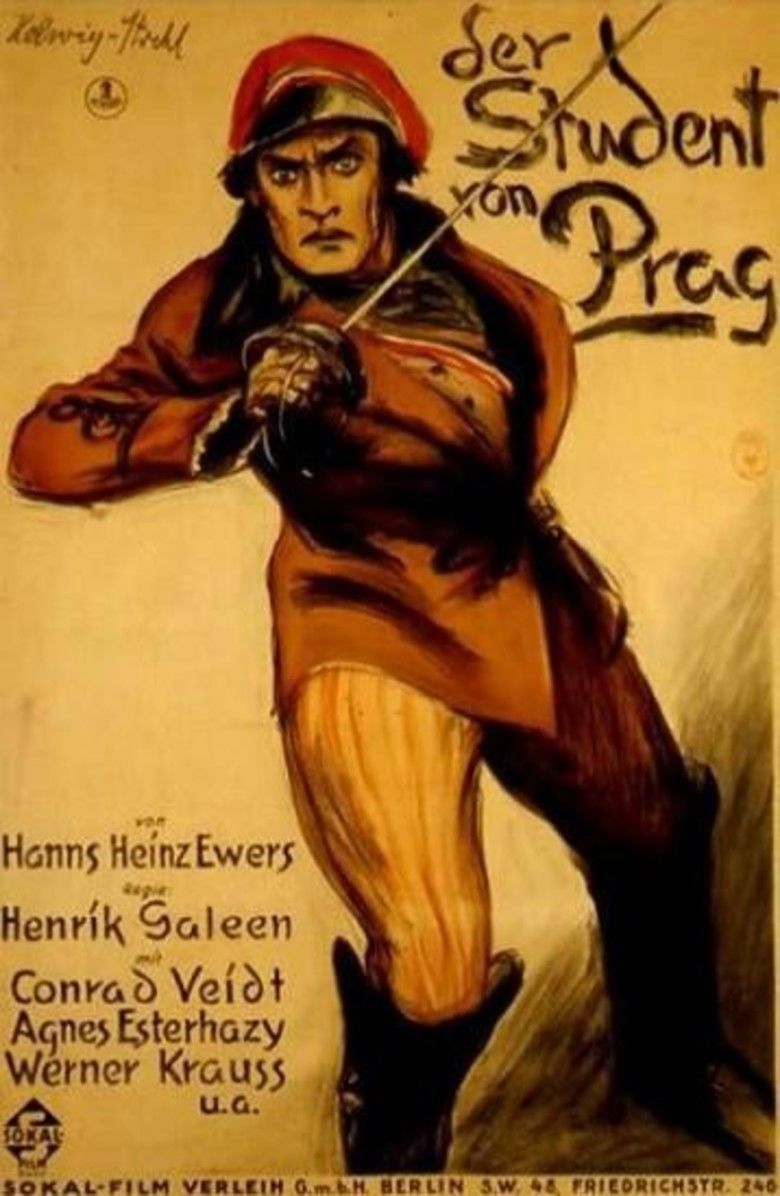
A classic of the German Expressionist era about a poor student who sells his shadow to The Devil, only to have it become a malevolent doppelganger. As with much of the work to emerge from this era, the film manages directorial effects that still look amazing today
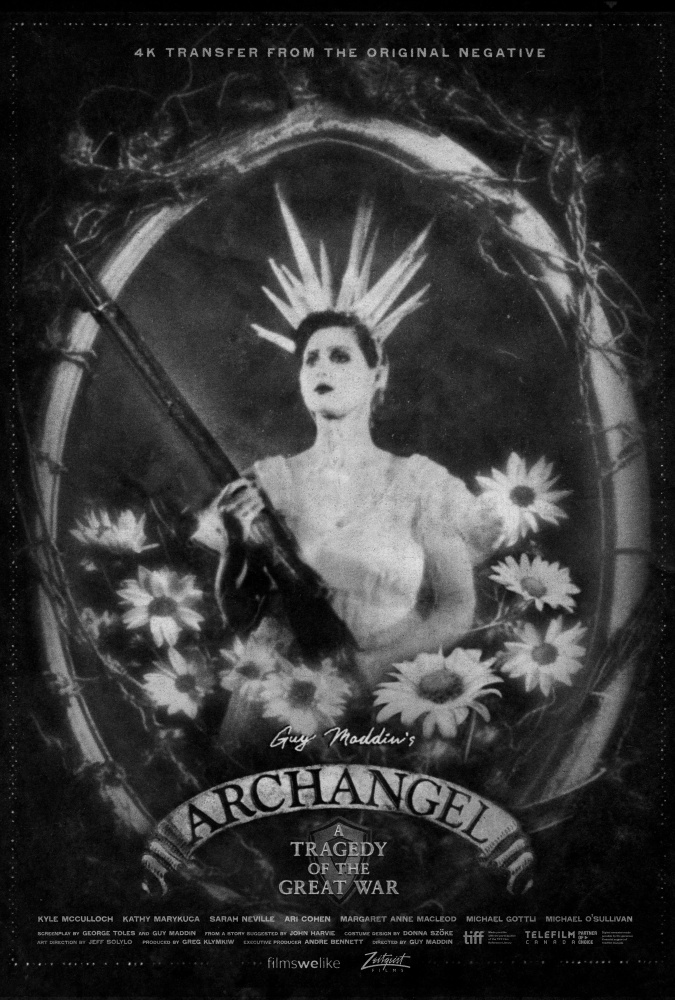
The second film from Guy Maddin, which comes with all of his familiar homages to German Expressionism and silent cinema, wrapped up in a surrealist plot of hilarious melodrama and side-splittingly deadpan dialogue
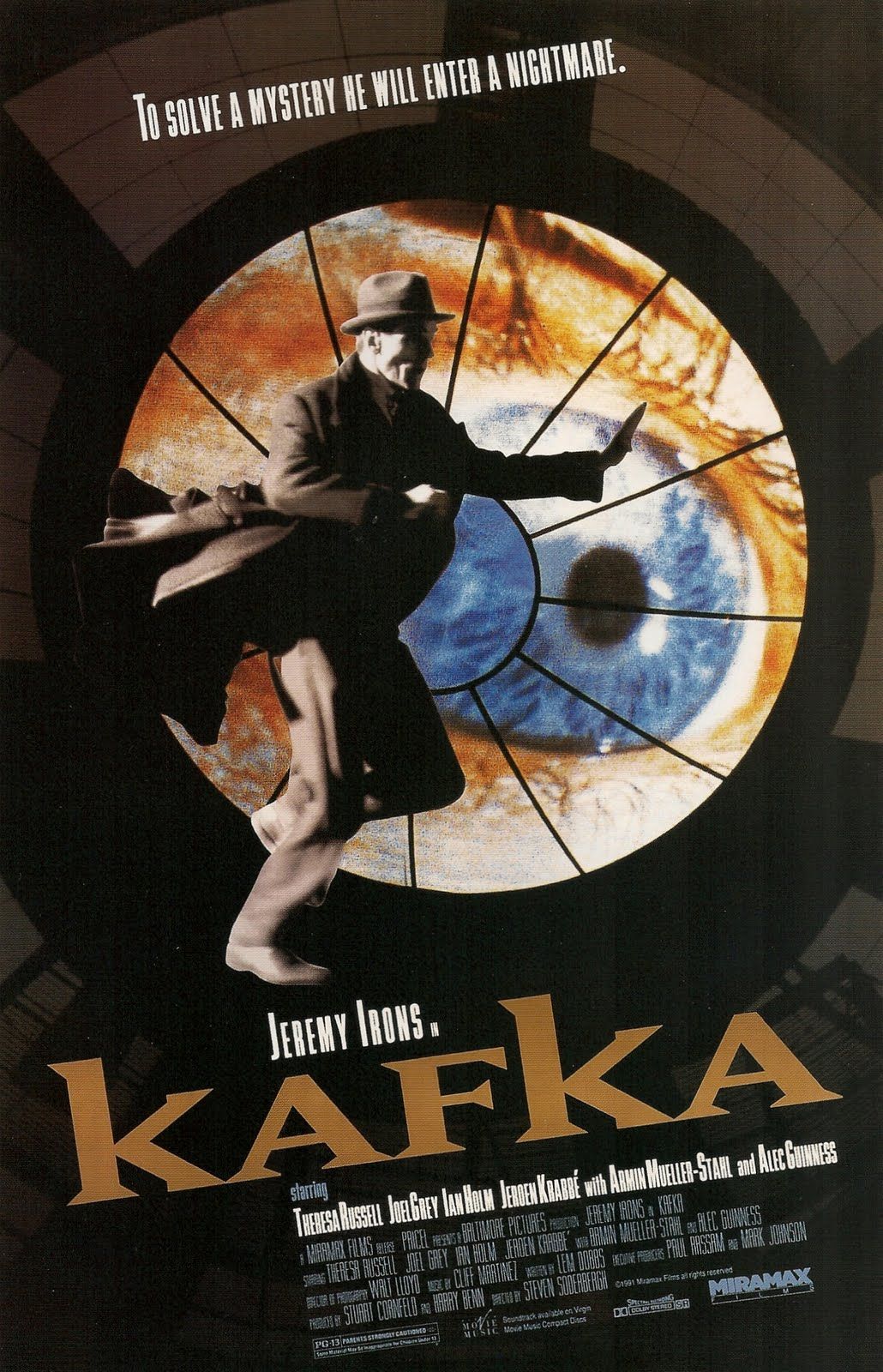
Steven Soderbergh’s second film was this flop pseudo-biopic that places Franz Kafka (Jeremy Irons) alongside mad scientist elements and German Expressionist homages but fails to find much of Kafka’s paranoid mood
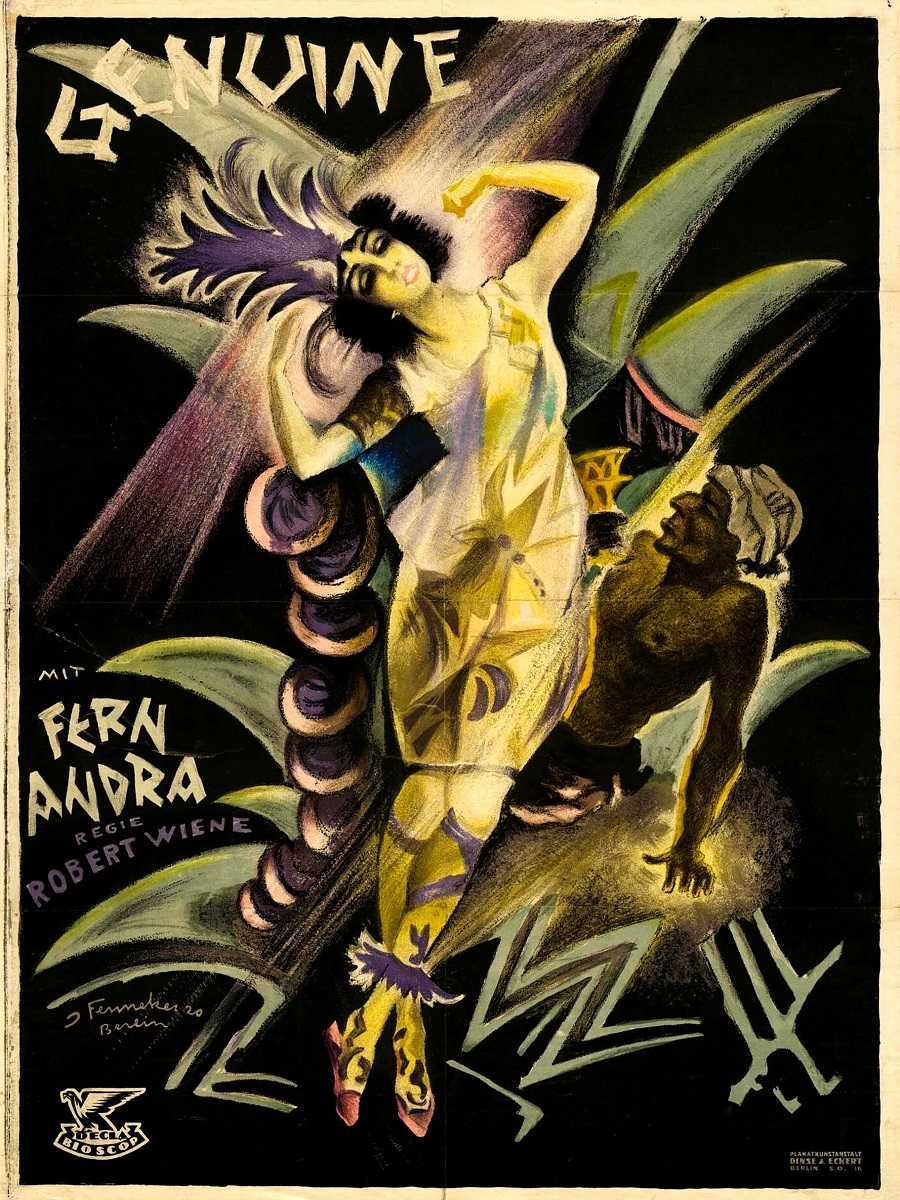
One of the lesser films made by the director of The Cabinet of Dr Caligari, Robert Wiene. Wiene employs the same stark angular sets and exaggerated shadows in the tale of a predatory femme fatale
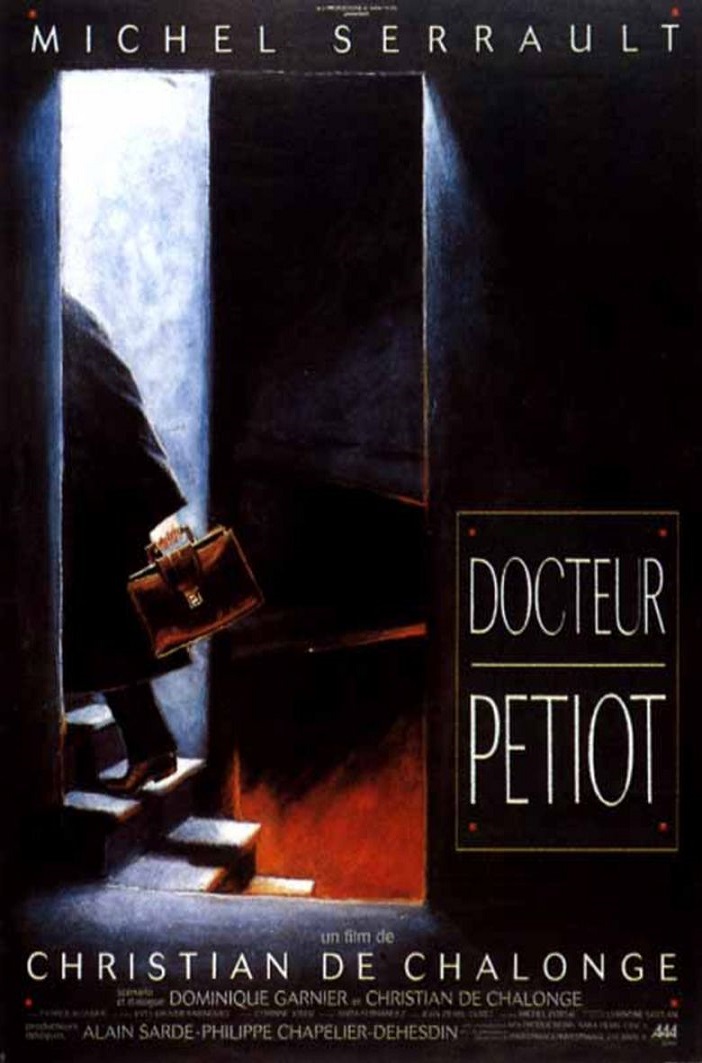
French film about true-life serial killer Marcel Petiot, a respectable doctor who operated a lifeline for Jewish refugees during WWII only to kill them
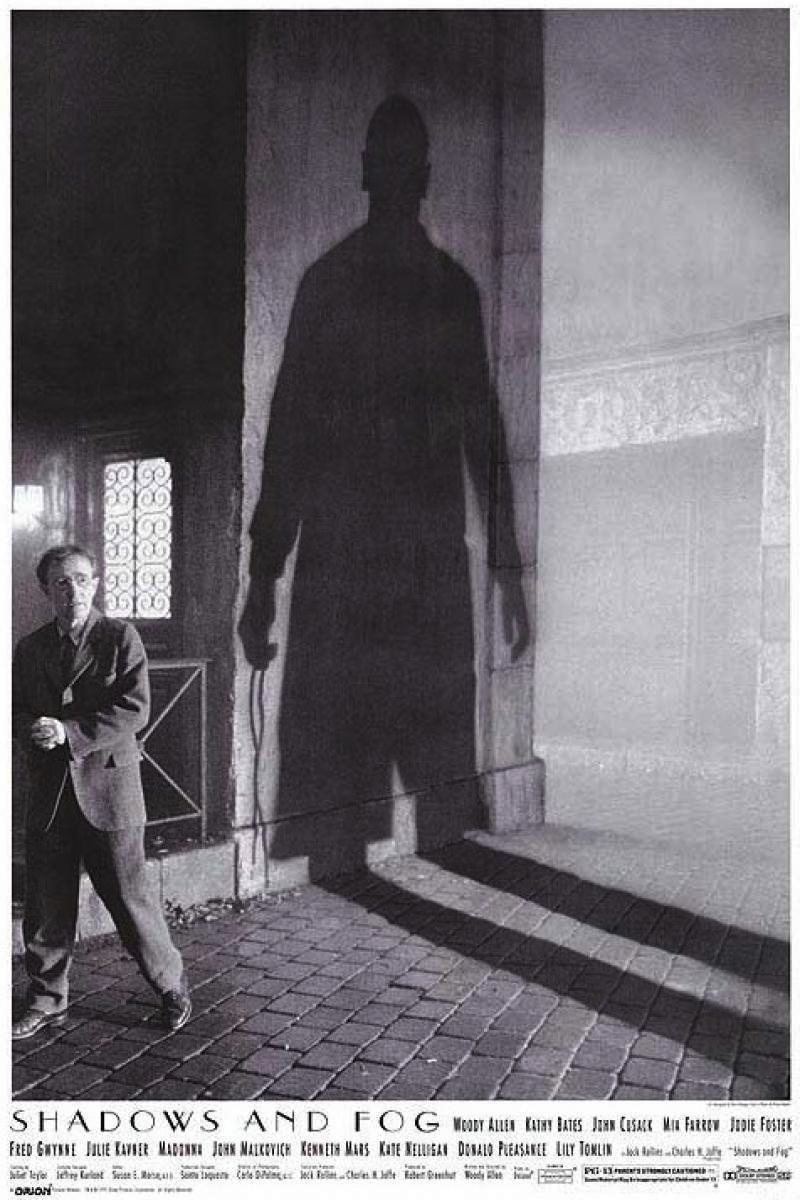
One of the not-quite-rans in Woody Allen’s oeuvre, a homage to Franz Kafka and German Expressionism with Allen as a mousy clerk caught up in the hunt for a strangler
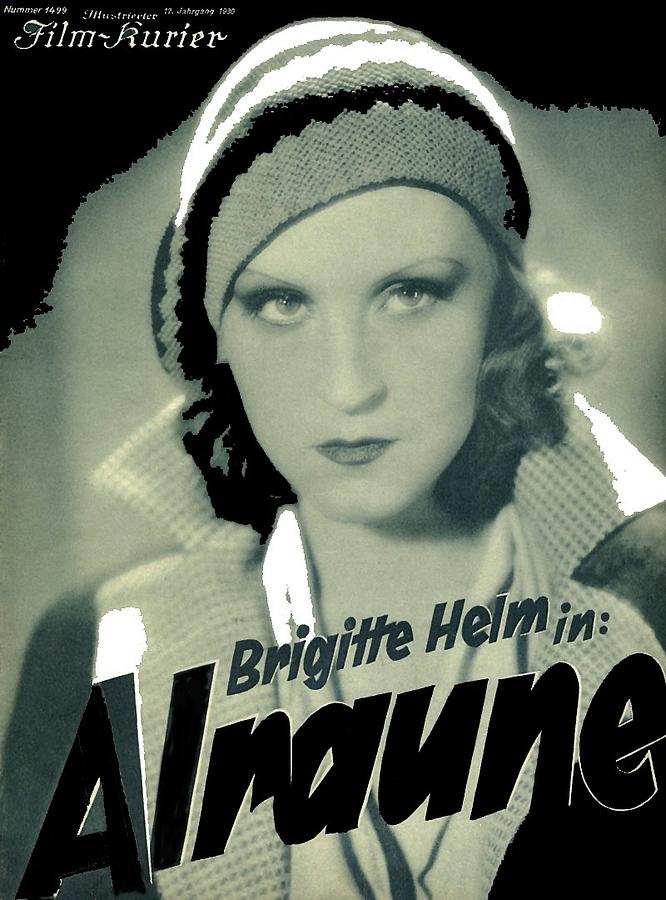
A classic German Expressionist film where Metropolis‘s Brigitte Helm gives a sizzlingly seductive performance as a woman born via artificial insemination who grows up as an emotionless man-eater