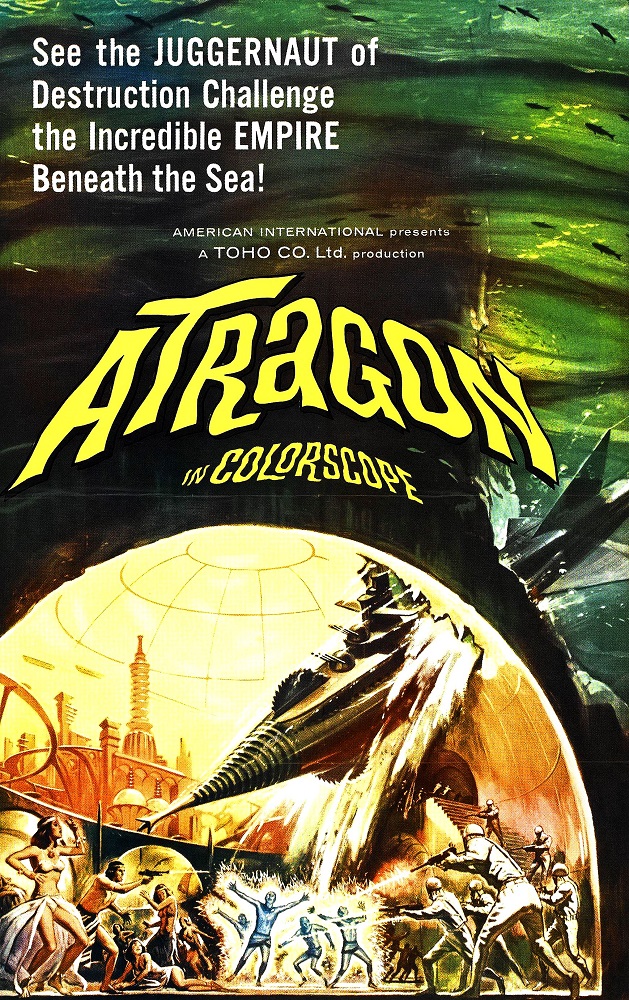
Atragon (1963)
Ishiro Honda, the director of Godzilla, makes a colourful dventure film about a super-submarine battling an undersea empire in the vein of other works of the era like Voyage to the Bottom of the Sea
The Science Fiction Horror and Fantasy Film Review
The Japanese monster movie (or Kaiju Eiga) began with Godzilla/Godzilla, King of the Monsters (1954). It has become its own genre niche since then with the studio Toho producing over 30 Godzilla films sequels. These range between efforts where Godzilla is a monster to in essence a superhero defending the country from other monsters, between serious efforts and juvenile efforts pitched to children, between live-action and animation.
Toho produced other monster movies too and then began to pit the monsters against one another in on-screen battles. Godzilla moved from rampaging aggressor to a heroic defender of Japan in his fifth film during the 1960s. The Godzilla series spawned other imitators such as rival studio Daiei’s long-running Gamera series.
Since the mid-1980s, both the Godzilla and Gamera series has undergone various overhauls and effort to rework the monsters with animatronic and CGI effects. There have also been efforts from other countries like South Korea’s Yongary films and several attempts to remake the Godzilla film for English language audiences.
Ishiro Honda, the director of Godzilla, makes a colourful dventure film about a super-submarine battling an undersea empire in the vein of other works of the era like Voyage to the Bottom of the Sea
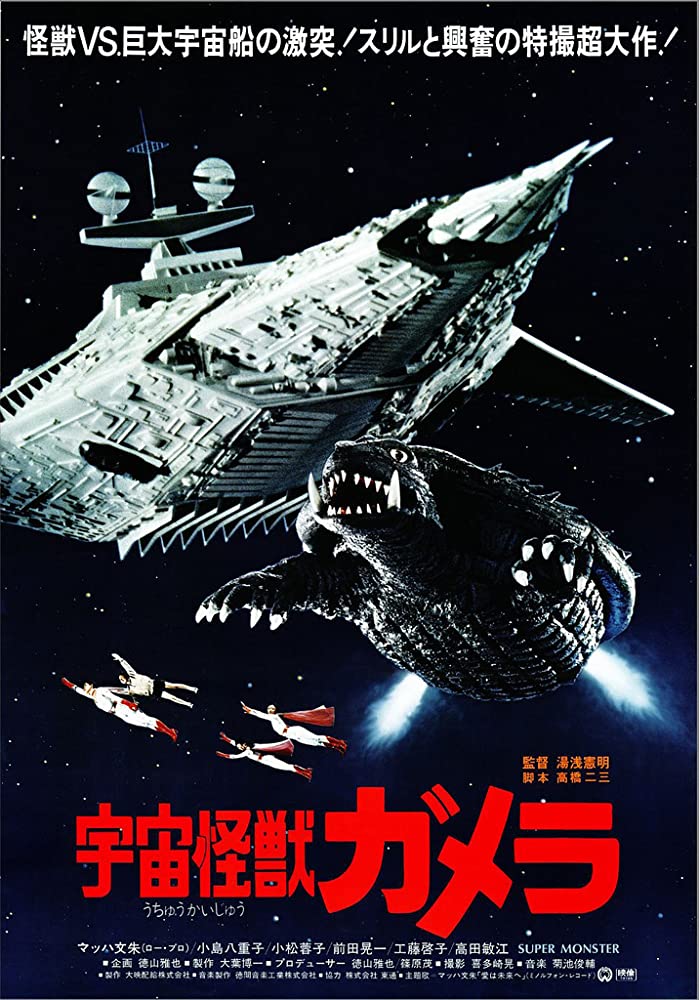
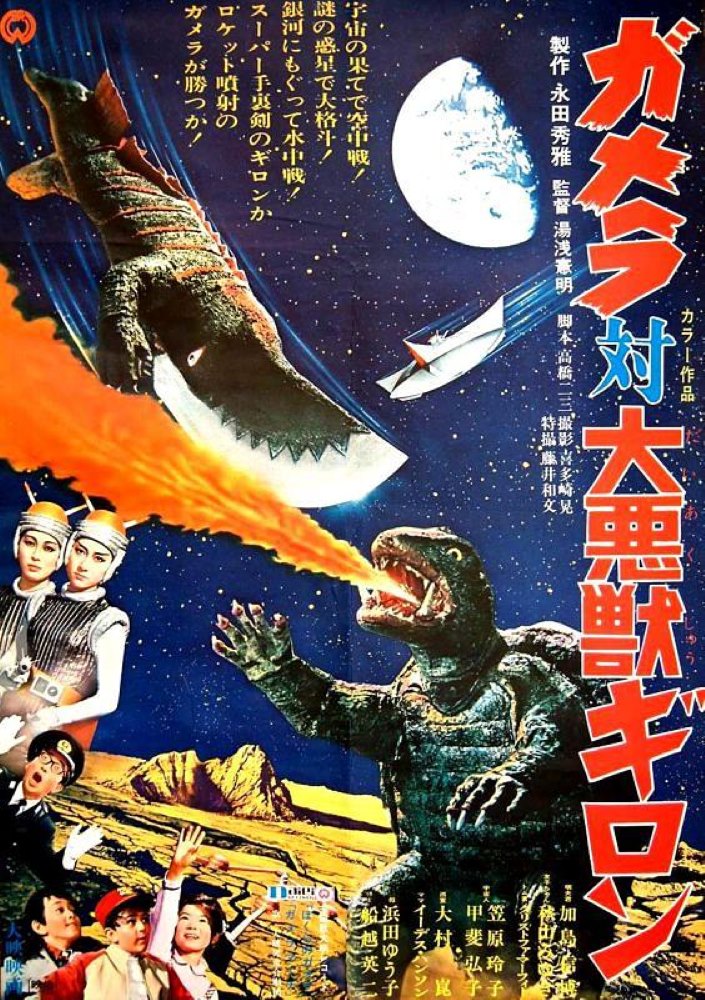
The fifth of the Gamera films, Japanese monster movies that are made for children. This abandons the relative realism of the earlier films for a colourful silliness with frequently lunatic results
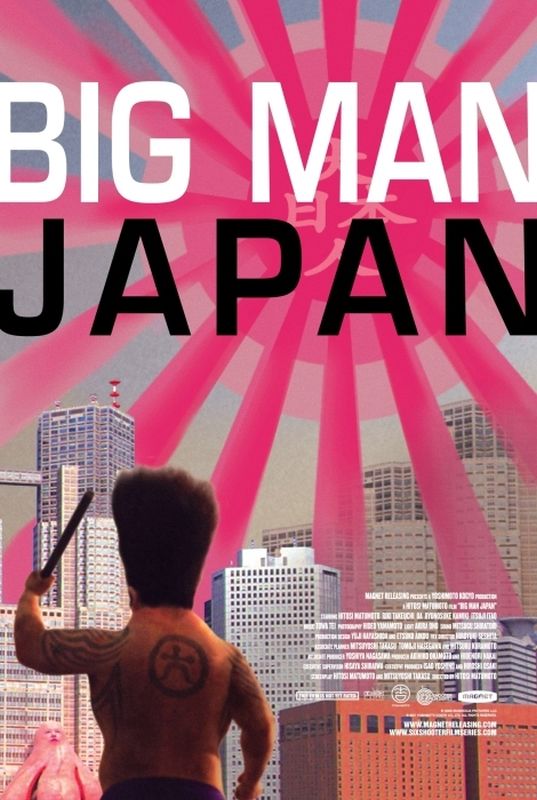
A bizarre Japanese about a documentary crew who make a film about a man who becomes a giant-sized superhero to fight off giant rubber monsters
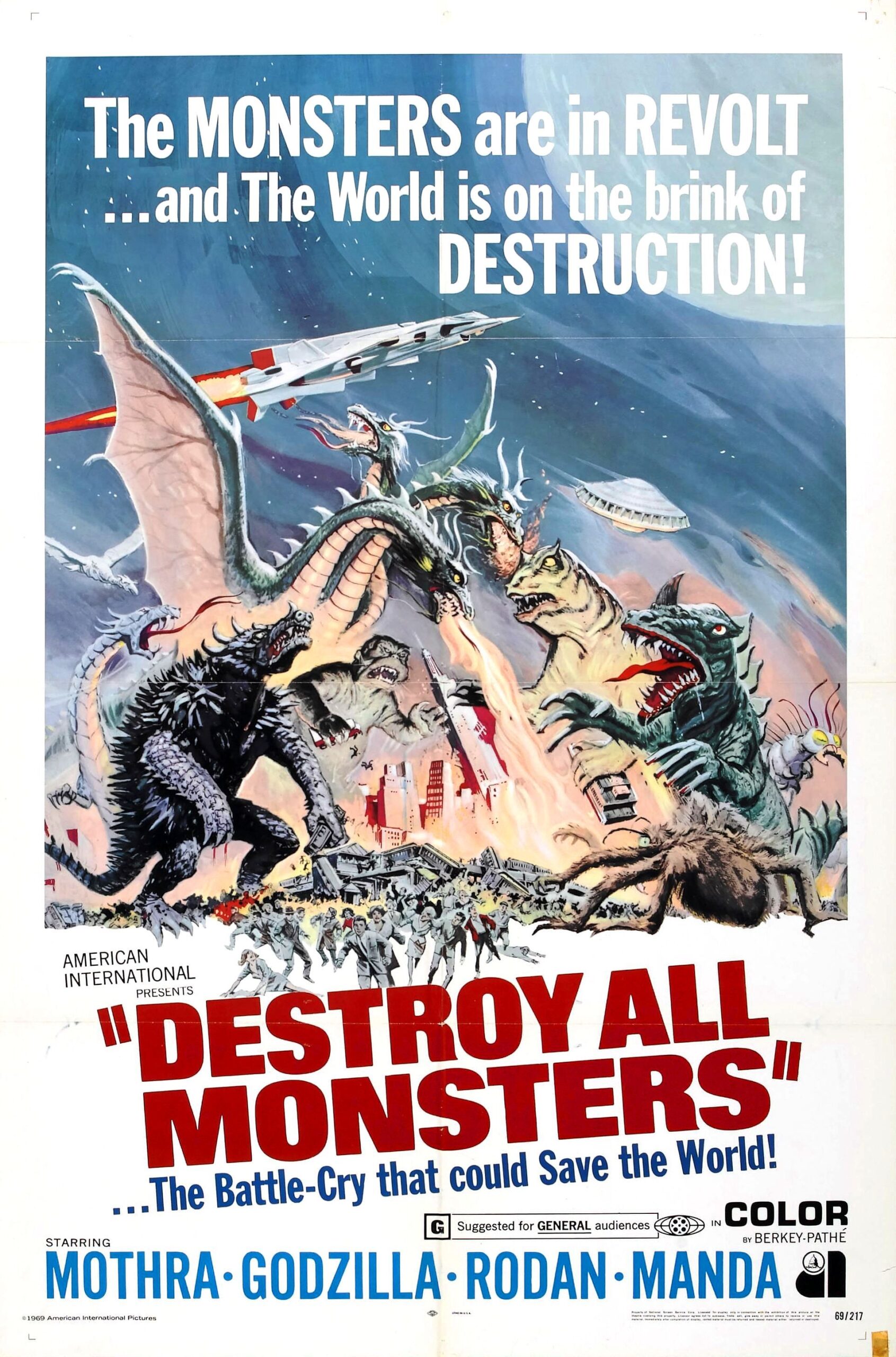
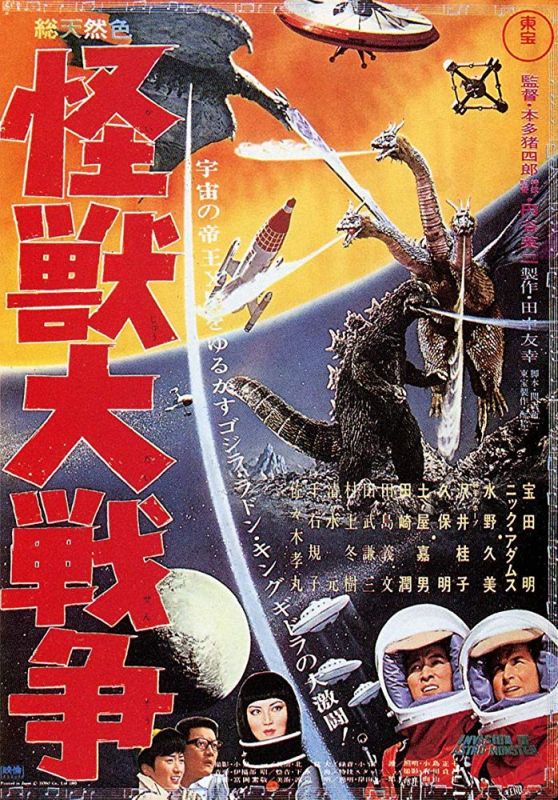
The 20th Toho monster movie where the studio decided to gather Godzilla and all the other monsters under their roof together for a massive tag team brawl. Disappointingly, the monsters are upstaged by space opera elements for long sections
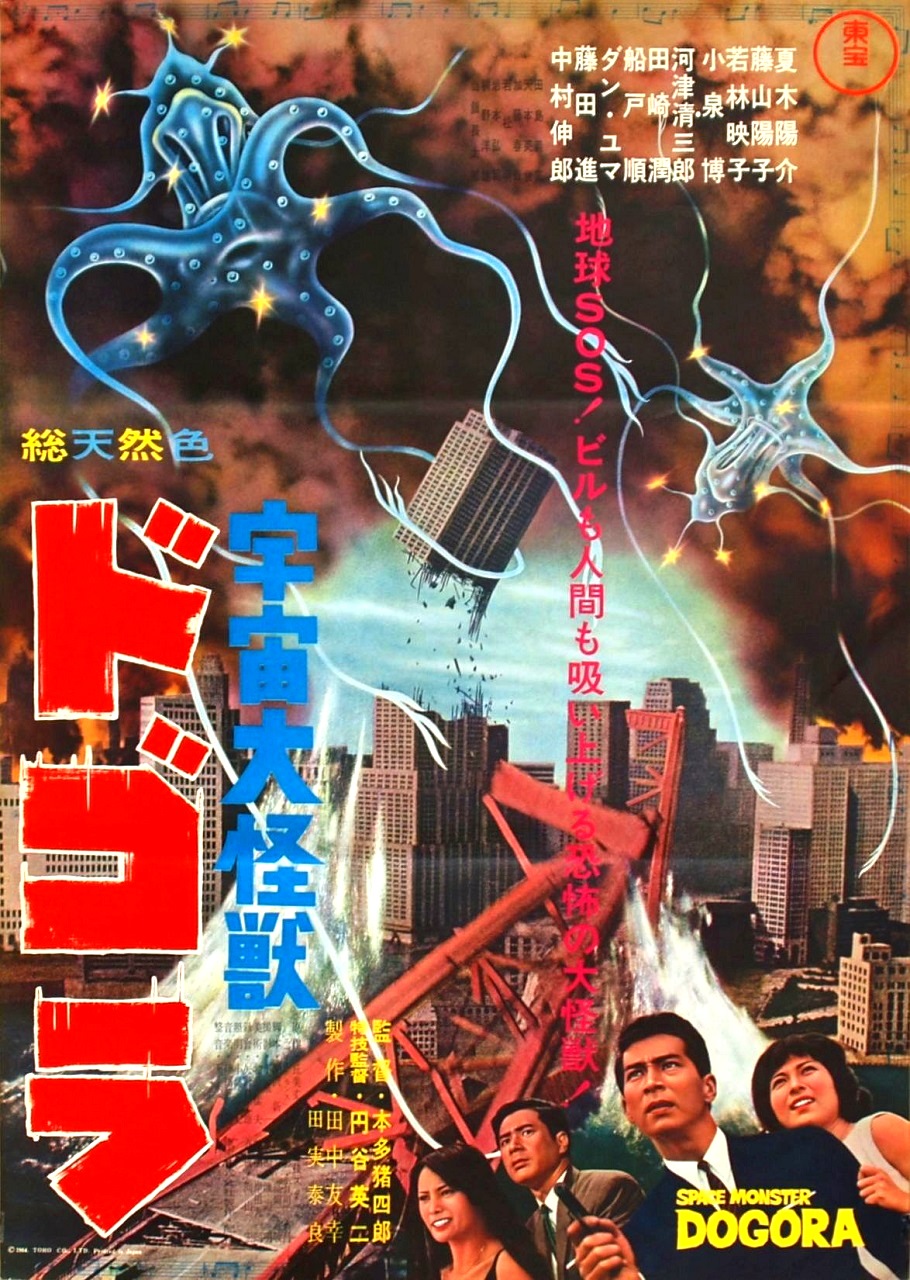
Japanese monster movie from Godzilla’s creator Ishiro Honda about a giant alien blob that appears in the sky and sucks up coal and diamonds
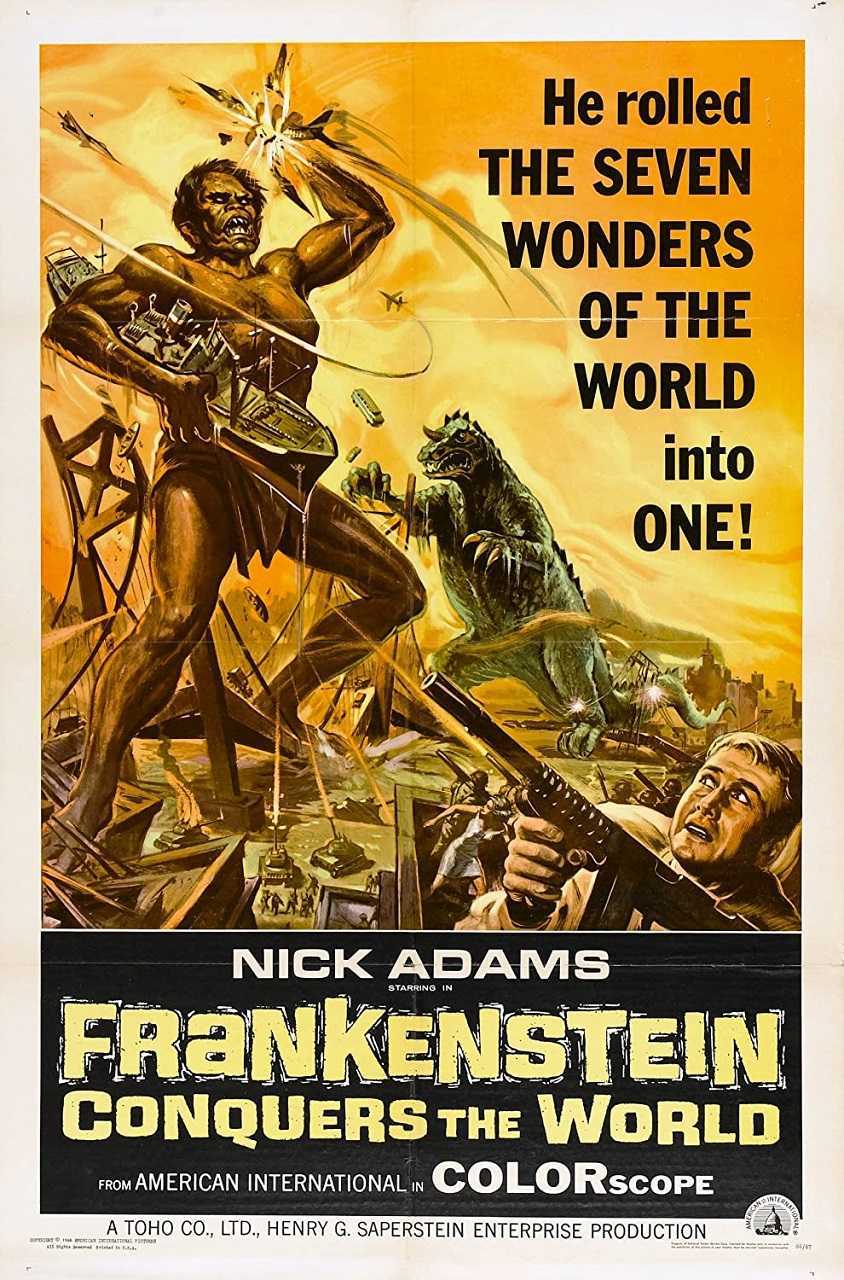
One of the strangest of Japanese monster movies in which the heart of the Frankenstein monster is caught in the Hiroshima atomic blast and grows into a giant boy
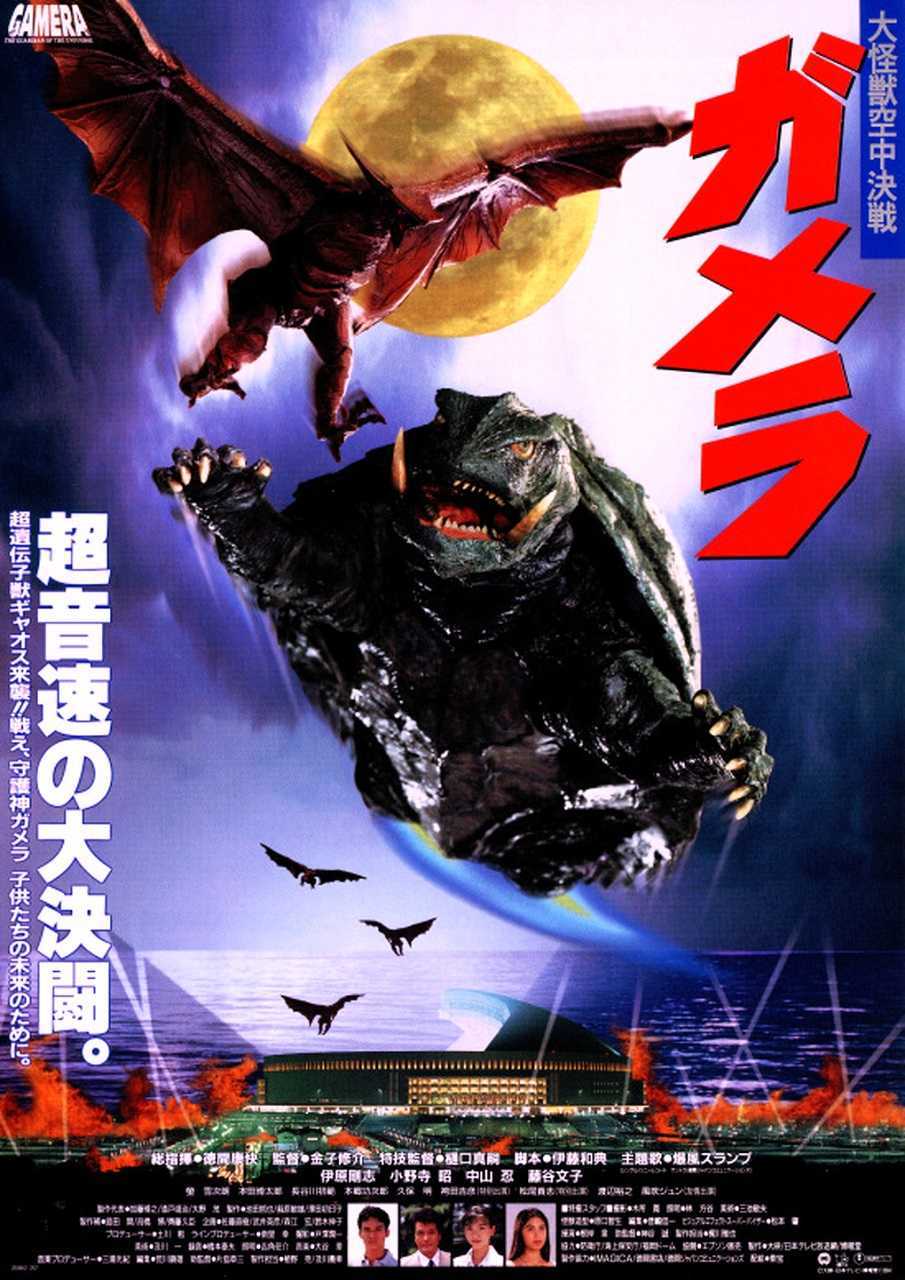
Shusuke Kaneko did extraordinary things in revitalising the Japanese monster movie in the 1990s with his trilogy of Gamera films. This was the second of them, usually seen as the weakest of the trilogy
Extraordinary reworking of the Japanese kaiju series with stunning CGI effects sequences. This set a new standard and is among the best of the modern Japanese monster movies
This is possibly the worst Kaiju film ever made – produced by a bankrupt company in order to recoup losses, it has been cheaply slung together by rehashing footage from the other Gamera films
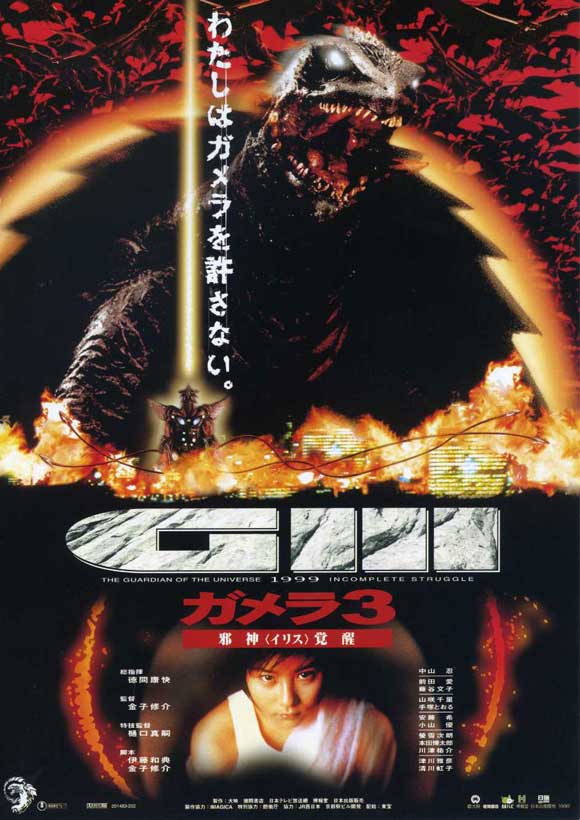
Here Shusuke Kaneko revived the Gamera series of the 1960s/70s with a series of stunning effects. The result promptly set a new standard for the Japanese monster movie
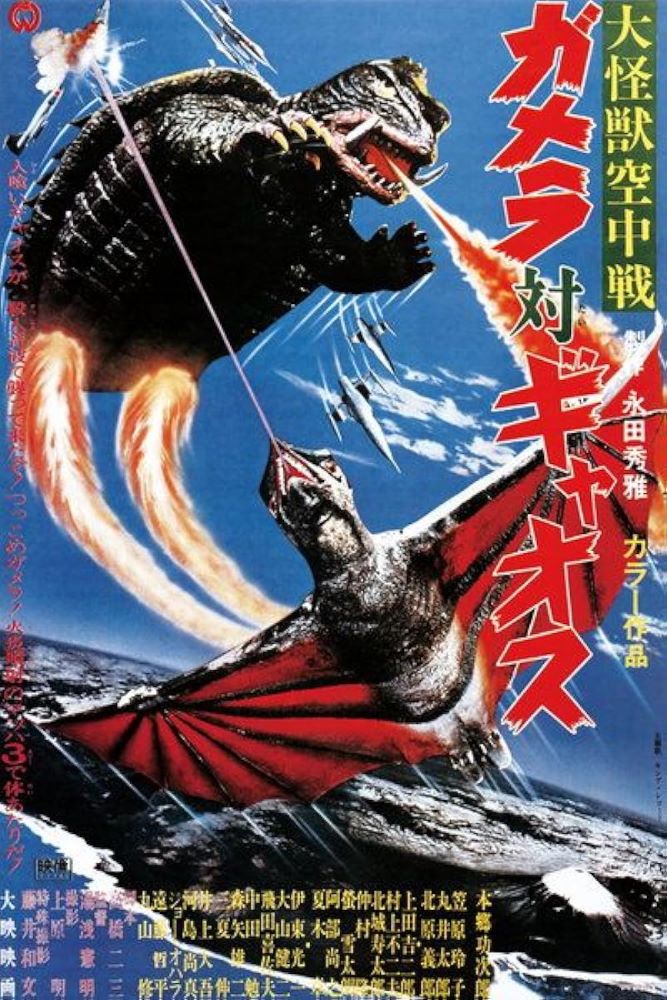
The 1960s Gamera films were always a copy of the Godzilla films, aimed at a more juvenile level and with crappier effects. This was the second of them, somewhat better produced than the others and taking proceedings seriously
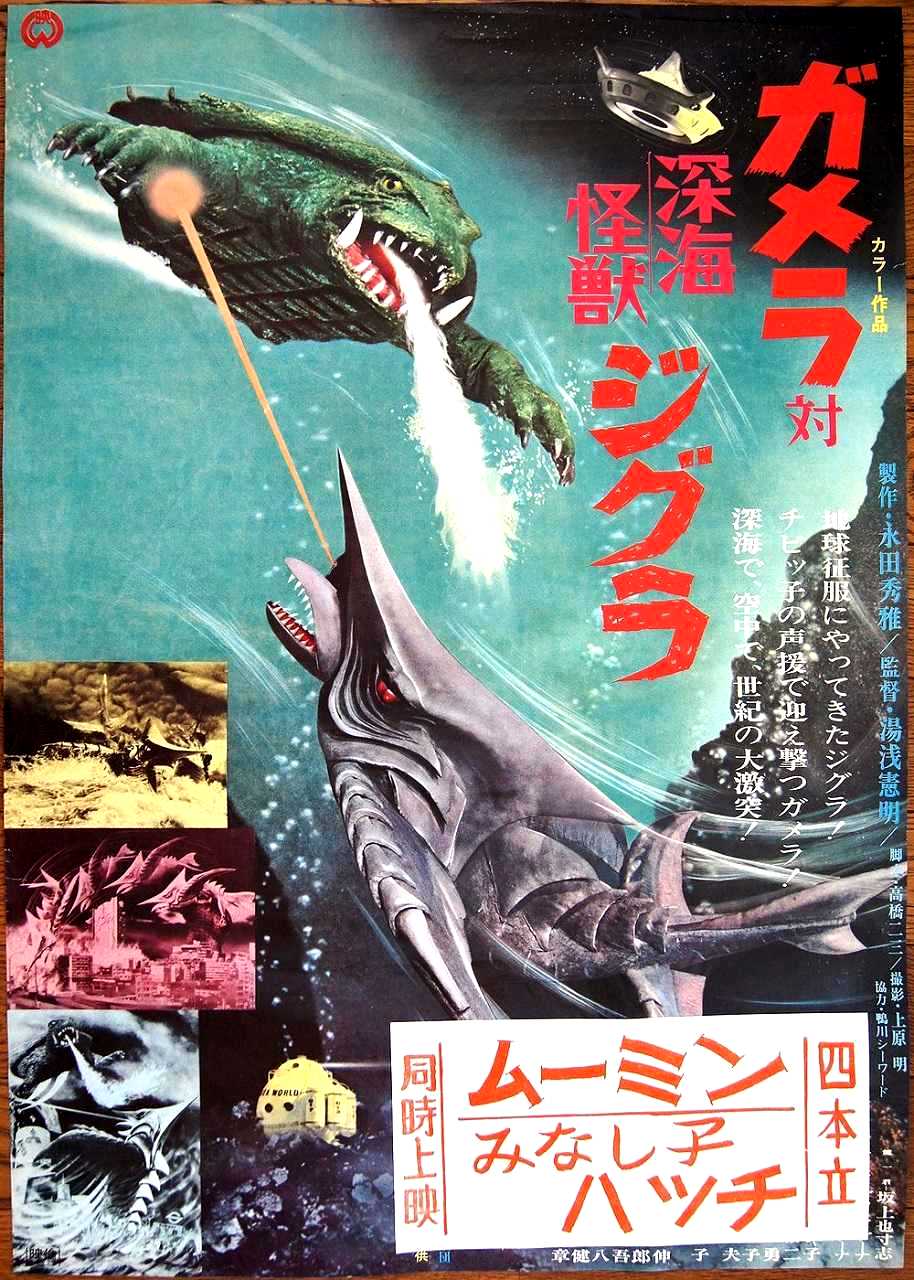
The third of Daiei’s 1960s Gamera films, this takes the series back into children’s movie territory. Some moments of goofy silliness and variable effects ensue
The fifth of the 1960s Gamera films. This comes with inane plotting, sub-par effects and silly monster fight scenes, even a plot stolen from Fantastic Voyage about a submarine journey into the monster’s body
This was the seventh of the 1960s Gamera films and one of the worst of the series. By now, the film is pitched entirely to juvenile audiences, while the effects are pitiful
This was made as a copy of the Godzilla films by rival studio Daiei. This was sufficiently successful that it too spawned a long-running series of sequels and monster bashes
This was a fairly crappy and terrible Japanese monster movie from a rival company seeking to copy the success of Toho’s Godzilla films
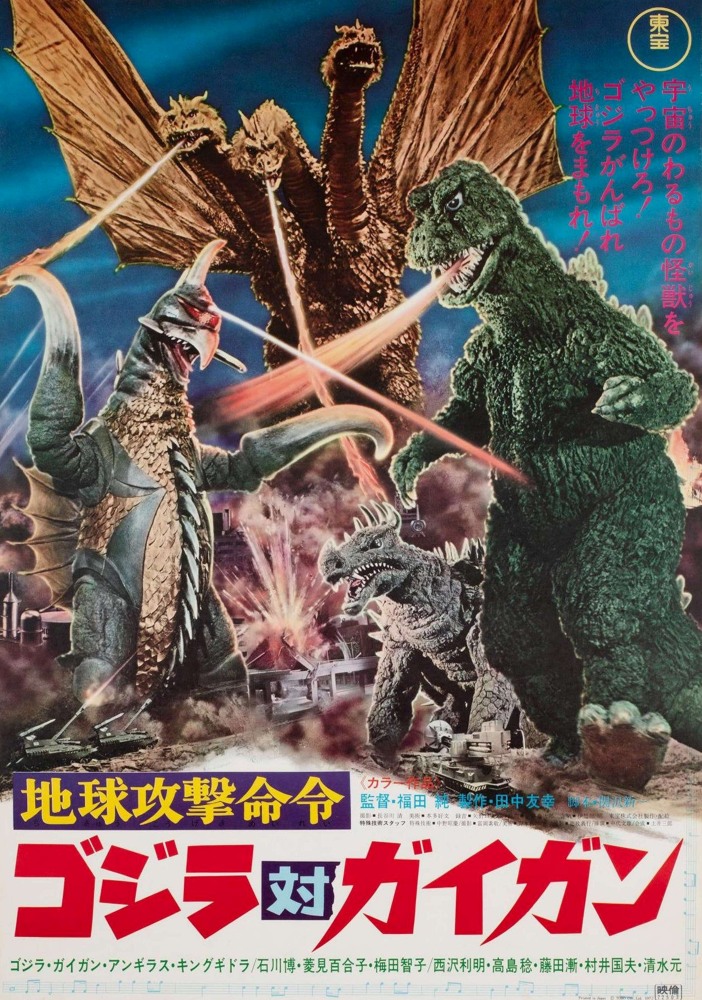
The fifth Godzilla film, the point where Godzilla becomes a good guy. The best Godzilla film from this period with the effects team operating at the peak of their game
Reboot of the Godzilla series that forgets about all the sequels and acts as a direct follow-up to the original film. This uses top drawer effects technology of the era to create Godzilla as the fearsome creation he originally was
The 23rd Godzilla film where the effects were at such a peak for the genre that this became the first Godzilla film to be given a US theatrical release in fifteen years
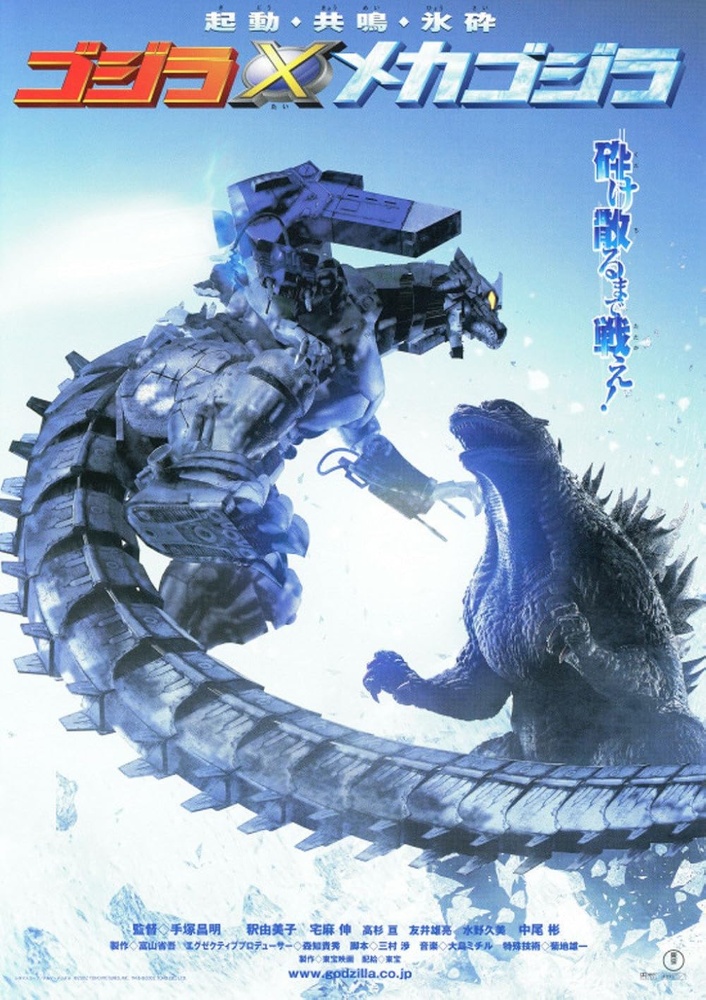
The 26th Japanese Godzilla film, the fourth pitting him against Mechagodzilla. After a slow first hour, the film finally delivers all the exhilarating mass destruction sequences we expect of it as the two monsters go head to head
The 19th Godzilla film, part of the 1990s revival where the series started to employ modern animatronics. This revives Mothra in quite beautiful ways and mounts to a rousing monster battle
The second of the anime Godzilla films and a much more successful film than its predecessor. The reconceptions of some of the classic monsters has a dazzling ambitiousness while Godzilla appears with all the ferocity it should have had in the first film
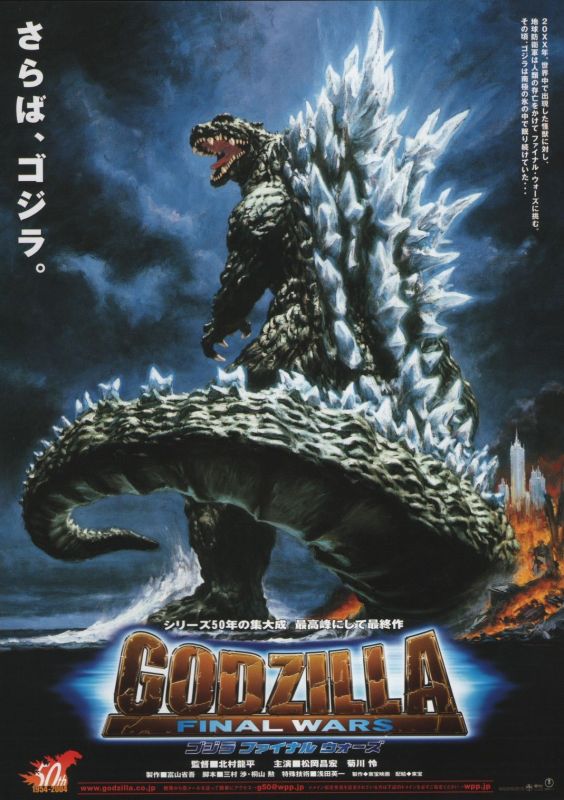
The 28th Godzilla film, made for the series fiftieth anniversary and bringing every monster ever created by Toho together for a massive battle. The results are immensely satisfying
The very first Godzilla film. Essentially a copy of The Beast from 20,000 Fathoms, it has incredibly stark effect despite primitiveness effects. In it you can see Japanese nation struggling to expiate the pain of the Atomic Bomb.
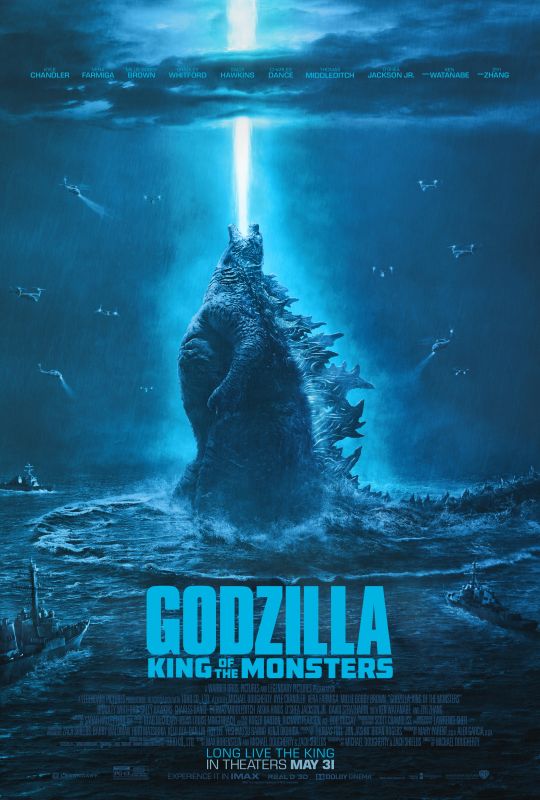
Follow-up to the 2014 US-made Godzilla. This introduces other monsters from the Japanese series and tries to create a shared universe. However, when the film is all massively-scaled mass destruction, it seems hard to root for the monsters
The 33rd Japanese Godzilla film and the one to receive the greatest acclaim of any in the series so far, including the Academy Award for Best Visual Effects. This takes the series back to the beginnings
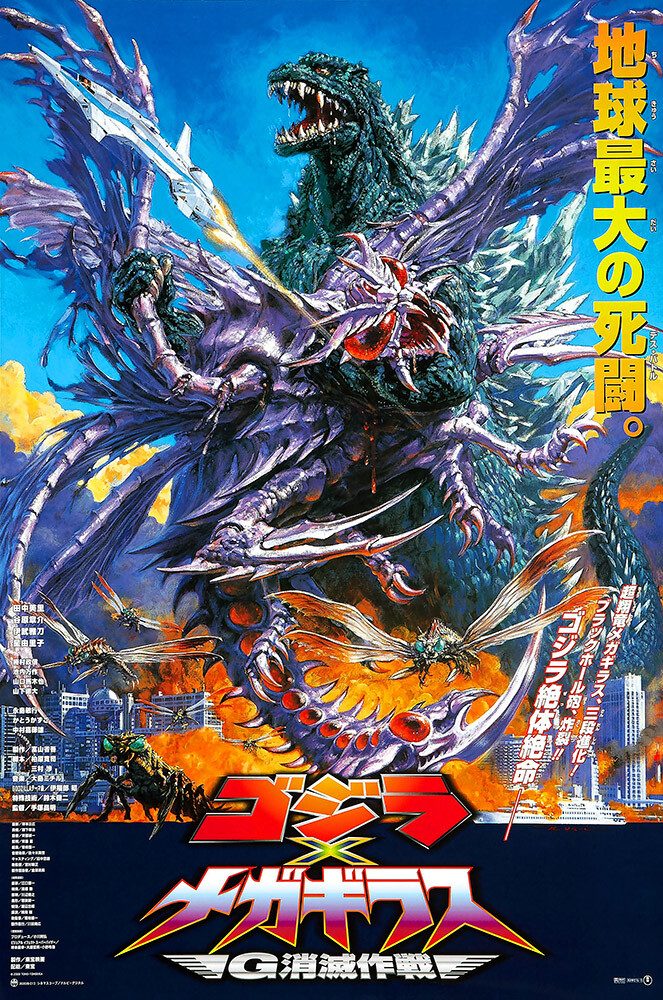
The 25th Godzilla film in which Toho employed director Shusuke Kaneko who had done amazing things in reviving Daiei’s Gamera franchise. Kaneko doesn’t quite deliver the epic expected of him but does produce an amazing effects spectacle
The 30th Japanese Godzilla film, this is the first anime Godzilla film and the first in a trilogy. More disappointingly, it is more a space opera and planetary adventure than it is ever a Godzilla film
The concluding chapter in the trilogy of Godzilla anime films. This reintroduces two familiar monsters but takes a long time to build to the monster bash we have come to see
The 17th Godzilla film and the second of the modern era where Toho started to employ top drawer effects. Toho created a new nemesis, the plant monster Biollante, although this was not popular with the public
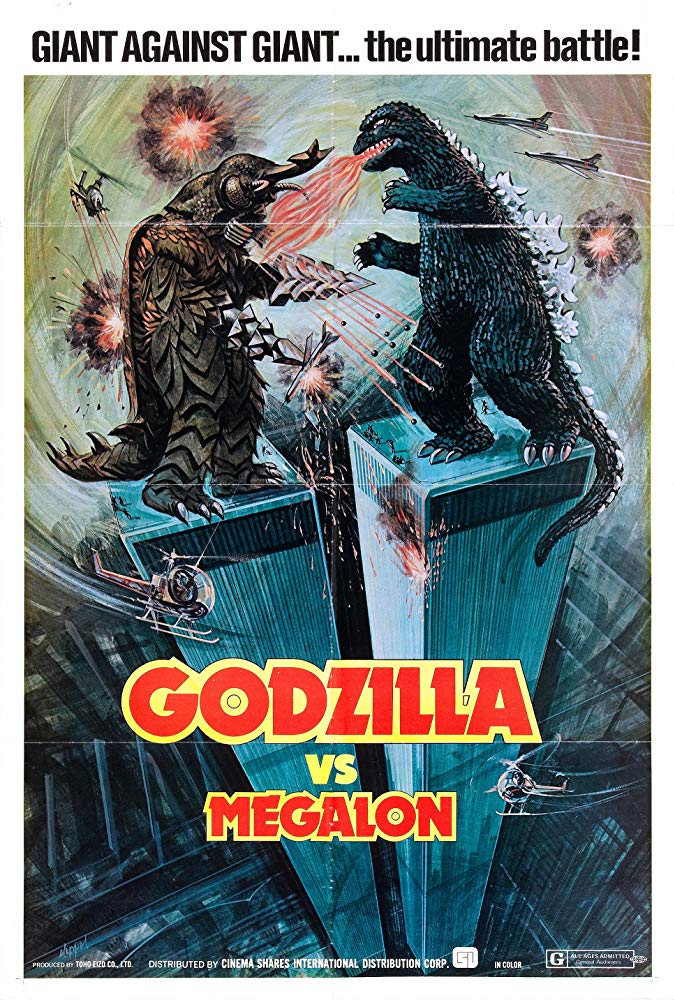
The twelfth Godzilla film and under director Jun Fukuda a juvenile inanity had by now come to dominate the series. The special effects, often recycled from previous films, are very cheesy
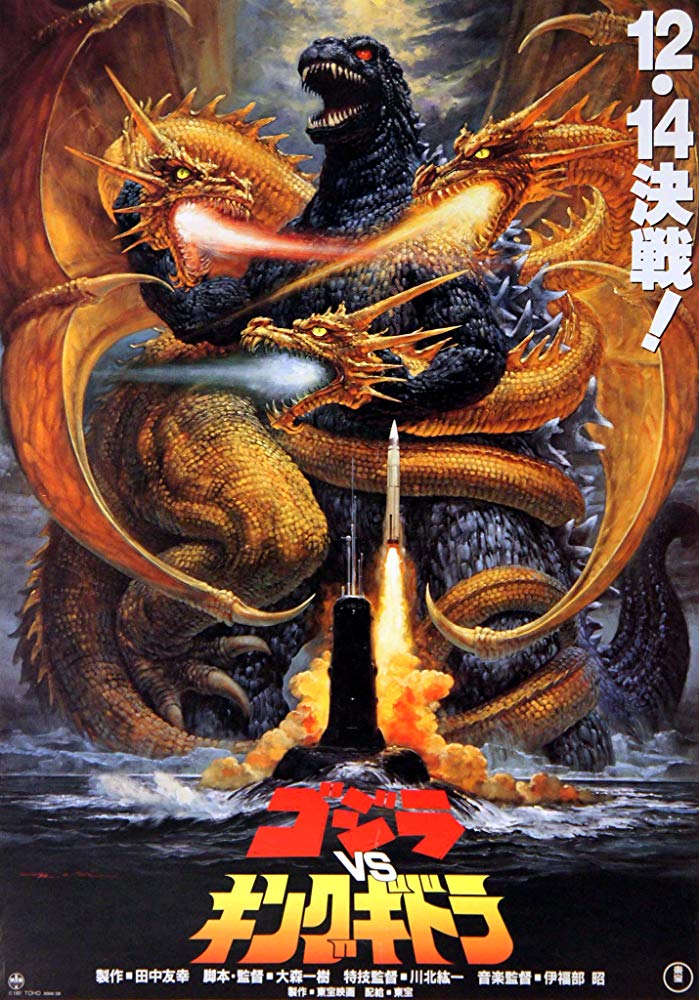
The eighteenth Godzilla film and one of the best of the modern era, this has the most conceptually audacious plot of any Godzilla film and overflows with wild ideas involving time travel and changing the timeline
The 24th Godzilla film where Godzilla faces a giant prehistoric dragonfly. While the modern Godzilla films have readily adopted CGI and animatronics, the effects here are much more variable
The thirteenth Godzilla film and a point that the series was no longer taking itself seriously. On the other hand, this is something that actually works in the films favour to create a sublime silliness
Space Godzilla is one the strangest nemeses to turn up in these kaiju films – a blue counterpart of the Big G with a giant glowing mass of crystal on its shoulders. One of the more routine entries in the modern Godzilla series
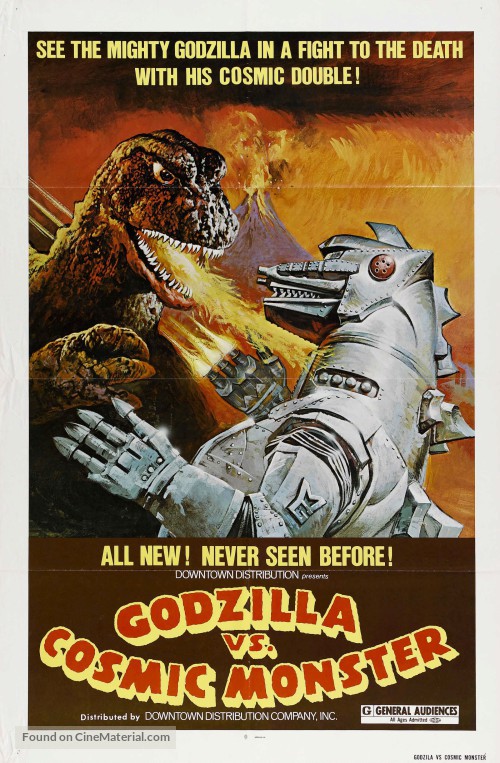
The fourteenth Godzilla film, noted for the introduction of Mecha-Godzilla, a robot copy of Godzilla that became a recurring nemesis in subsequent entries. By this point in the original series, the effects and quality of production had become very shabby
The sixth Godzilla film and the point where the series started to become silly and juvenile in its focus. A weak entry featuring some of the shabbiest effects of this era.
The eleventh Godzilla in which he faces the pollution monster Hedorah. For some reason, this gets a listing in The Fifty Worst Movies of All Time but there are worse entries in the series
The fourth Godzilla film, the first in which Godzilla battled another Toho monster, namely Mothra. Colourfully enjoyable and taking itself more seriously than many of the entries that would follow
The tenth Godzilla film and a low point of the series with the focus now going on the slapstick pratfalls of Godzilla’s son. Many special effects scenes are recycled from previous entries.
Toho Films obtained the rights to King Kong to pit him against Godzilla in King Kong Vs Godzilla and then made this entertainingly silly sequel where Kong fights a robot copy of himself
The third of the Godzilla films wherein Toho managed to obtain a coup in leasing copyright to pit Godzilla against a rather tatty-looking King Kong for one of the great title bouts of the century
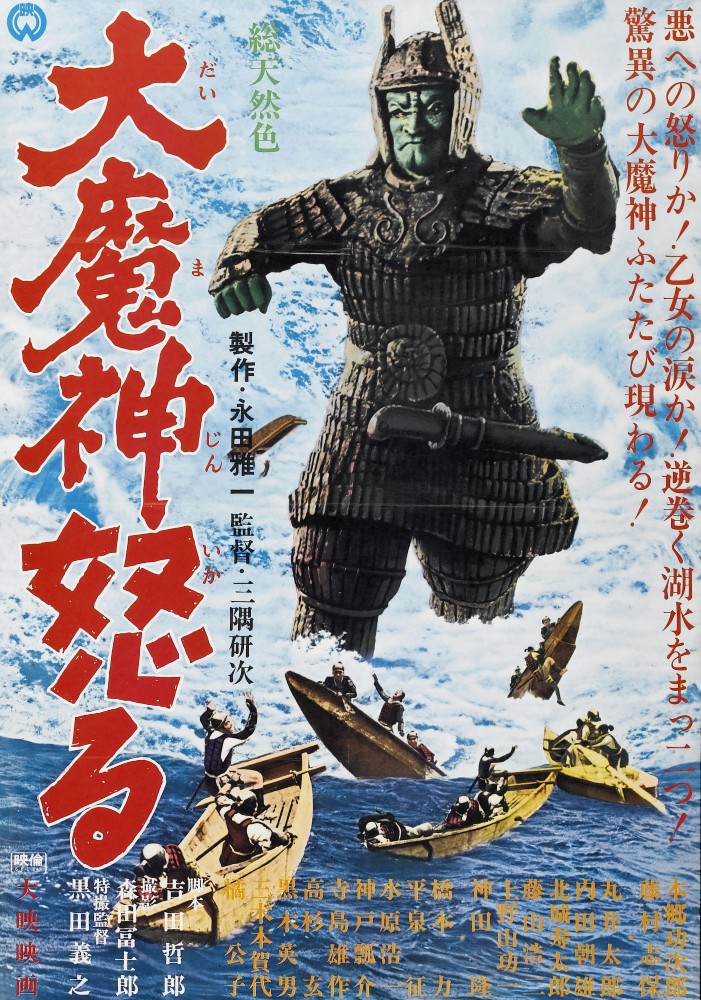
One of the more unusual Japanese monster movies, one that operates just as much a samurai film, concerning the stone god of a mountain that awakens to defend downtrodden peasants
The sixth Godzilla film, the first where the series combines elements of space opera – a typical entry of the era and colourfully entertaining about it too
The most successful of the original monster movies Toho made after the success of Godzilla, the only one to spawn its own sequels, and one of the best kaiju eiga of the era
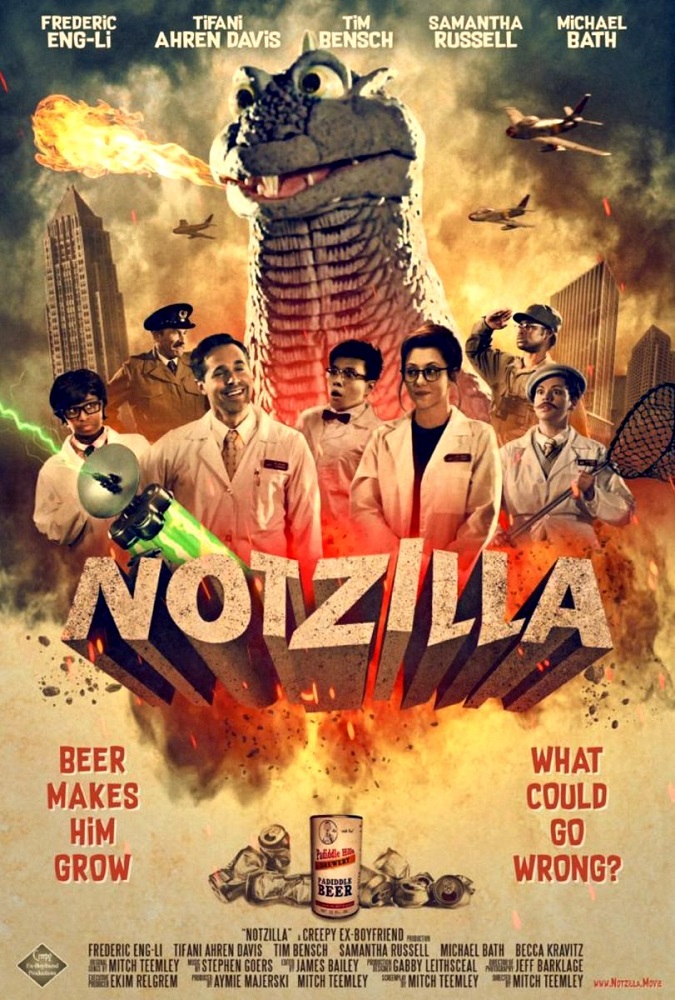
A really funny parody of Japanese monster movies. Sublimely silly nonsense
One of the worst among the usually worthwhile Japanese monster movie revivals of the 1990s. Much of the film is played down at an inanely silly children’s movie level, with there only being the requisite mass destruction effects to enliven the show
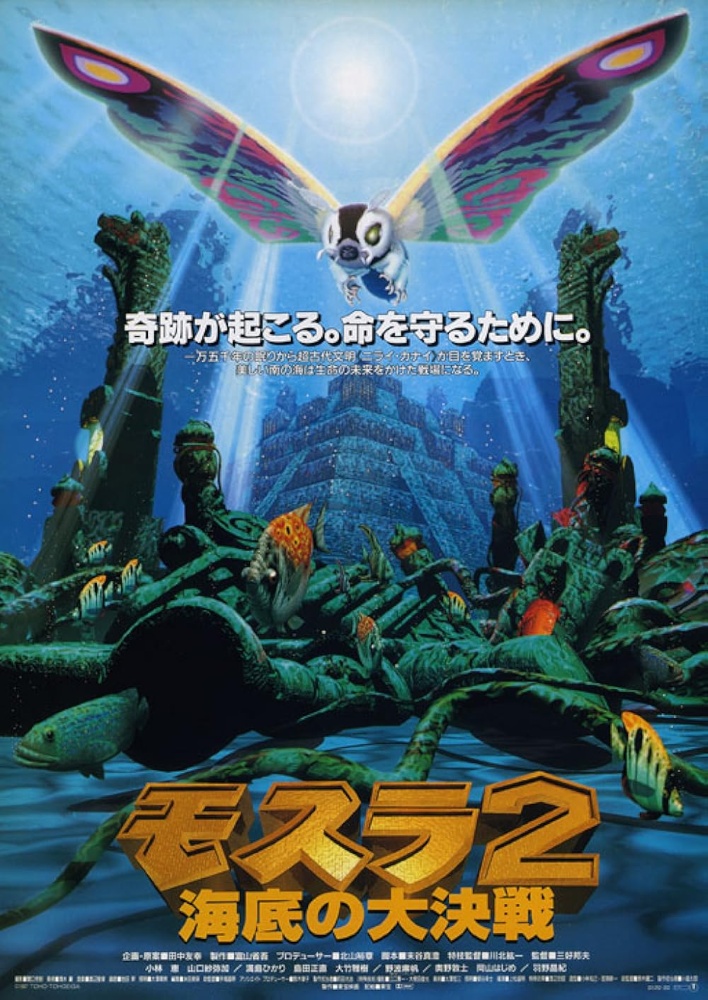
After their successful revival of Godzilla in the 1990s, Toho revived Mothra for a series of standalone battles, albeit with a very juvenile focus made for children. This was the second and better of the three films
A Japanese monster movie with a difference. The second in a trilogy of films about a giant stone deity that awakens to defend villagers in trouble
The 29th of the Japanese Godzilla films. Coming after the longest gap in the series to date, this functions as a complete reboot of the original. Godzilla is reconceived as a fearsome creation amid epic mass destruction and what are hands down the best effects of any film in the series
Reboot of the old Japanese superhero series, conducted with the epic scale, mass destruction and dazzling effects of the more recent Godzilla films
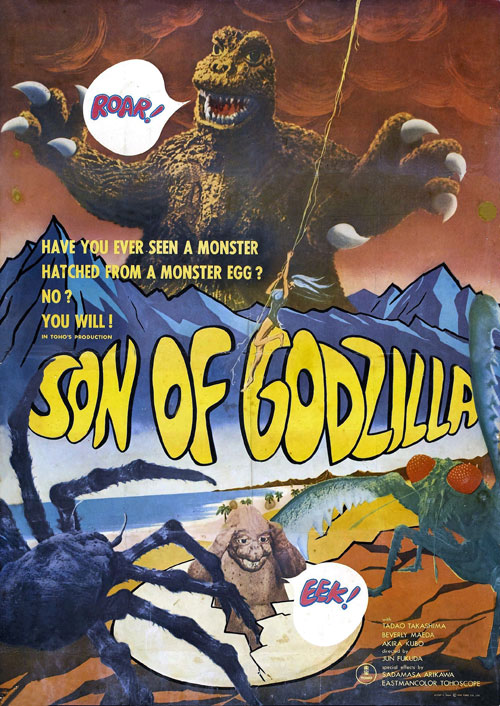
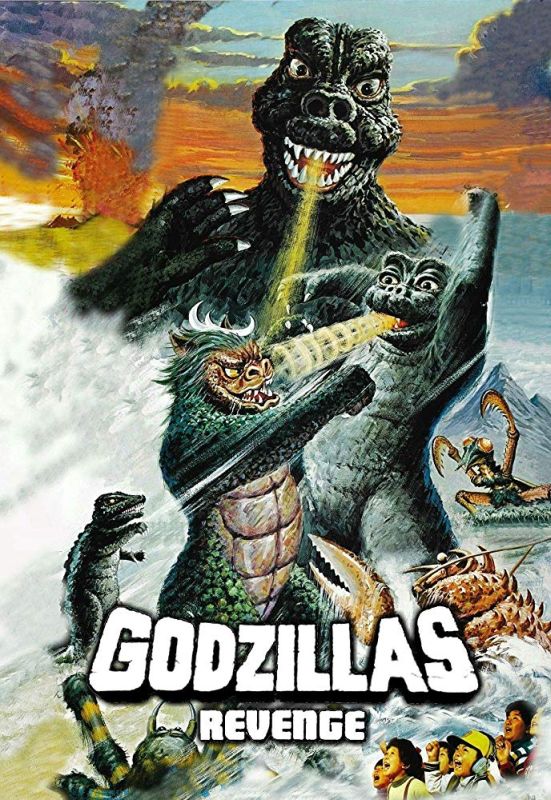
The eighth Godzilla film featuring the introduction of his son Minya in a shameless pitch for juvenile audiences. The series is no longer taking itself seriously, although ends up more likeable than some of the other entries of this period
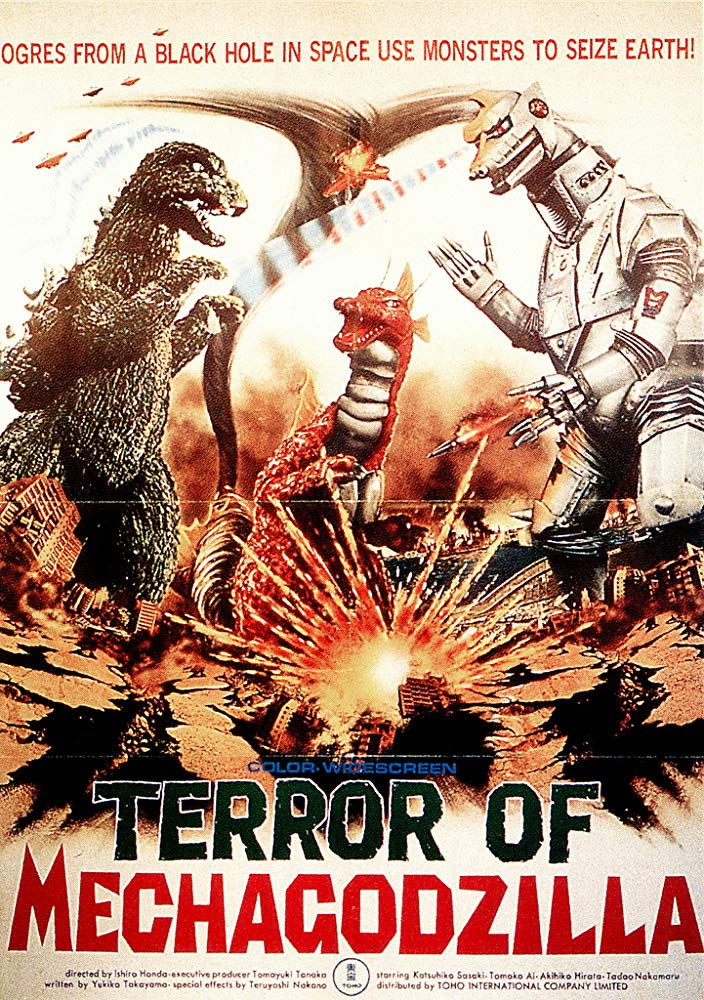
The fifteenth Godzilla film, the last of the classic series, featuring a return of Mechagodzilla from the previous film. Original director Ishiro Honda returns to the series and reclaims it from the juvenile focus it had taken over the last few films to make the best entry of the 1970s
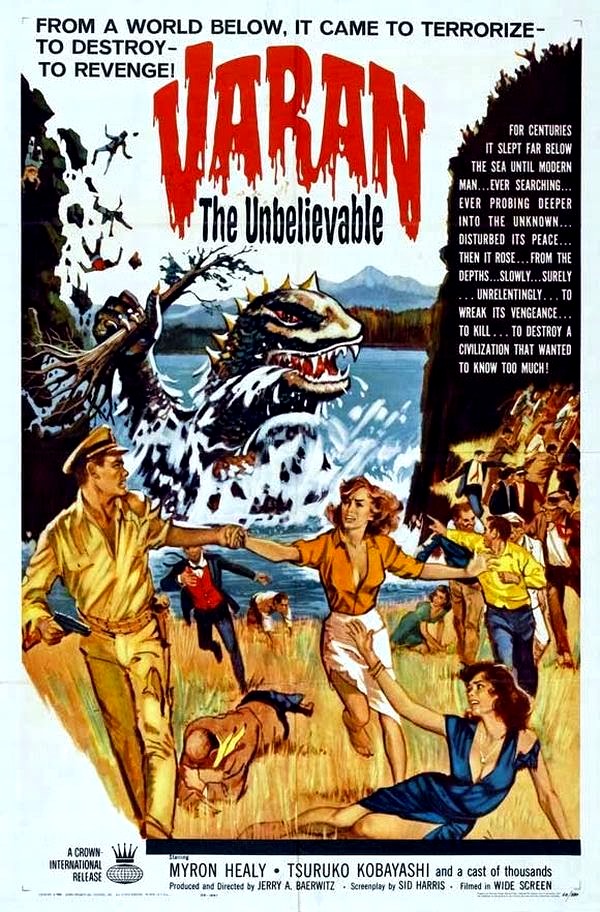
Japanese monster movie from the same team that created the original Godzilla. The English-language version has simply kept the effects scenes and cut everything else, replacing it with scenes of the US military ordering the Japanese about
From Ishiro Honda, the creator of Godzilla, this bizarrely features two giant Frankenstein monsters battling it out. A fairly typical Japanese monster movie of its era featuring cheesily ridiculous rubber monsters, copious mass destruction and a largely irrelevant human element
An amusing take on the Japanese Monster Movie that takes place in the aftermath of a monster battle as various government agencies debate what do with the carcass of a giant monster lying in the countryside
A wannabe entry in the Japanese monster movie, this has the distinction of featuring possibly the most ridiculous monster to ever turn up in one of these films
One of the more forgettable films from Godzilla creator Ishiro Honda about an alien entity taking the form of giant animals on a Pacific island
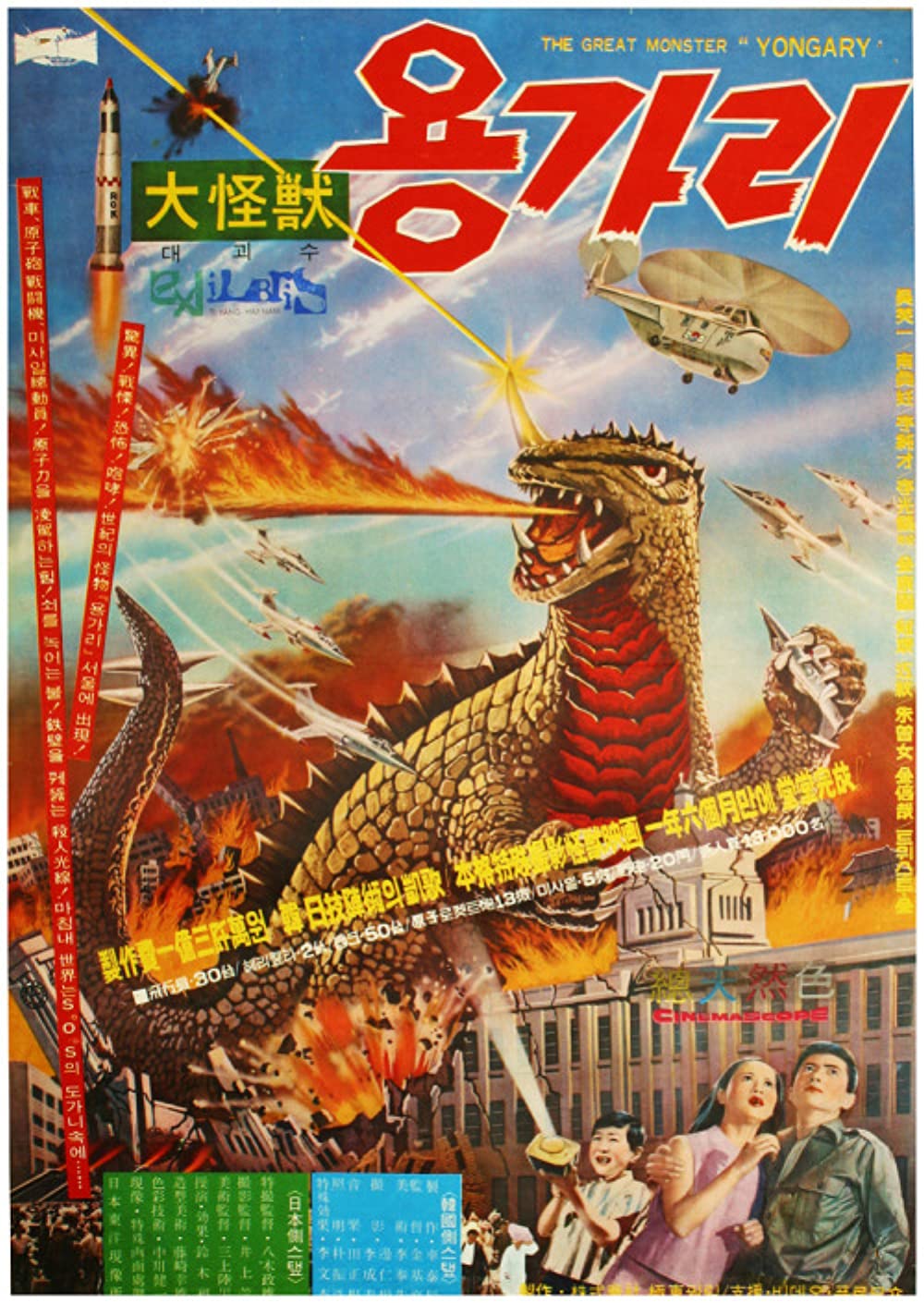
South Korean copy of the Japanese Godzilla films and a painfully cheap effort on all counts