A Page of Madness (1926)
Forgotten silent Japanese avant garde classic set in a mental asylum. This has many similarities to The Cabinet of Dr Caligari in its shifting perspectives that delve into the subjective mental space of the inmates
The Science Fiction Horror and Fantasy Film Review
Forgotten silent Japanese avant garde classic set in a mental asylum. This has many similarities to The Cabinet of Dr Caligari in its shifting perspectives that delve into the subjective mental space of the inmates
One of a number of films based on the most famous of all Japanese ghost stories. This is a adaptation made in the neo-realist style of the period that was released in two parts
An obscure, little-seen but fascinating Japanese copy of The Invisible Man films
Classic film from Akira Kurosawa about the subjectivity of perception in which a trial is held about a murder and all four witnesses retell an entirely different story about what happened
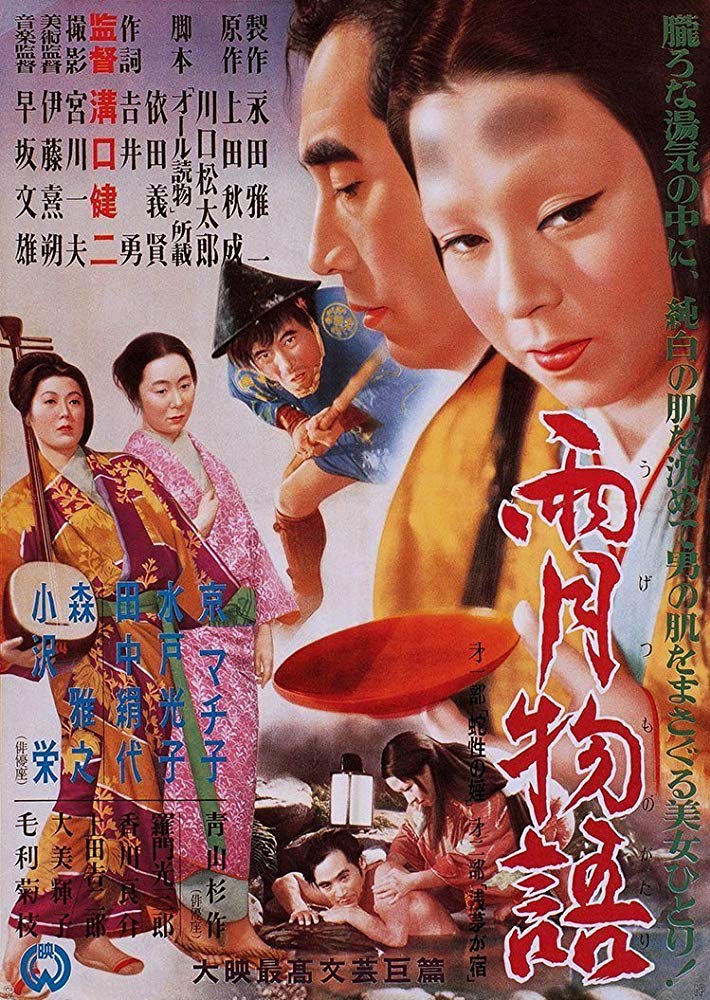
Classic Japanese kaidan eiga (or ghost story). Made not long after Akira Kurosawa’s new realism in Japanese cinema, this comes with a superb formalism as it slowly moves over into the supernatural
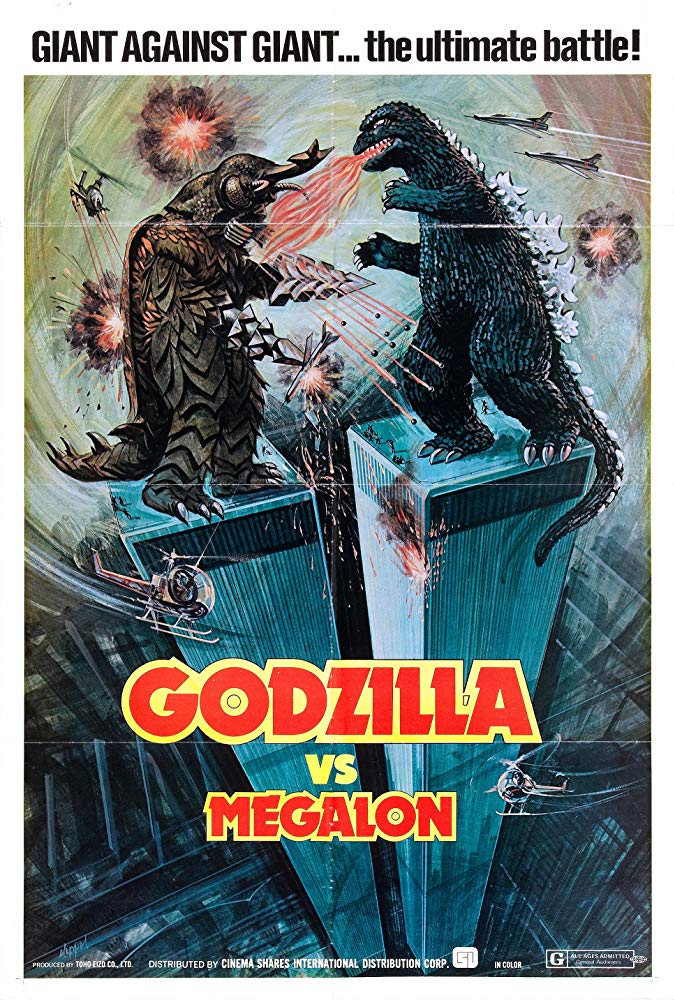
The very first Godzilla film. Essentially a copy of The Beast from 20,000 Fathoms, it has incredibly stark effect despite primitiveness effects. In it you can see Japanese nation struggling to expiate the pain of the Atomic Bomb.
The US release of several short Japanese films featuring the superhero Starman. Cheap and entertainingly absurd, filled with tatty superheroics and laughable science
The first Japanese entry in the great alien invader fad of the 1950s. Nothing great but it does boast the awesomeness of starfish-shaped aliens
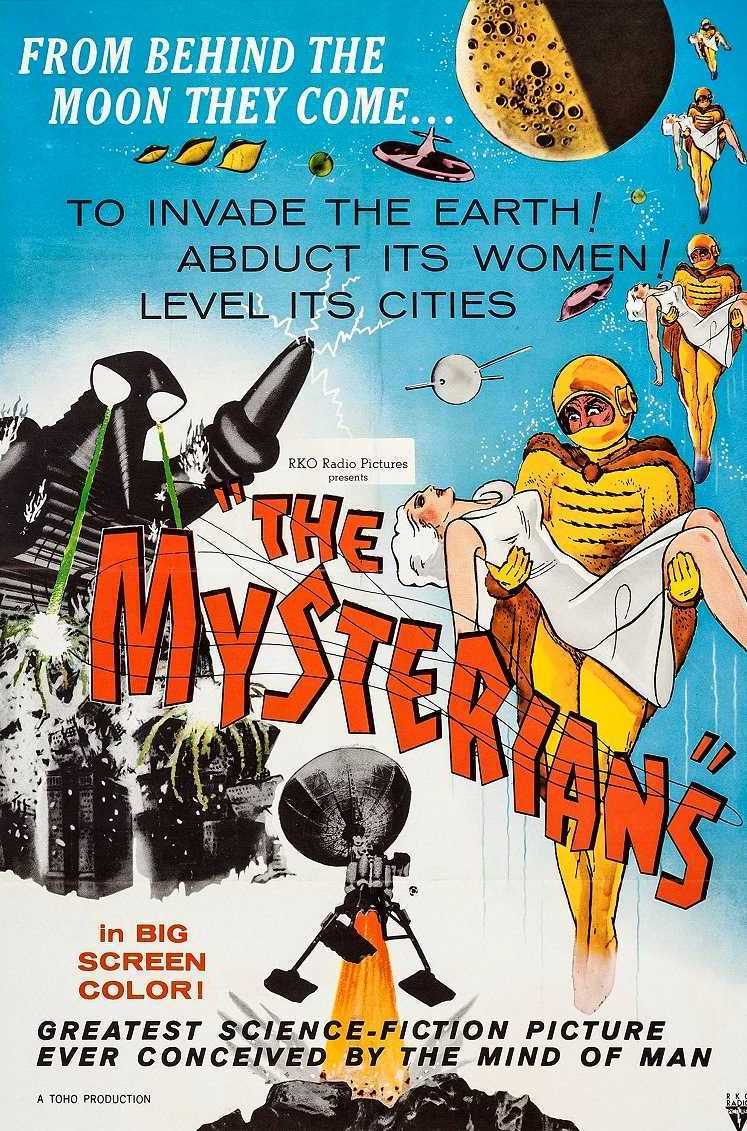
Ishiro Honda and Toho, the creators of Godzila, turn their attentions to the alien invasion film – the first Japanese entry in the great 1950s SF alien invader fad – and deliver all the same colourful mass destruction we expect
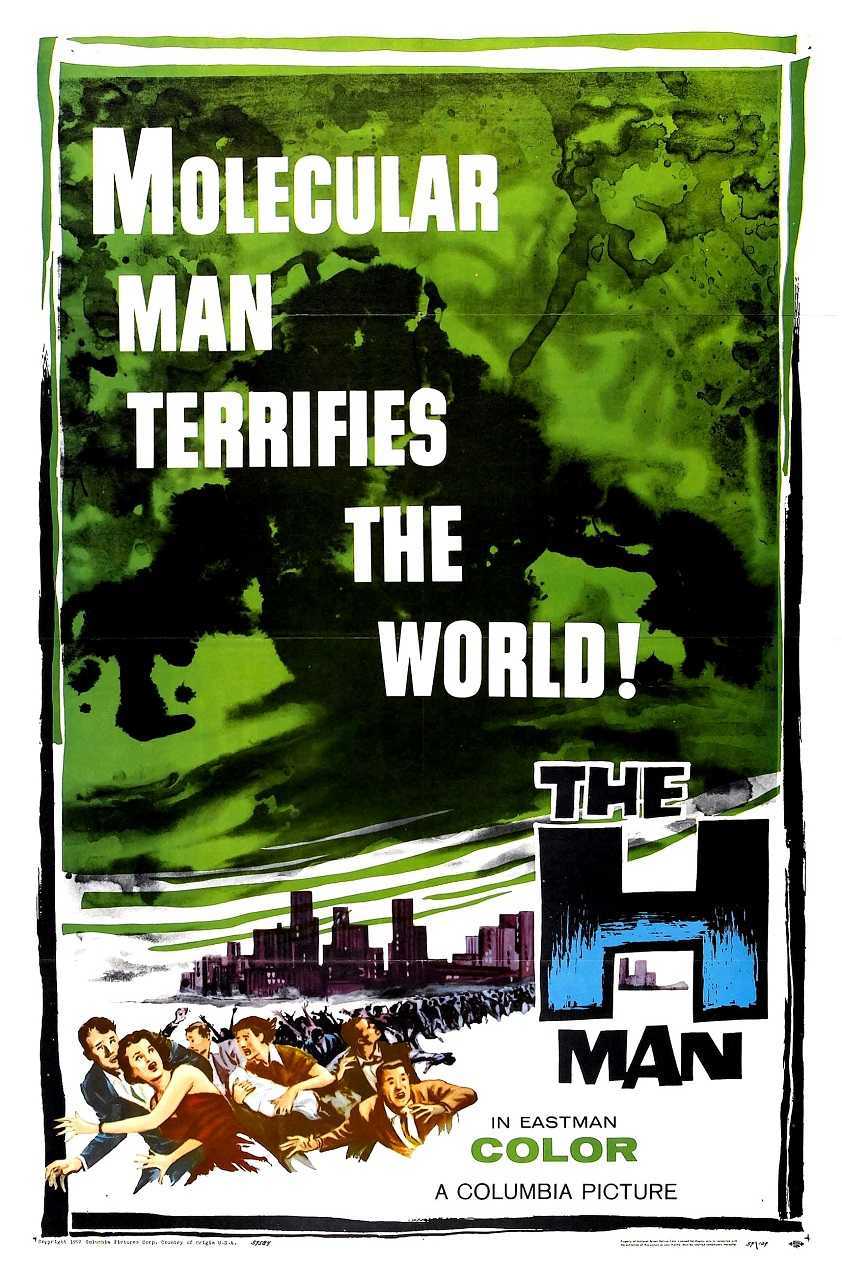
Monster movie from Godzilla creator Ishiro Honda featuring a glowing blob that dissolves humans. Mostly a routine policier that is spiced up every so often by novelty effects of people melting
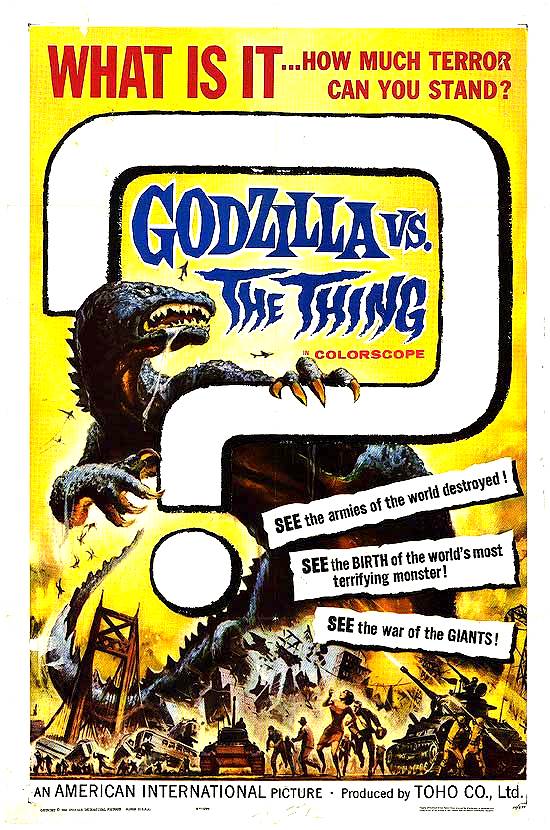
Japanese monster movie from the same team that created the original Godzilla. The English-language version has simply kept the effects scenes and cut everything else, replacing it with scenes of the US military ordering the Japanese about
Japanese ghost story based on a kabuki play that has been filmed numerous times. Much more character and story driven than modern kaidan eiga, this builds to a grim and spooky climax with undeniable effect
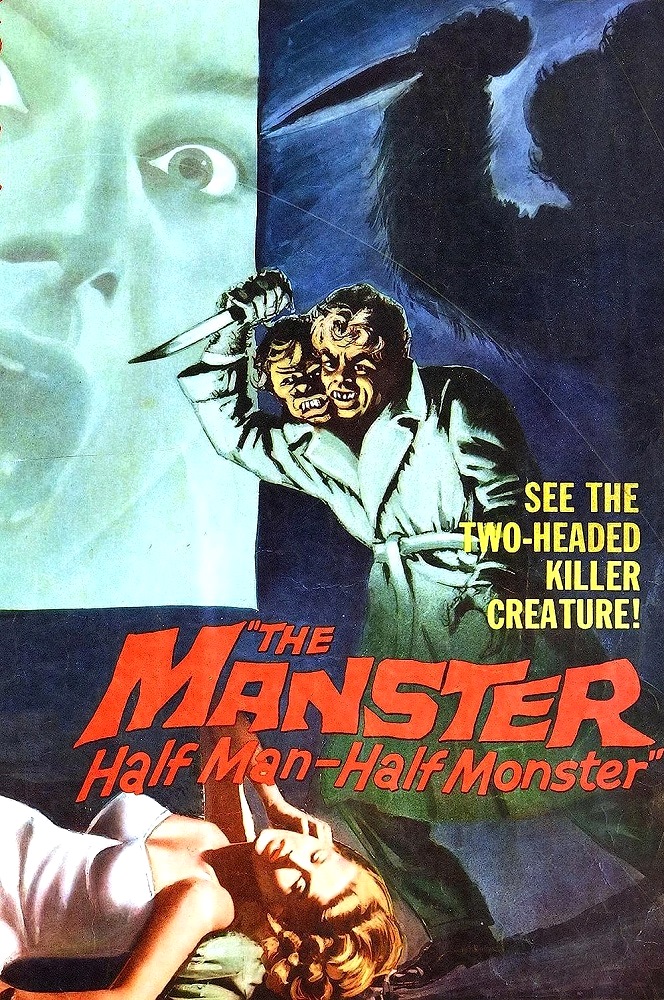
Fascinatingly torrid US-Japan production about a man who develops a second head on his shoulder that takes over his personality
Japanese film about a superhero defending Earth against alien invaders that travels into incredibly bad movie stakes with its painfully cheap effects and frequent dialogue howlers
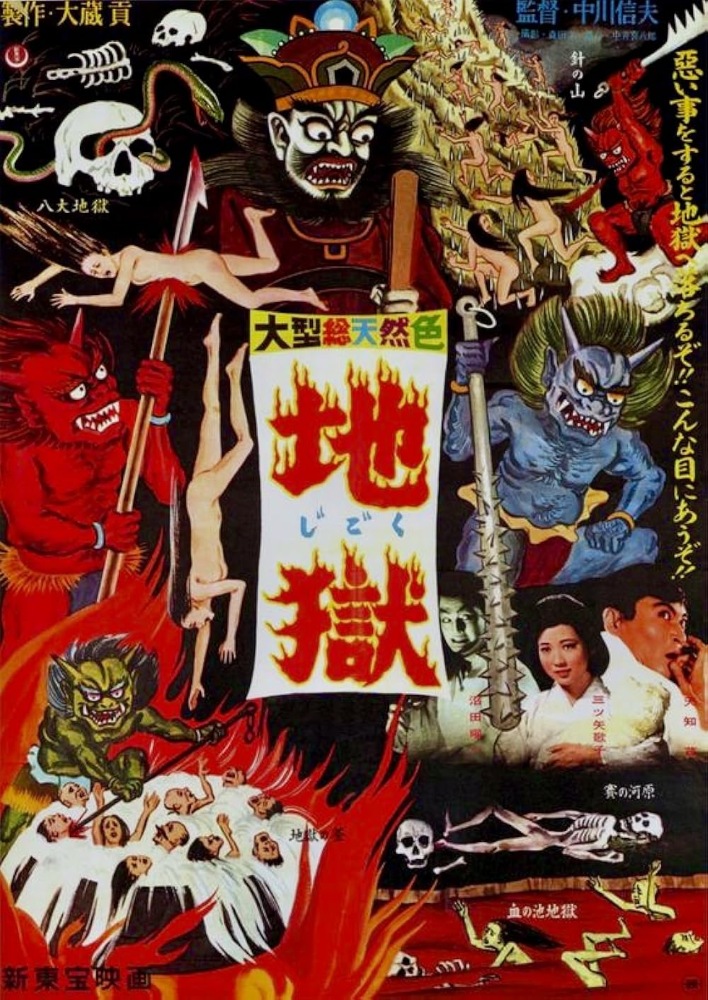
A fascinating Japanese film that imagines a man having to descend into Hell, designed along the lines of Dante’s Inferno, to save the soul of his loved one. The depiction of Hell is filled with luridly surreal scenes
Toho Films of the 1960s are best known for the Godzilla films and assorted monster bashes. This is one of their non-monster films, part of a spate of mutant supervillain films concerning a villain who has invented a teleportation machine and is using it to exact revenge
Another effort from the Golden Age of kaidan eiga (Japanese ghost story films) during the 1950s-60s. While this assembles the essentials of the genre, it is only delivered in terms of a series of strident and unsubtle pop-up effects
Rather drab and cheap Japanese horror film about a disfigured actress who returns to life as a hairy vampire creature to exact vengeance. Not without its schlocky appeals, the hairy vampire bride looks more funny than threatening
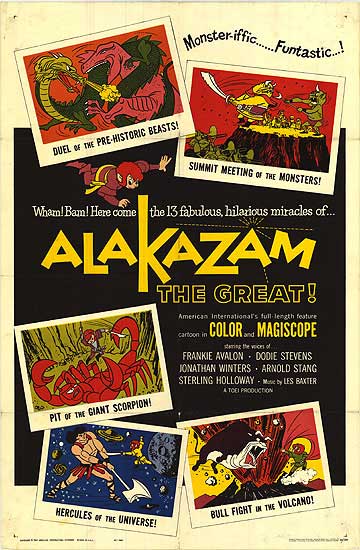
Anime version of the classic tale Chinese legend Journey to the West made Osamu Tezuka, this comes with a fast-paced action and is undeniably likable
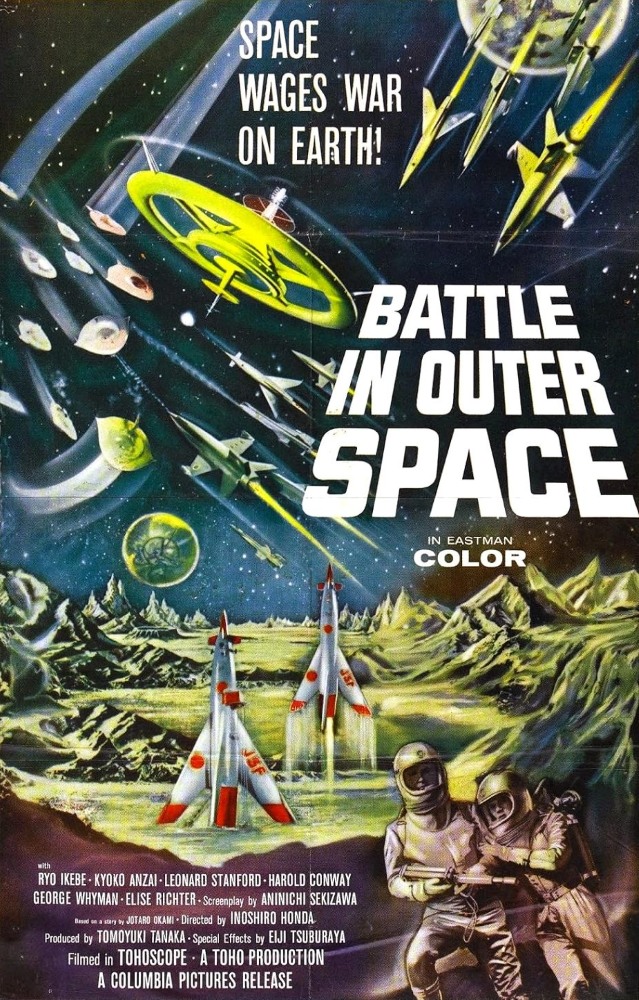
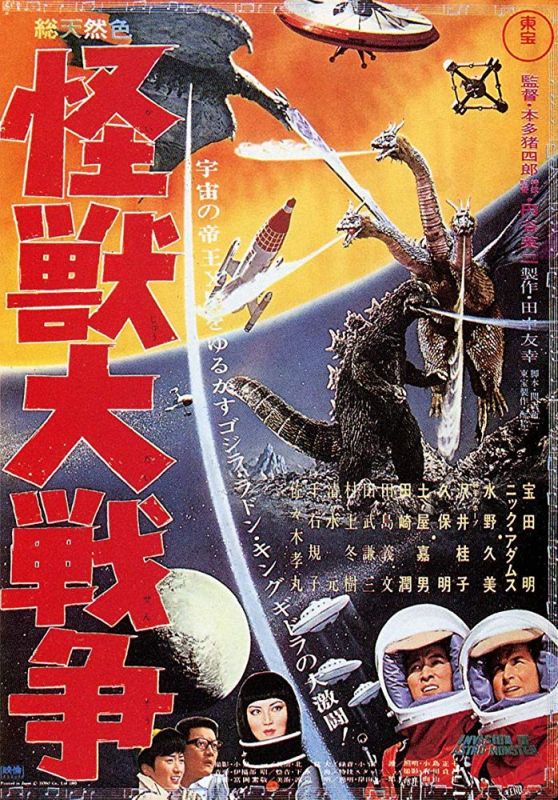
Godzilla director Ishiro Honda makes a colourfully entertaining space opera about Earth’s battle to fight off an alien invasion force on The Moon
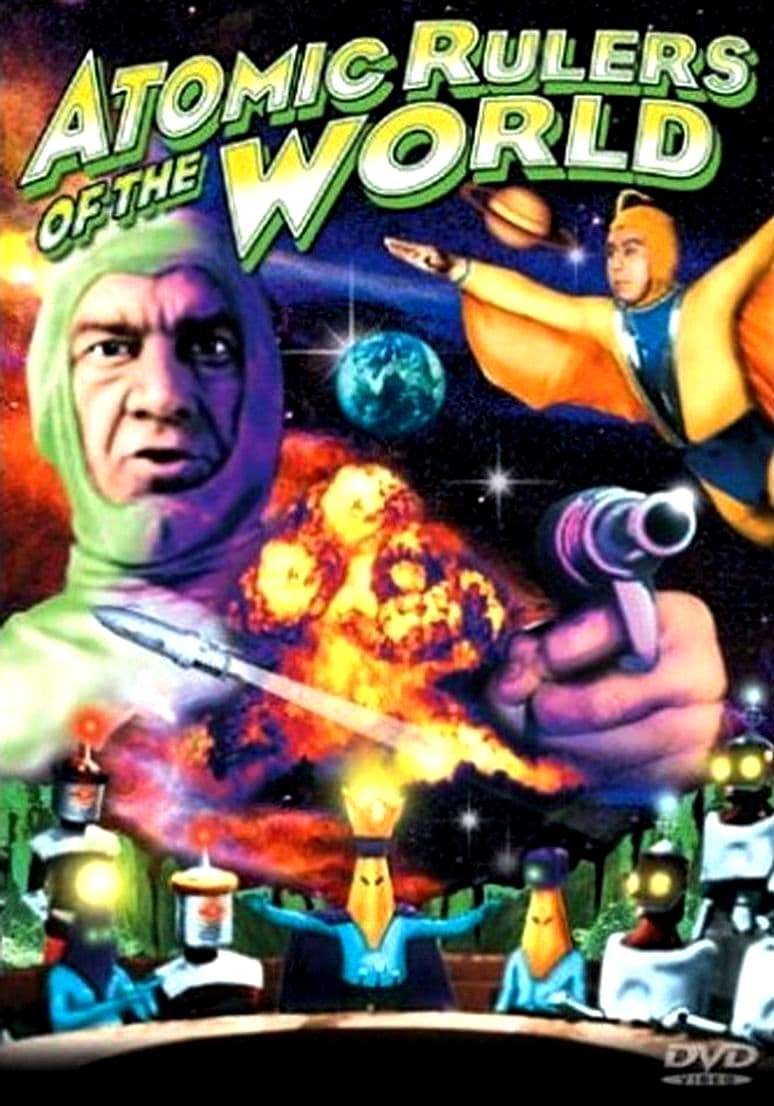
Japanese film with Sonny Chiba as superhero fighting off alien invaders. This has a tatty cheapness that well and truly places it in bad movie territory.
One of the other films from Godzilla creator Ishiro Honda. This has been incorrectly identified as a Japanese giant monster film but is mostly a colourful space opera about a rogue planet
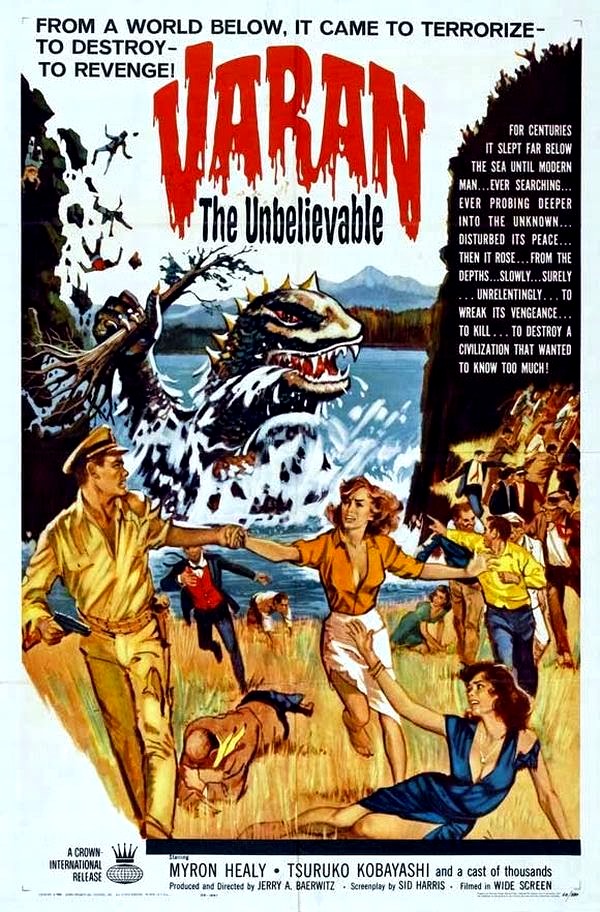
The most successful of the original monster movies Toho made after the success of Godzilla, the only one to spawn its own sequels, and one of the best kaiju eiga of the era
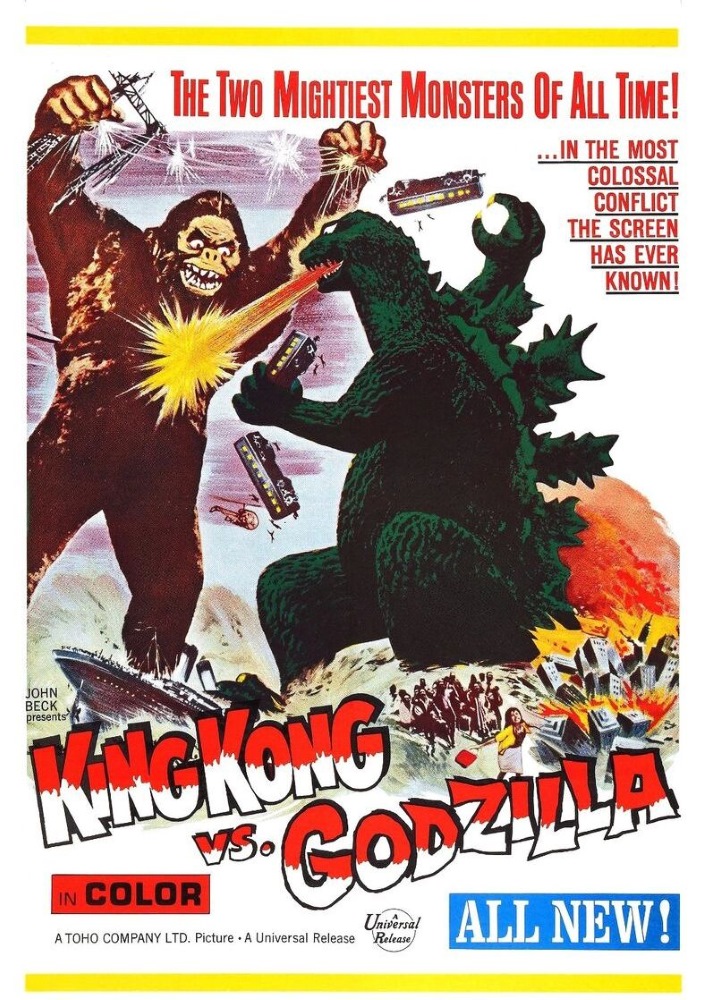
The third of the Godzilla films wherein Toho managed to obtain a coup in leasing copyright to pit Godzilla against a rather tatty-looking King Kong for one of the great title bouts of the century
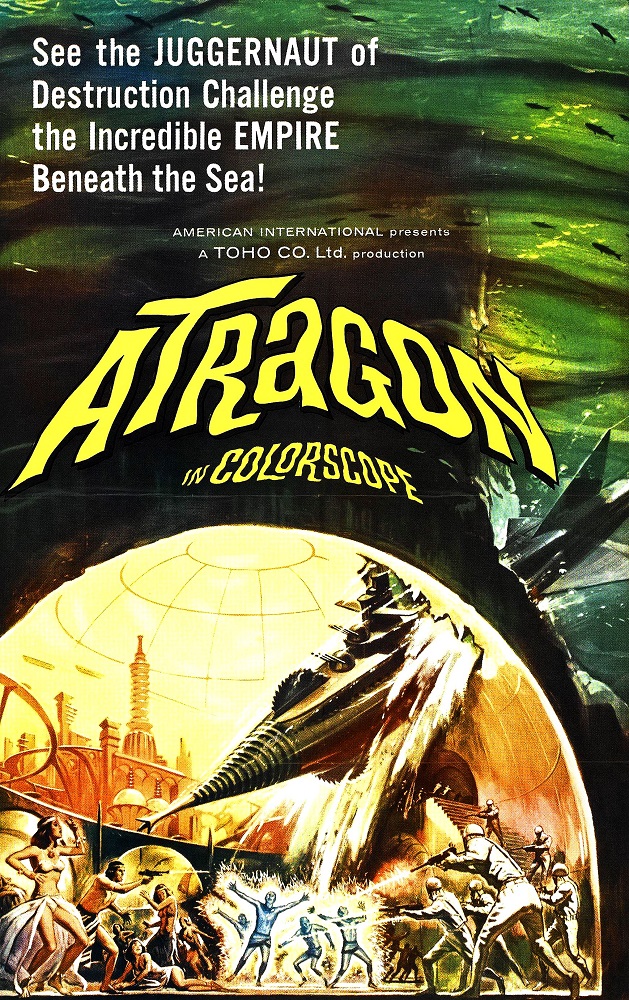
Ishiro Honda, the director of Godzilla, makes a colourful dventure film about a super-submarine battling an undersea empire in the vein of other works of the era like Voyage to the Bottom of the Sea
The fourth Godzilla film, the first in which Godzilla battled another Toho monster, namely Mothra. Colourfully enjoyable and taking itself more seriously than many of the entries that would follow
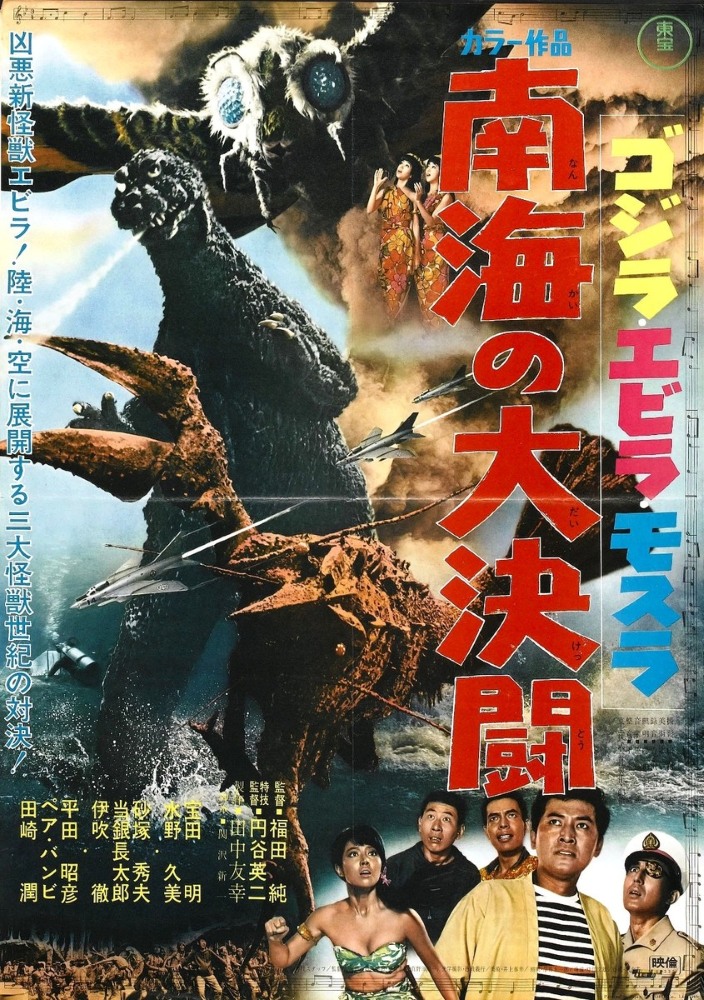
The fifth Godzilla film, the point where Godzilla becomes a good guy. The best Godzilla film from this period with the effects team operating at the peak of their game
Classic Japanese ghost story (kaidan eiga). This adopts the lyrical realism of the era and builds to reach an incredibly haunted conclusion
Godzilla creator Ishiro Honda makes a film about a meek man who gains the ability to transform into a mist and promptly becomes a bank-robbing super-villain
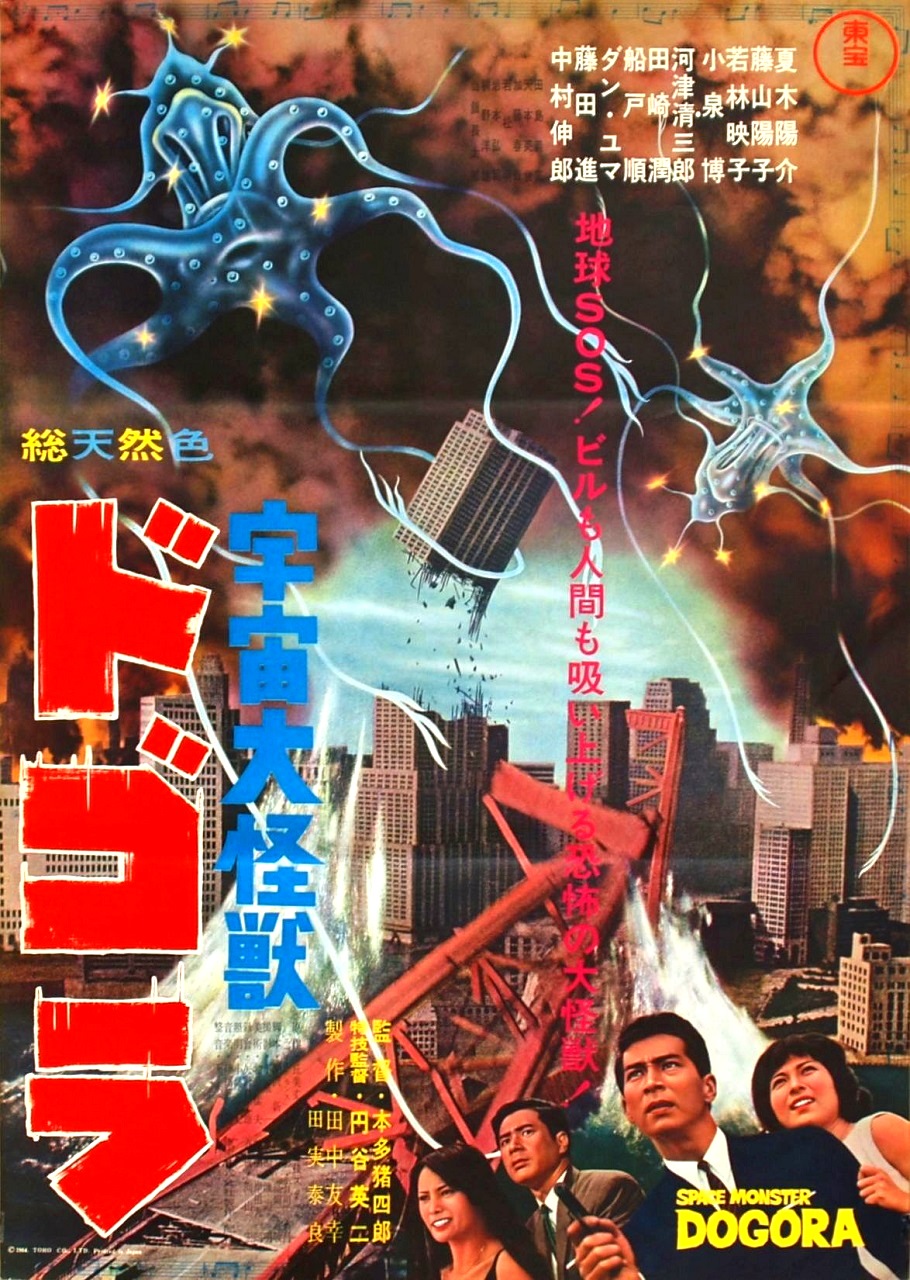
Japanese monster movie from Godzilla’s creator Ishiro Honda about a giant alien blob that appears in the sky and sucks up coal and diamonds
An anthology of four Japanese ghost stories, each made with an extraordinary visual flair
Likeable puppet animated film about a time-travelling boy and his monkey companion
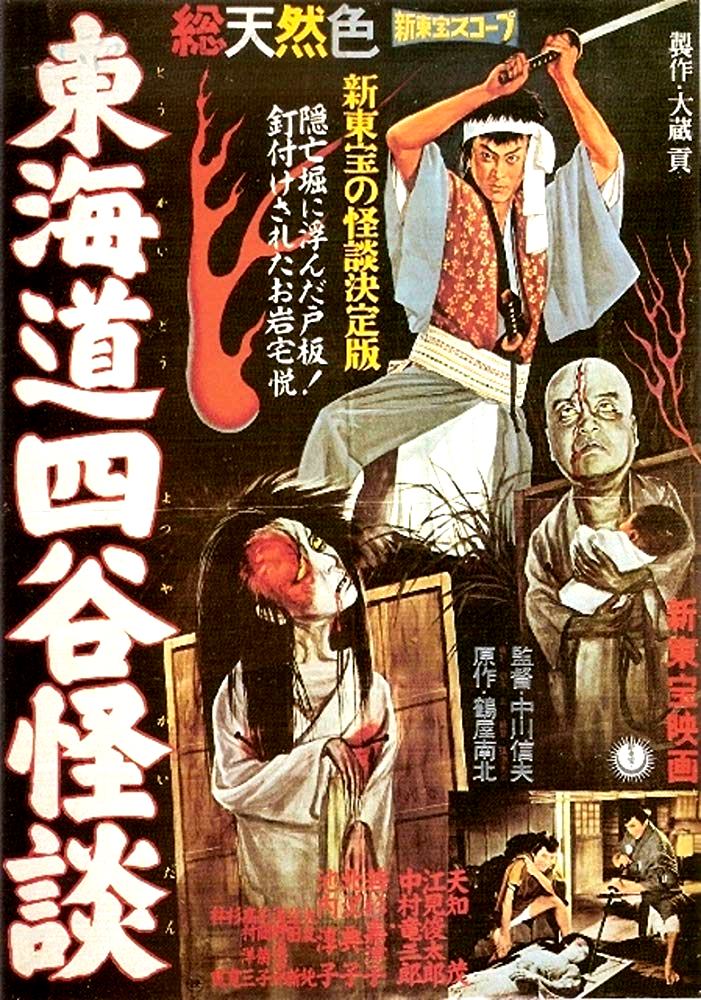
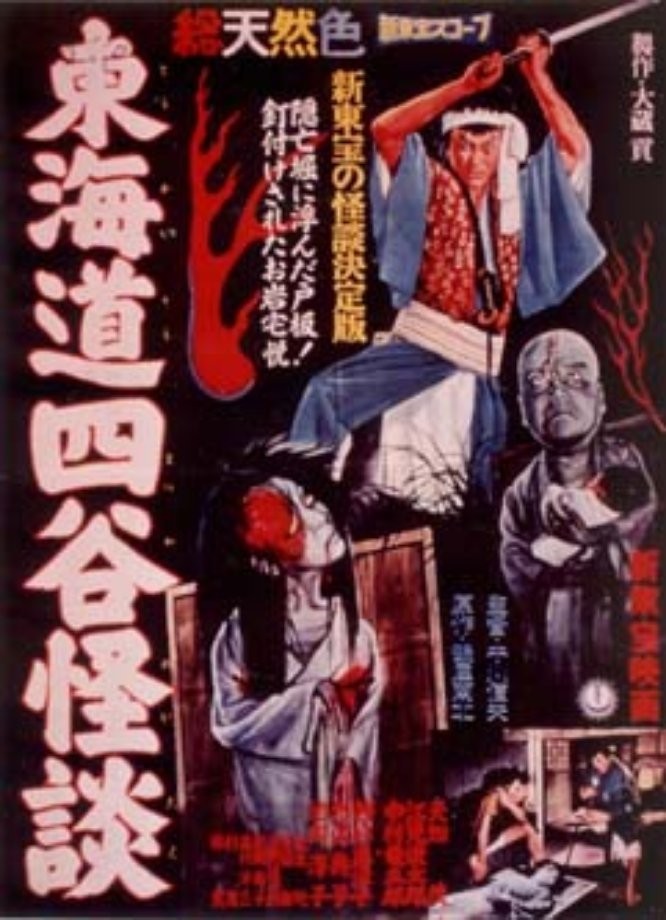
Standout adaptation of the oft-filmed kaidan eiga (Japanese ghost story) Yotsuya Kaidan/The Yotsuya Ghost Story
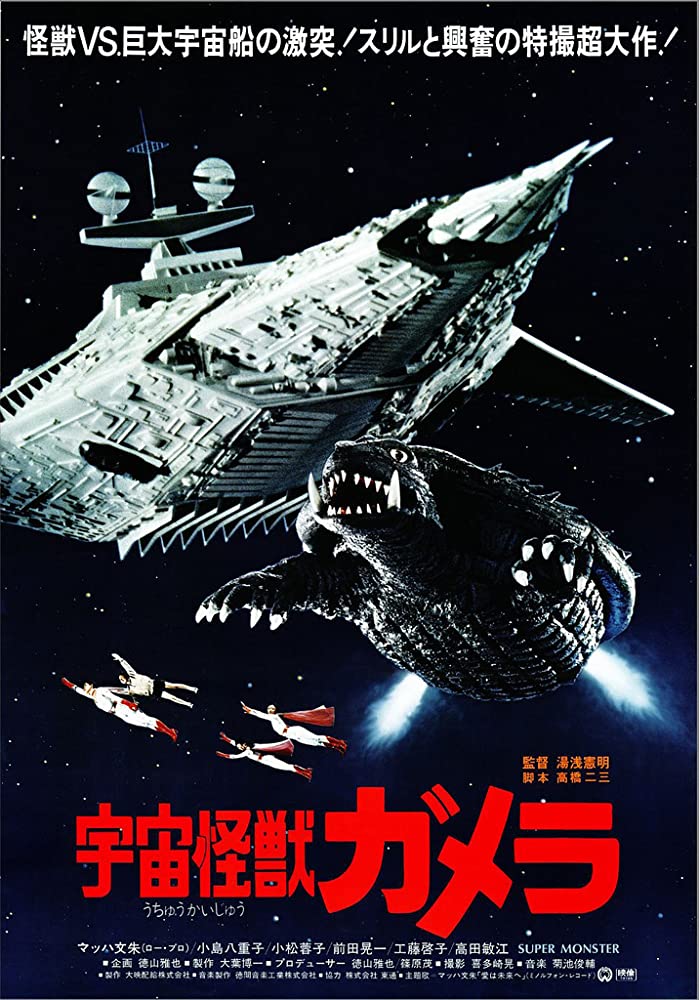
This was made as a copy of the Godzilla films by rival studio Daiei. This was sufficiently successful that it too spawned a long-running series of sequels and monster bashes
The sixth Godzilla film, the first where the series combines elements of space opera – a typical entry of the era and colourfully entertaining about it too
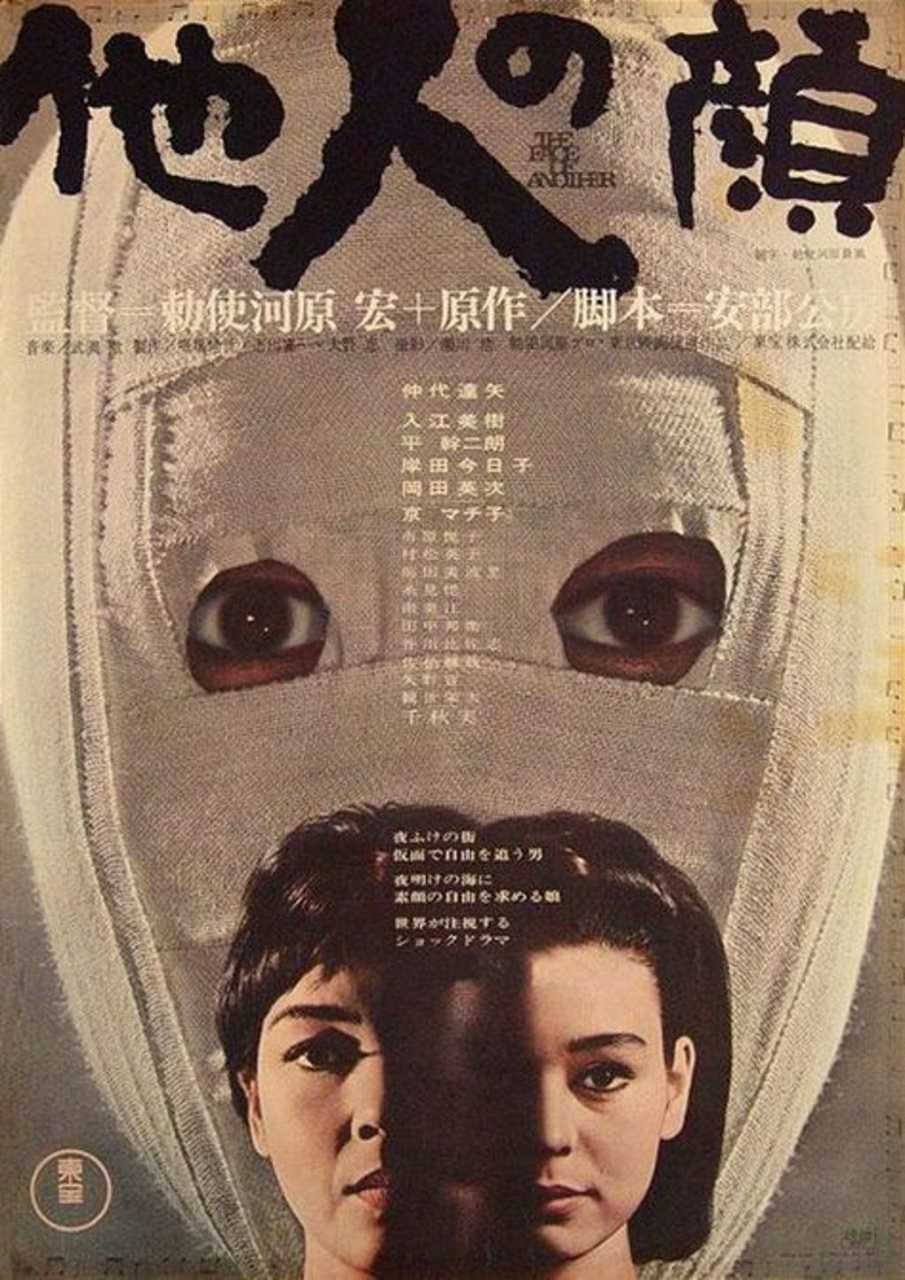
A neglected Japanese classic, a haunting existential meditation on identity as a man loses his face in an accident and then is granted a lifelike mask
One of the strangest of Japanese monster movies in which the heart of the Frankenstein monster is caught in the Hiroshima atomic blast and grows into a giant boy
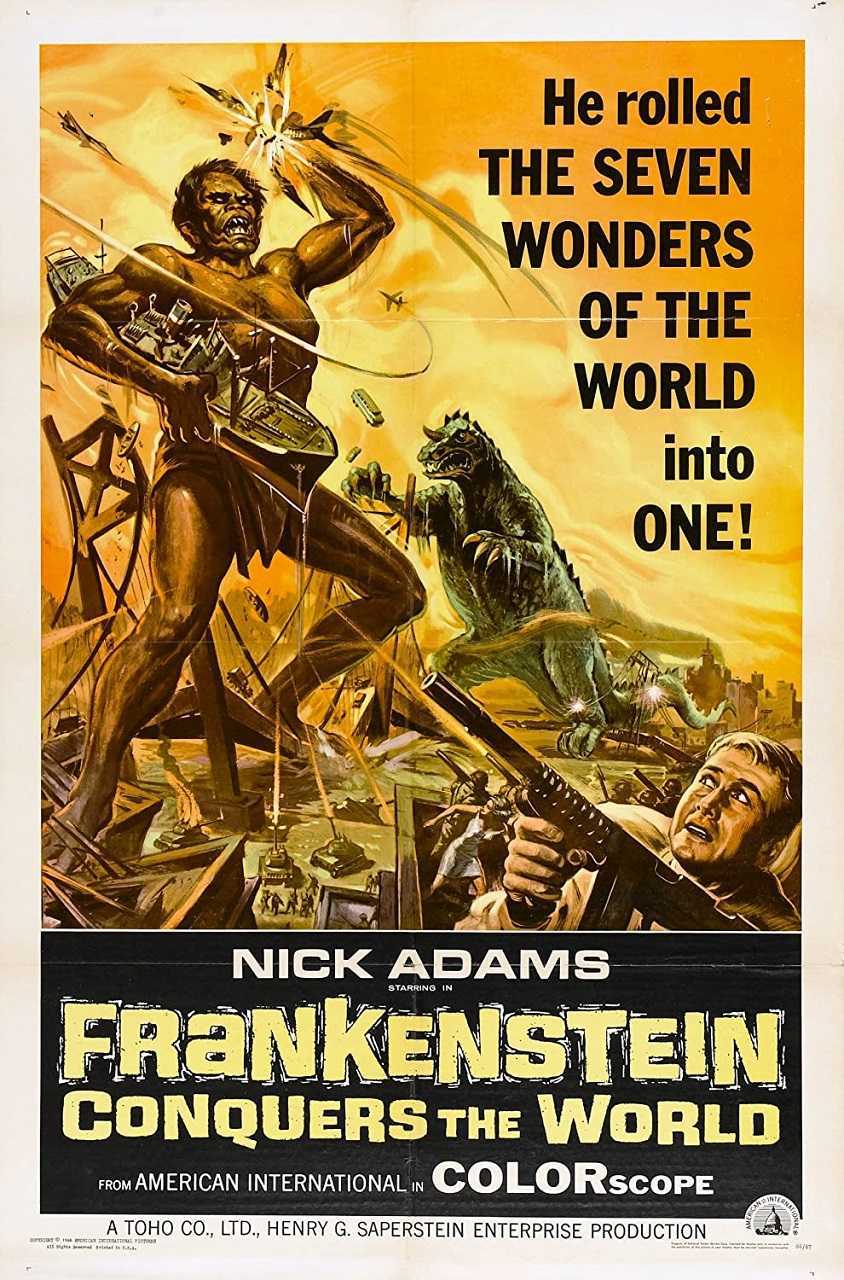
From Ishiro Honda, the creator of Godzilla, this bizarrely features two giant Frankenstein monsters battling it out. A fairly typical Japanese monster movie of its era featuring cheesily ridiculous rubber monsters, copious mass destruction and a largely irrelevant human element
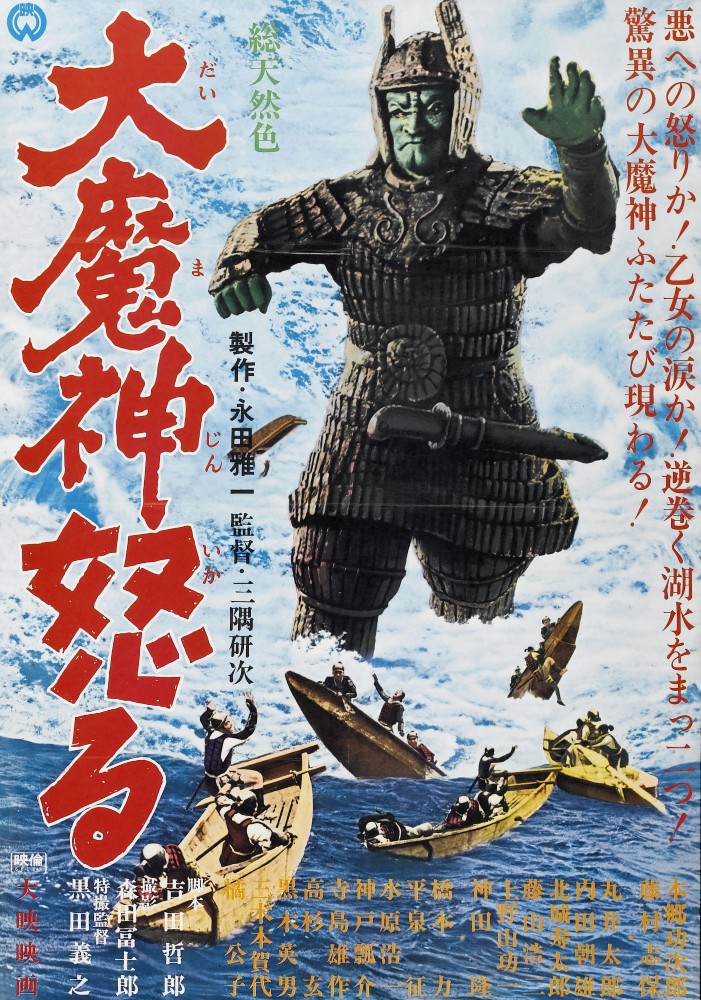
One of the more unusual Japanese monster movies, one that operates just as much a samurai film, concerning the stone god of a mountain that awakens to defend downtrodden peasants
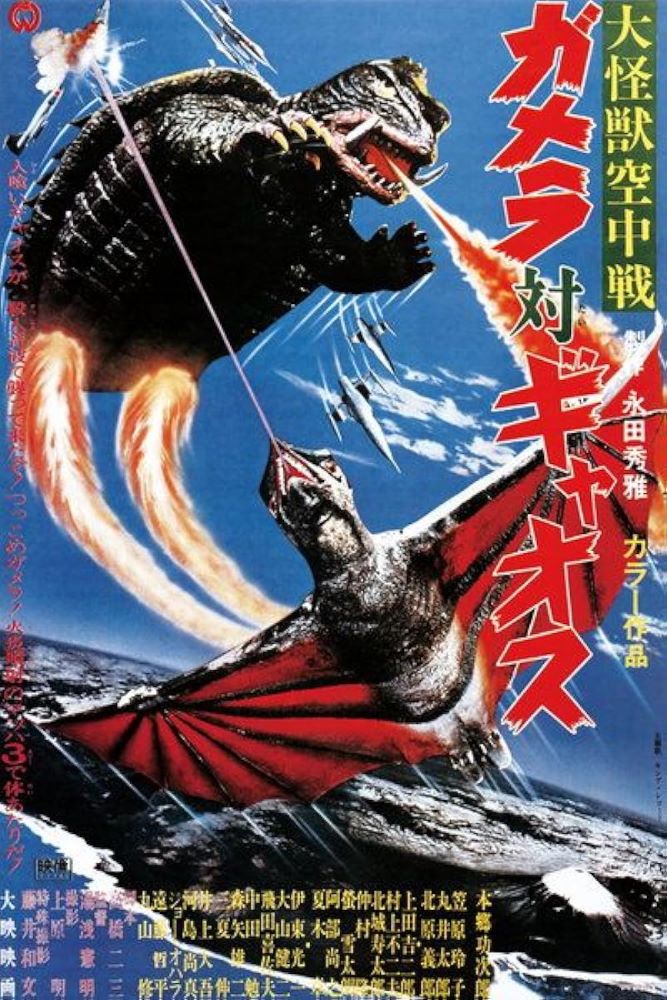
The 1960s Gamera films were always a copy of the Godzilla films, aimed at a more juvenile level and with crappier effects. This was the second of them, somewhat better produced than the others and taking proceedings seriously
A Japanese monster movie with a difference. The second in a trilogy of films about a giant stone deity that awakens to defend villagers in trouble
The sixth Godzilla film and the point where the series started to become silly and juvenile in its focus. A weak entry featuring some of the shabbiest effects of this era.
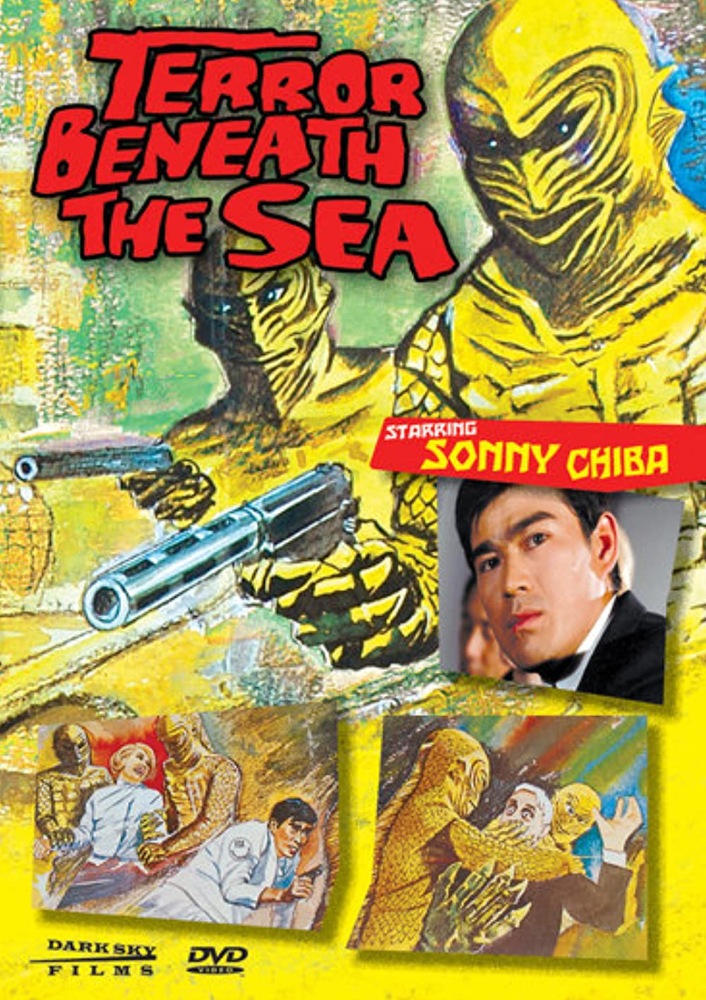
Japanese movie made for international sales where a scientist has built a race of amphibian cyborgs to take over the world
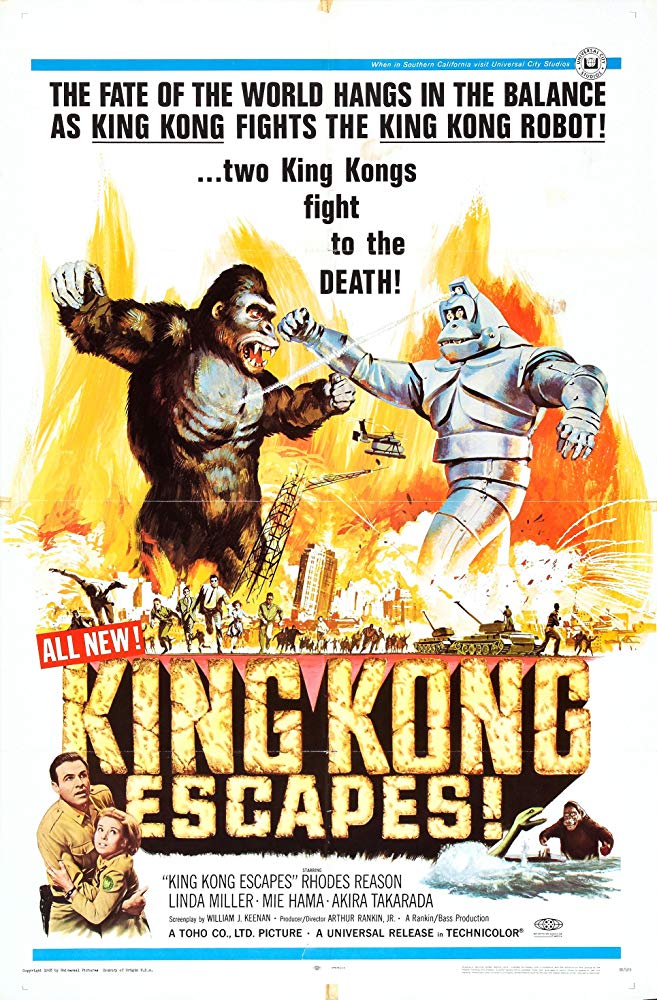
Toho Films obtained the rights to King Kong to pit him against Godzilla in King Kong Vs Godzilla and then made this entertainingly silly sequel where Kong fights a robot copy of himself
A wannabe entry in the Japanese monster movie, this has the distinction of featuring possibly the most ridiculous monster to ever turn up in one of these films
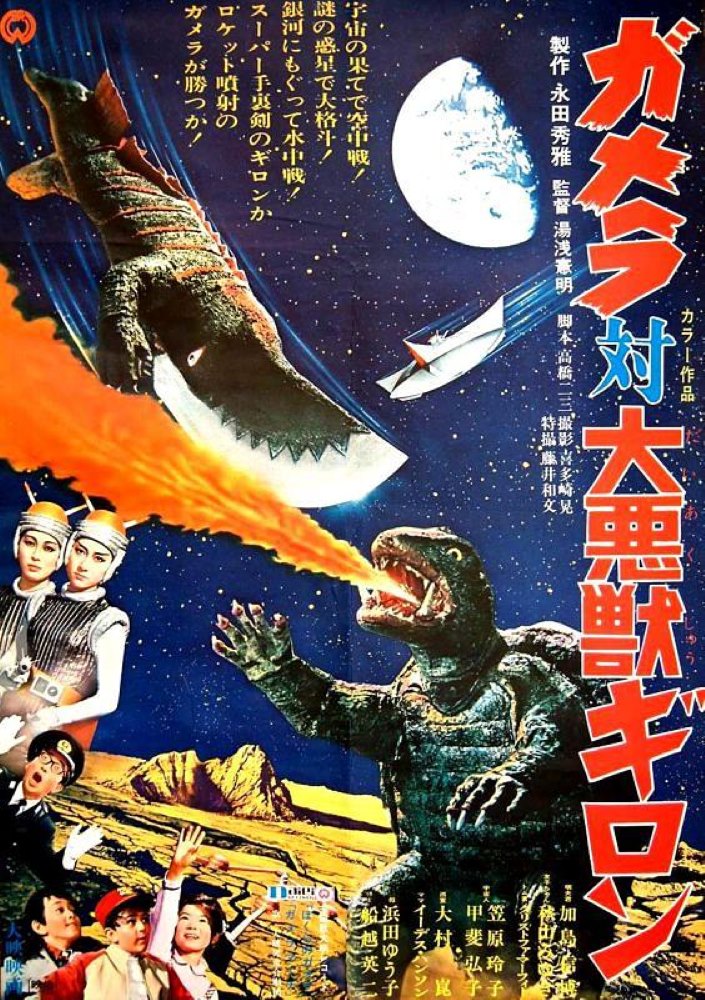
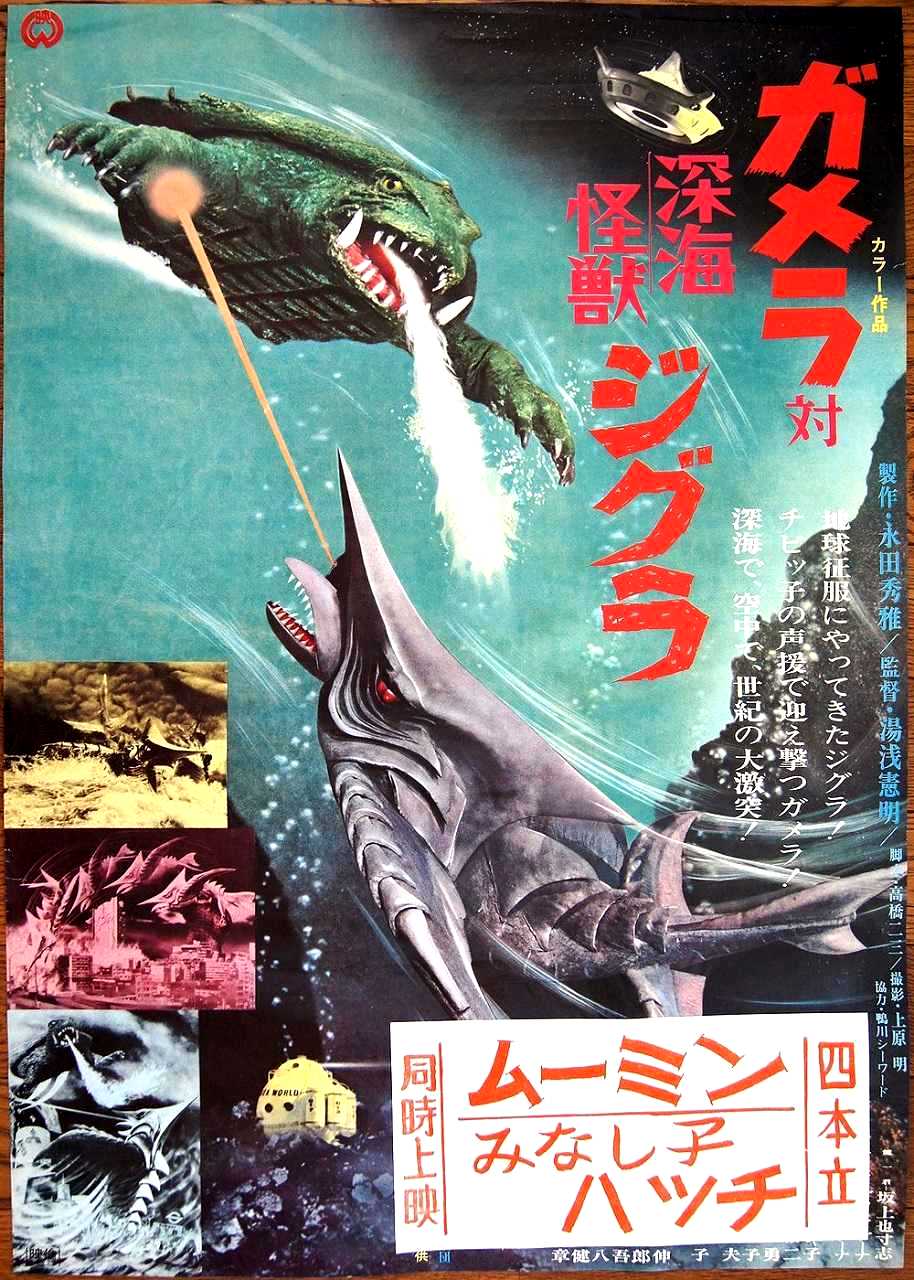
The third of Daiei’s 1960s Gamera films, this takes the series back into children’s movie territory. Some moments of goofy silliness and variable effects ensue
This was a fairly crappy and terrible Japanese monster movie from a rival company seeking to copy the success of Toho’s Godzilla films
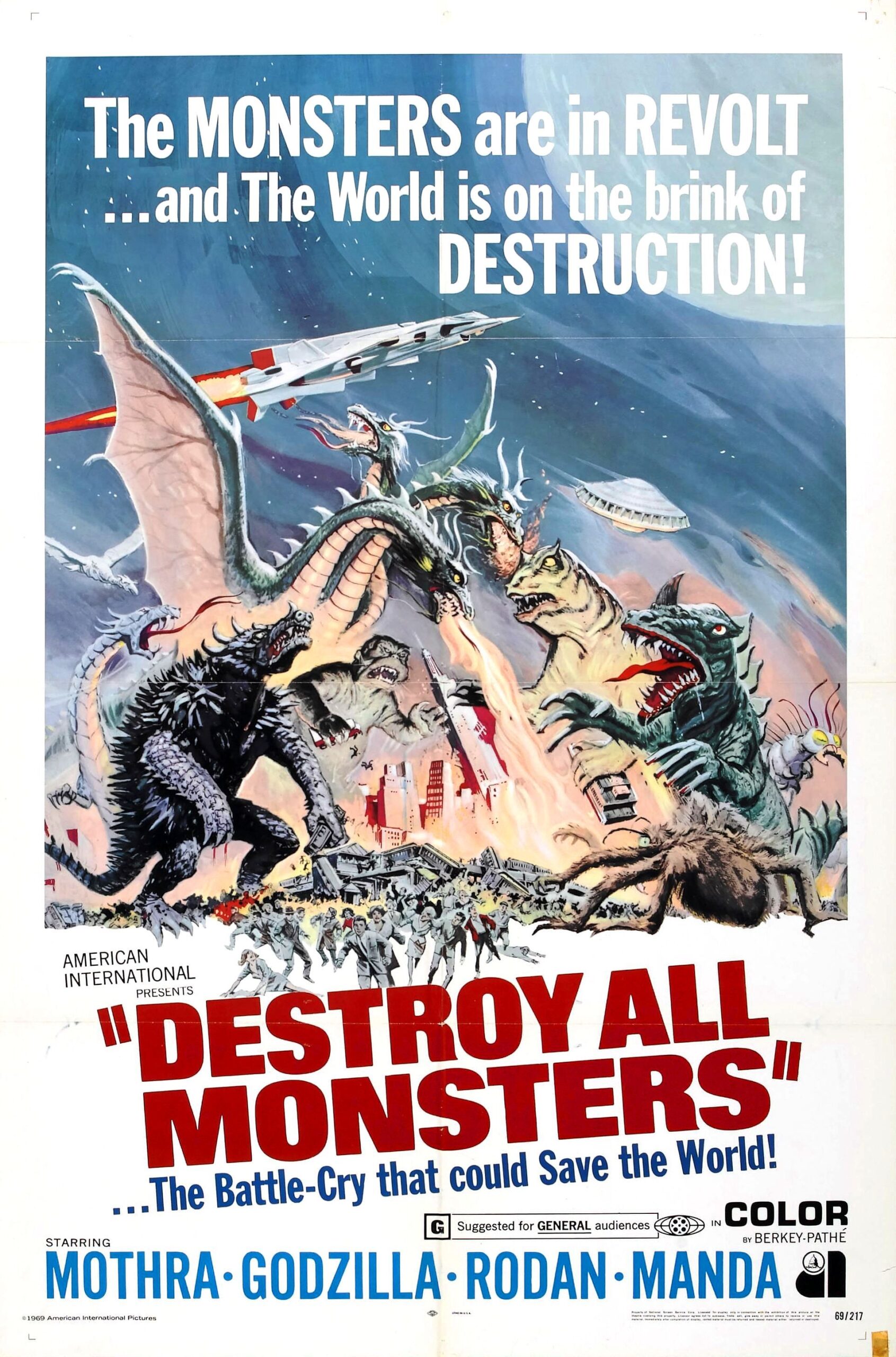
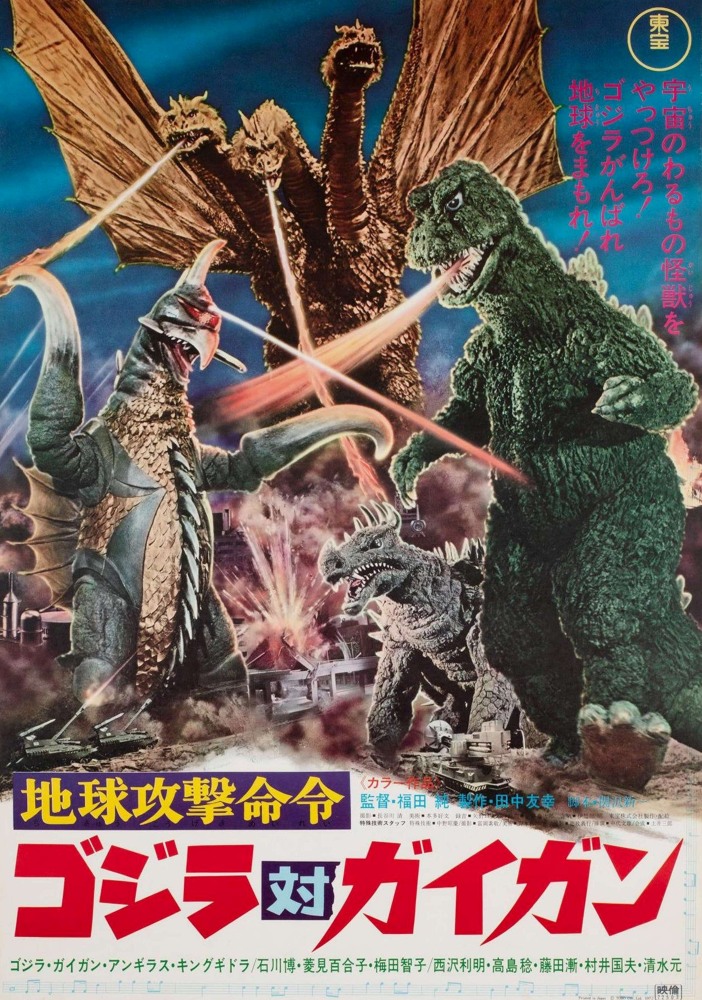
The 20th Toho monster movie where the studio decided to gather Godzilla and all the other monsters under their roof together for a massive tag team brawl. Disappointingly, the monsters are upstaged by space opera elements for long sections
A thoroughly demented Japanese sf/horror film about passengers of a crashed plane being menaced by a body-snatching alien vampire. Quite unlike any other Japanese monster movie, the colour schemes are so loud they leave you giddy
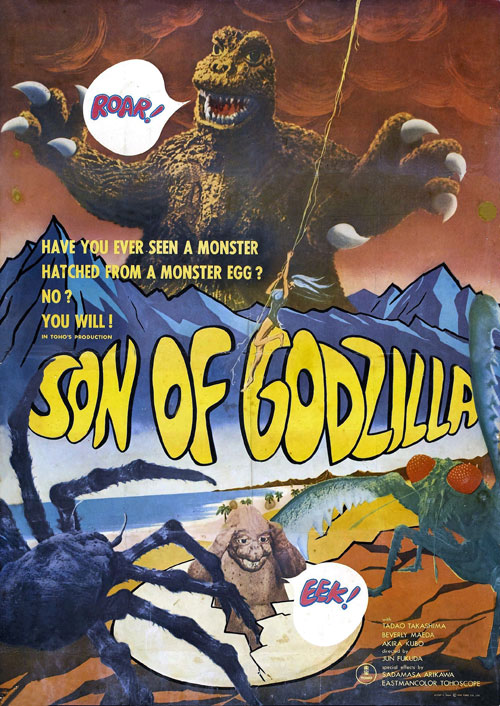
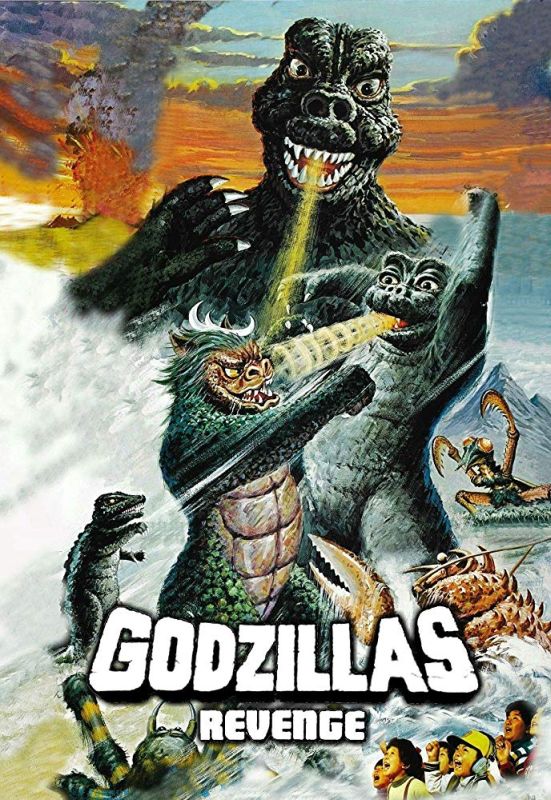
The eighth Godzilla film featuring the introduction of his son Minya in a shameless pitch for juvenile audiences. The series is no longer taking itself seriously, although ends up more likeable than some of the other entries of this period
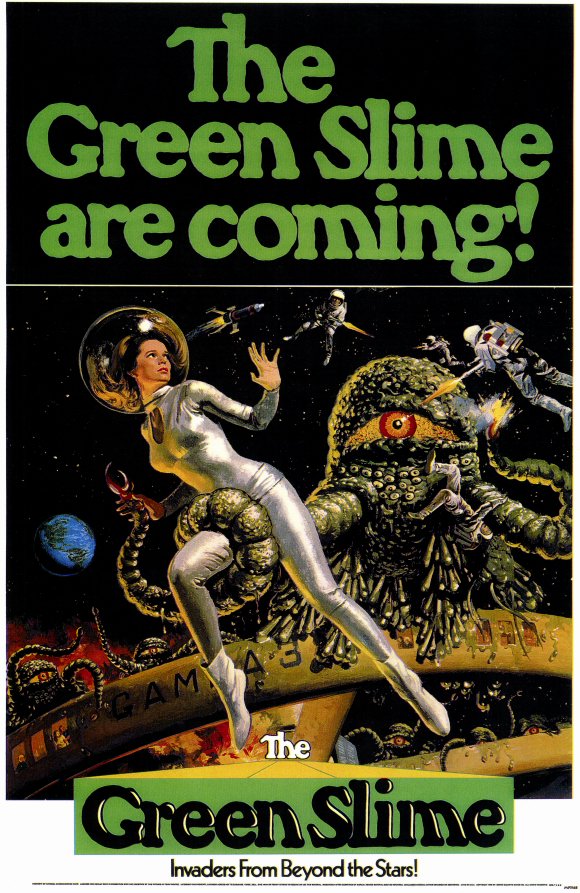
Cheesily entertaining film about a crew aboard a space station fighting off an alien monster. Cited as one of the films that influenced Alien. With a screenplay co-written by Batman co-creator Bill Finger
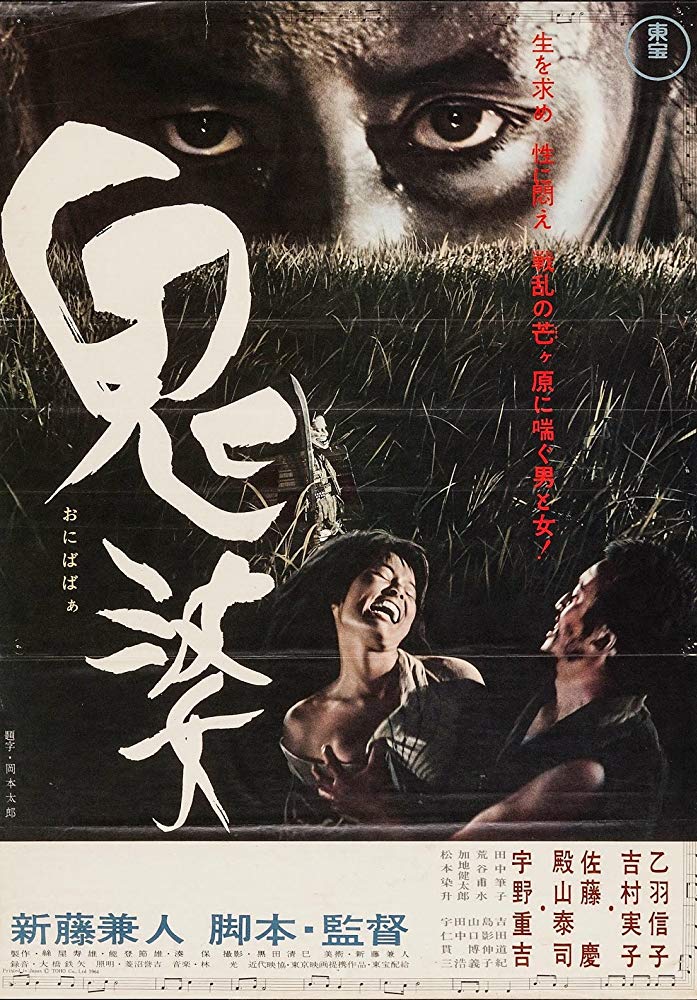
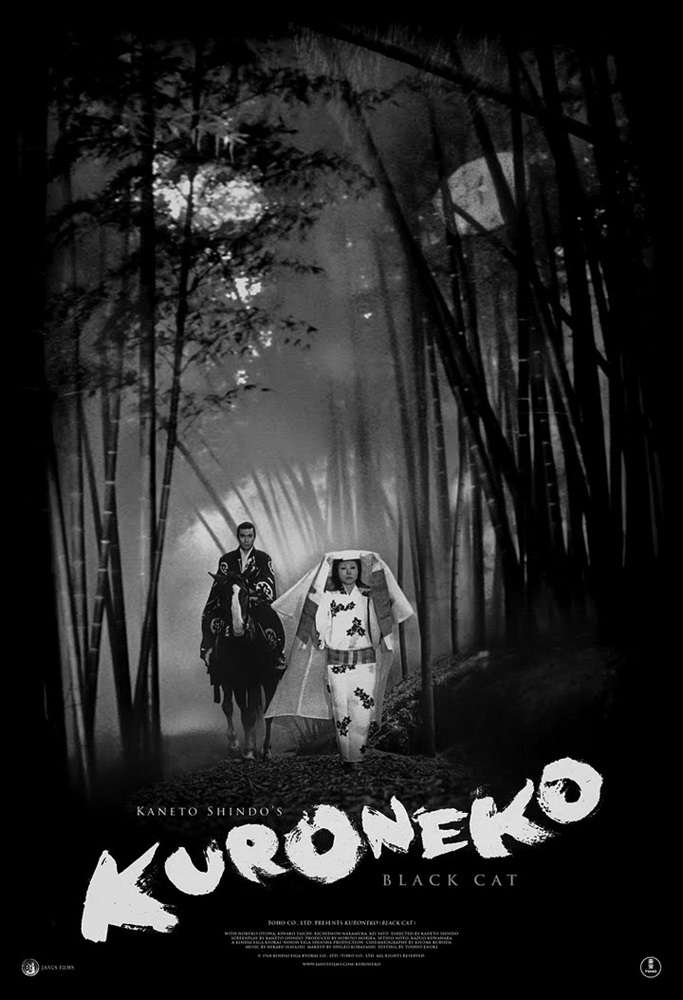
Exquisitely haunted Japanese ghost story from the muchly overlooked Kaneto Shindo that conjures some moments of genuinely otherworldly atmosphere
The fifth of the Gamera films, Japanese monster movies that are made for children. This abandons the relative realism of the earlier films for a colourful silliness with frequently lunatic results
The tenth Godzilla film and a low point of the series with the focus now going on the slapstick pratfalls of Godzilla’s son. Many special effects scenes are recycled from previous entries.
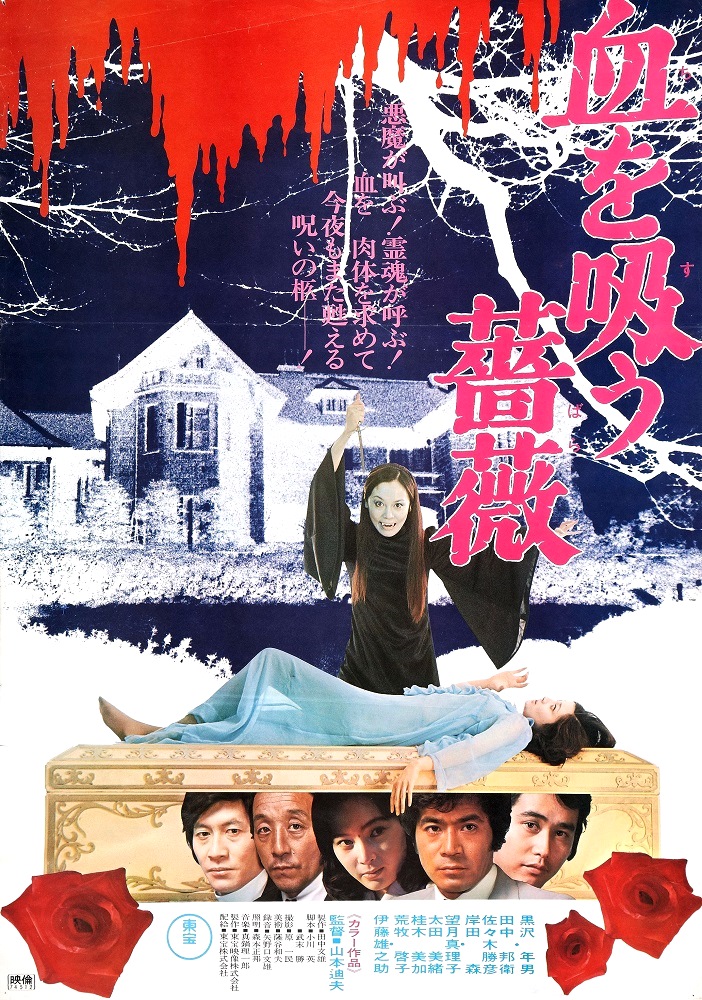
The first of a trilogy of Japanese vampire films, although this does not feature Dracula despite the title and should be considered more of ghost story.
One of the more forgettable films from Godzilla creator Ishiro Honda about an alien entity taking the form of giant animals on a Pacific island
The fifth of the 1960s Gamera films. This comes with inane plotting, sub-par effects and silly monster fight scenes, even a plot stolen from Fantastic Voyage about a submarine journey into the monster’s body
The second in a trilogy of spookily eerie Japanese vampire films
The eleventh Godzilla in which he faces the pollution monster Hedorah. For some reason, this gets a listing in The Fifty Worst Movies of All Time but there are worse entries in the series
This was the seventh of the 1960s Gamera films and one of the worst of the series. By now, the film is pitched entirely to juvenile audiences, while the effects are pitiful
The twelfth Godzilla film and under director Jun Fukuda a juvenile inanity had by now come to dominate the series. The special effects, often recycled from previous films, are very cheesy
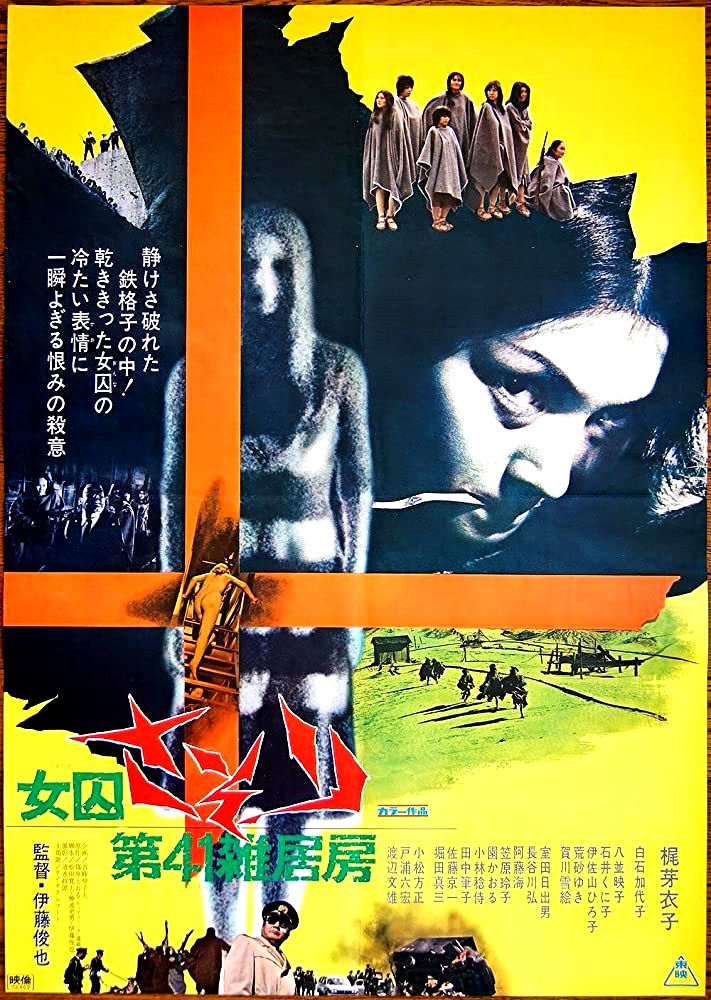
A cultish Japanese Women in Prison film made with a wild ferocity as a female prisoner makes an escape and leads a team of women as they take revenge against men who seeks to abuse them
A thinking person’s disaster movie depicting Japan’s sinking into the ocean
The thirteenth Godzilla film and a point that the series was no longer taking itself seriously. On the other hand, this is something that actually works in the films favour to create a sublime silliness
Osama Tezuka is a cult figure in anime and manga – what is less well known is that he also made adult animation. This, about a woman’s temptation by The Devil in mediaeval France, is a mind-boggling array of psychedelia and eroticism
The third in a trilogy of spookily eerie Japanese vampire films. This echoes the basics of Hammer’s Lust for a Vampire in being set at a girls’ boarding school, which is spun in interesting ways
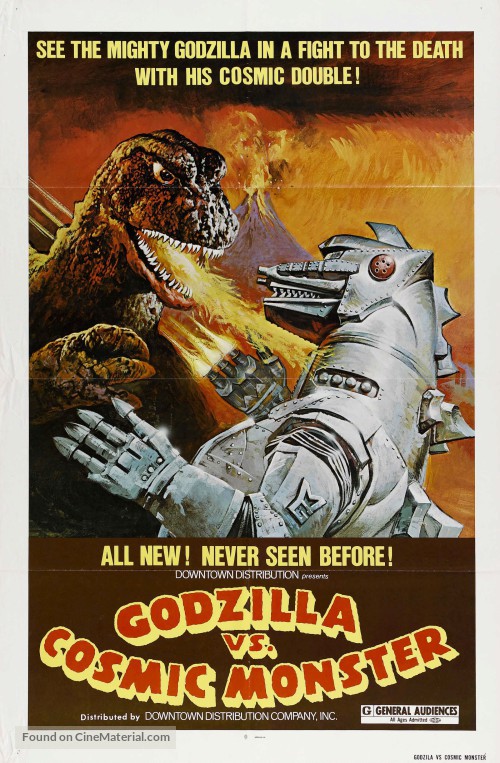
The fourteenth Godzilla film, noted for the introduction of Mecha-Godzilla, a robot copy of Godzilla that became a recurring nemesis in subsequent entries. By this point in the original series, the effects and quality of production had become very shabby
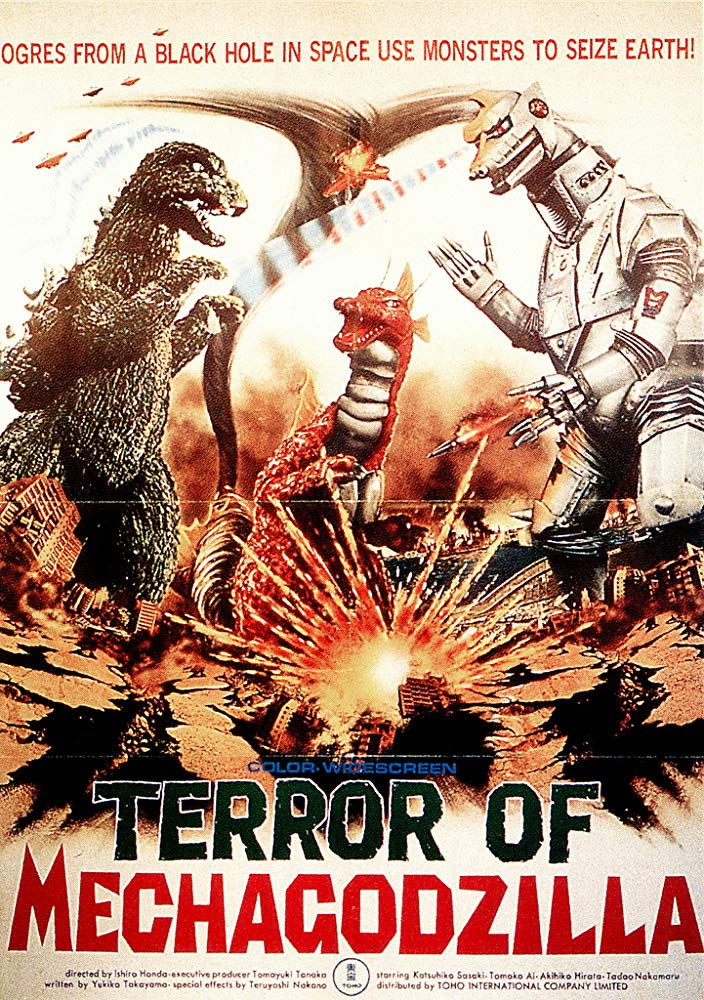
The fifteenth Godzilla film, the last of the classic series, featuring a return of Mechagodzilla from the previous film. Original director Ishiro Honda returns to the series and reclaims it from the juvenile focus it had taken over the last few films to make the best entry of the 1970s
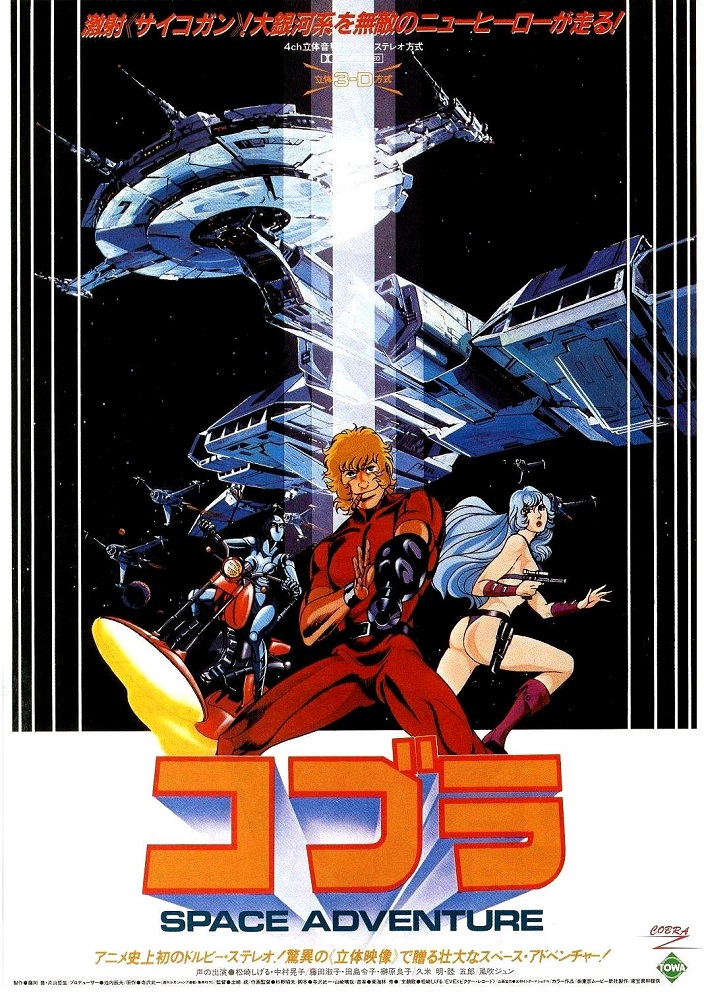
Anime film spun off from a popular Japanese tv series. Despite crude animation, this has a colourful vigour and taps the same space opera vein as Star Wars, which came only three months earlier
Very strange Japanese ghost story that has been rediscovered as a cult classic. It resembles a gonzo children’s film like Willy Wonka turned into a haunted house film where the intention seems to have been to be a bizarre and wacky as possible
Japanese ghost story in the neo-realist style where a wife and her lover kill her husband and dump his body down a well only for him to return as a ghost
Japanese attempt to jump aboard the Star Wars fad, a vigorous and colourful retelling of The Seven Samurai as a space opera
An anarchic Japanese film where a school teacher builds an atomic bomb and then begins blackmailing the authorities with his demands
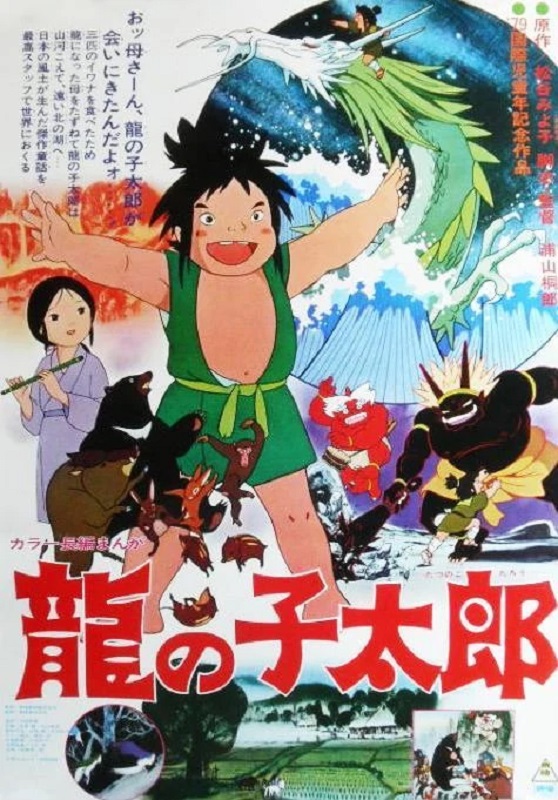
Likeable and charming Japanese anime for children about a young boy of hubris who sets out on a series of adventures
Classic anime space opera adventure made not long after Star Wars and filled with moments of glorious visual poetry including the conceptually absurd image of a spacegoing train
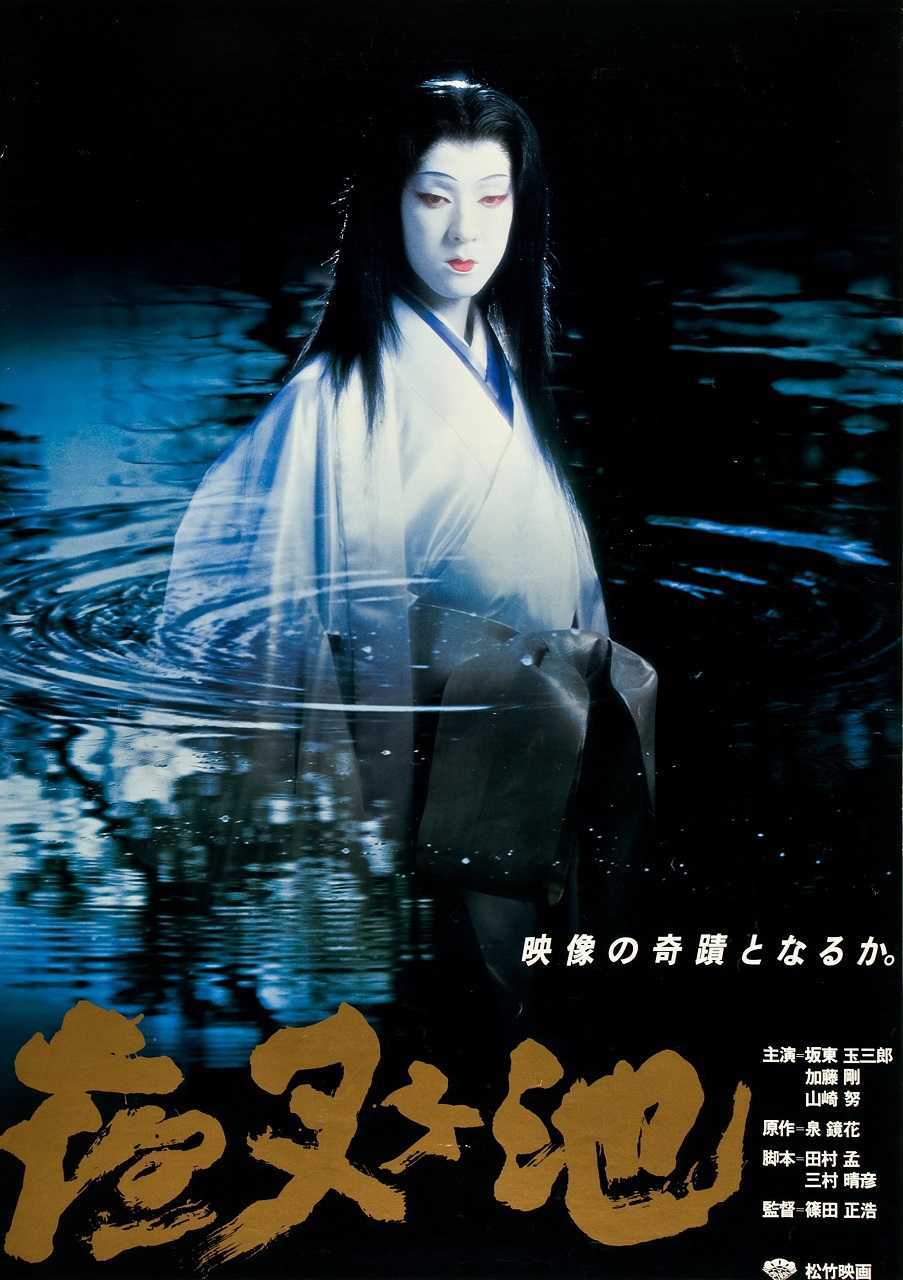
Forgotten Japanese film about a man searching for a friend finding a village where a bell must be struck to prevents creatures escaping from a pond. Beautiful, bizarre and quite unlike any fantasy film you have seen before
This is possibly the worst Kaiju film ever made – produced by a bankrupt company in order to recoup losses, it has been cheaply slung together by rehashing footage from the other Gamera films
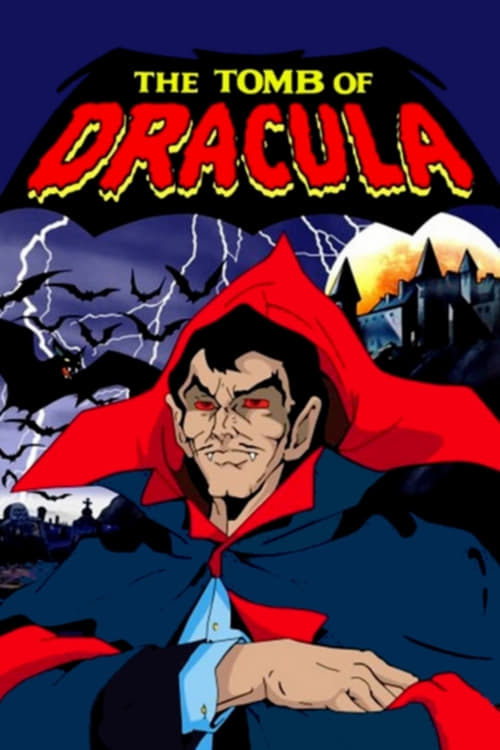
Not an adaptation of Bram Stoker but an anime based on the Marvel comic-book Tomb of Dracula (the same title that gave birth to Blade)
A very rare anime film about a fairy who descends to Earth from the heavens and takes the side of downtrodden peasants in standing against a greedy landowner and a demon god
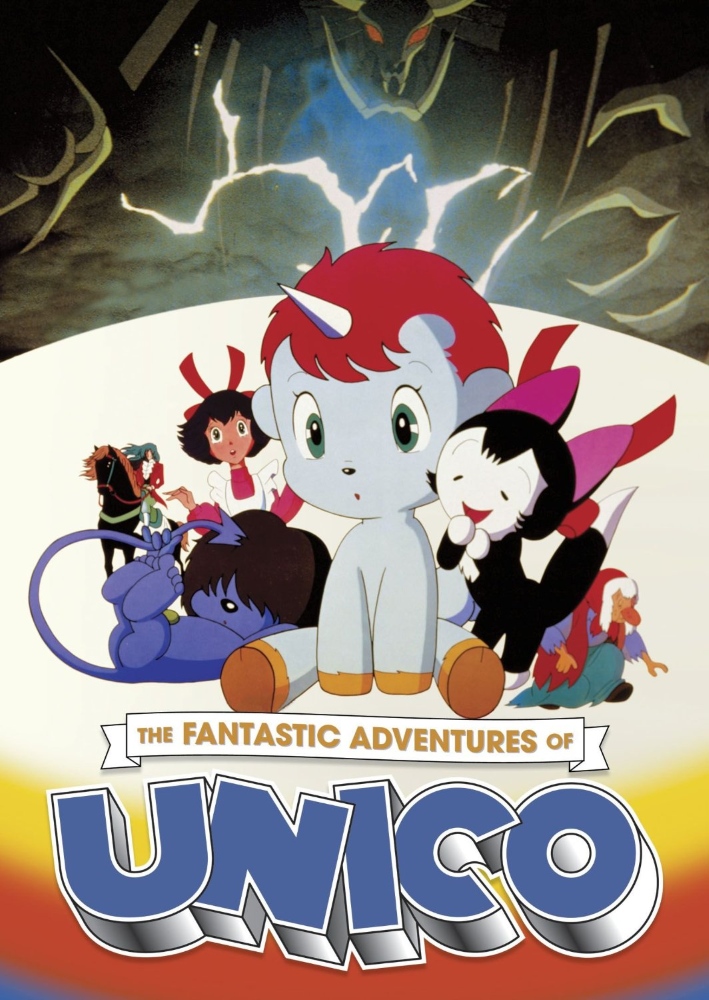
aka The Fantastic Adventures of Unico Japan. 1981. Crew Director – Toshio Hirata, Screenplay – Masaki Tsuji, Based on a Story by Osamu Tezuka, Producer – Shintaro Tsuji, Music – Ryo Kitayama, Art Direction – Akio Sugino. Production Company – Sanrio. Plot The gods are jealous of the young unicorn boy Unico who can bring […]
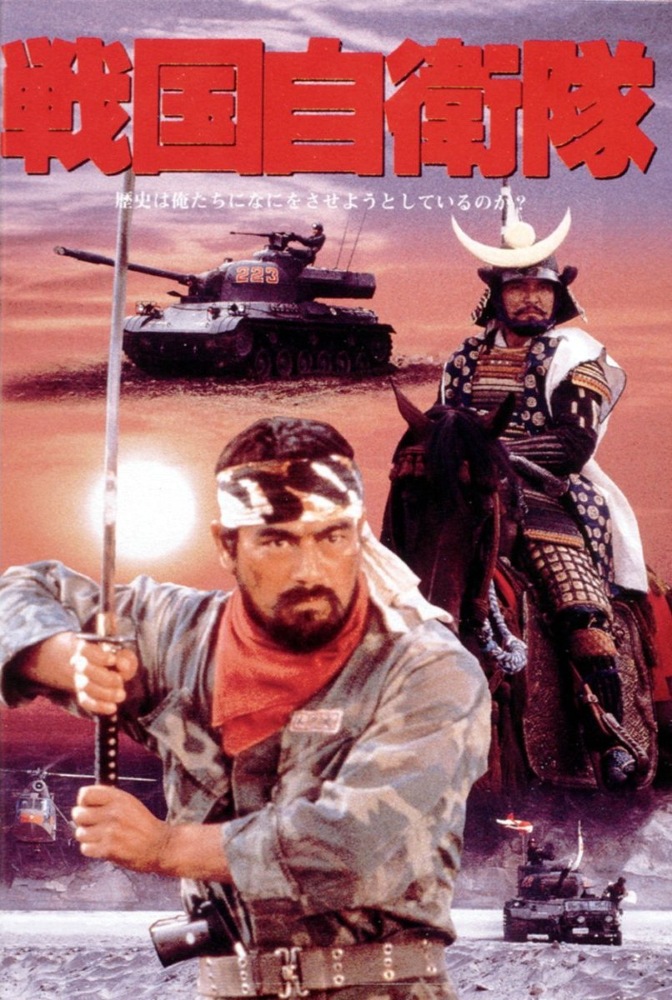
Highly entertaining Japanese film about modern soldiers thrown back to feudal Japan and deciding to overthrow the shogunate
The great Osamu Dezai makes a colourful anime that jumps aboard the Stars Wars space opera fad
Reboot of the Godzilla series that forgets about all the sequels and acts as a direct follow-up to the original film. This uses top drawer effects technology of the era to create Godzilla as the fearsome creation he originally was
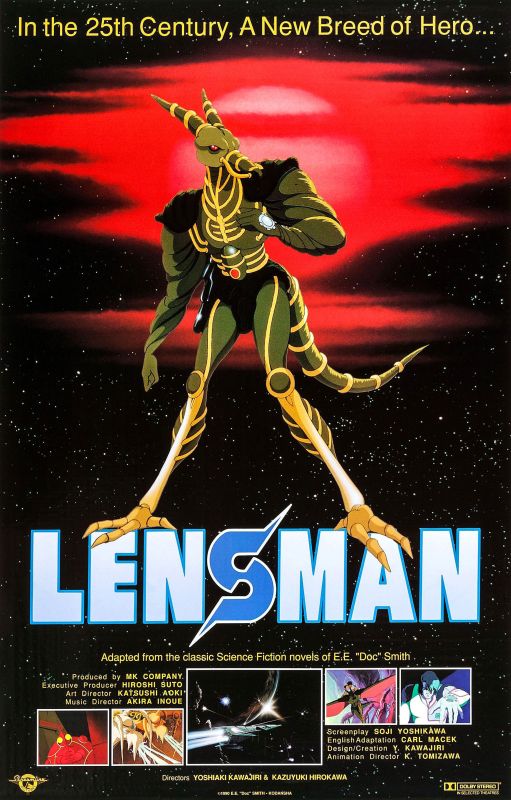
E.E. ‘Doc’ Smith’s space opera books are given the anime treatment, which abandons much adherence to the source material and ends up more as a copy of Star Wars
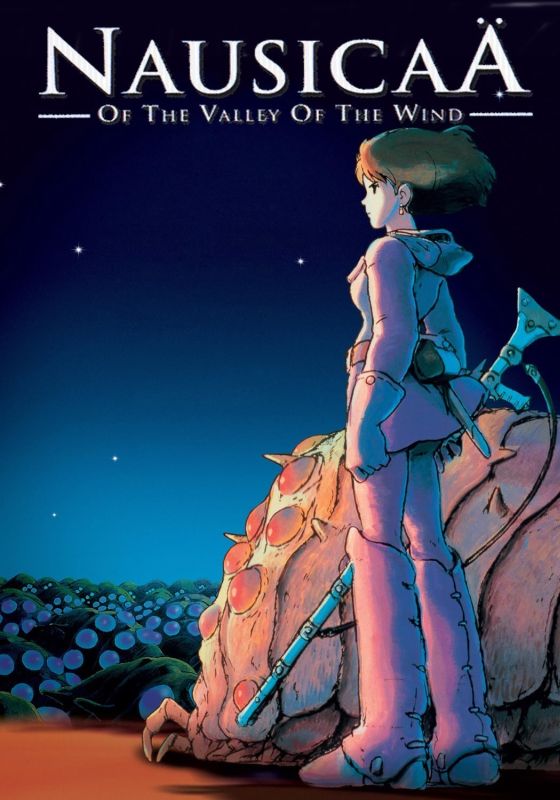
Hayao Miyazaki’s second film, a visually stunning work set in the aftermath of a holocaust. Miyazai’s frequent themes of pacifism and respect for the environment and run through building to a emotionally wrenching climax
Cult anime about a monosyllabic vampire hunter moving across a hallucinatory post-apocalyptic dispatching mutants and vampires
One of the earliest works of anime director Mamoru Oshii, later famous for Ghost in the Shell. This is a plotless, almost dialogueless work about a young girl journeying across a strange planet that is more surrealism than SF
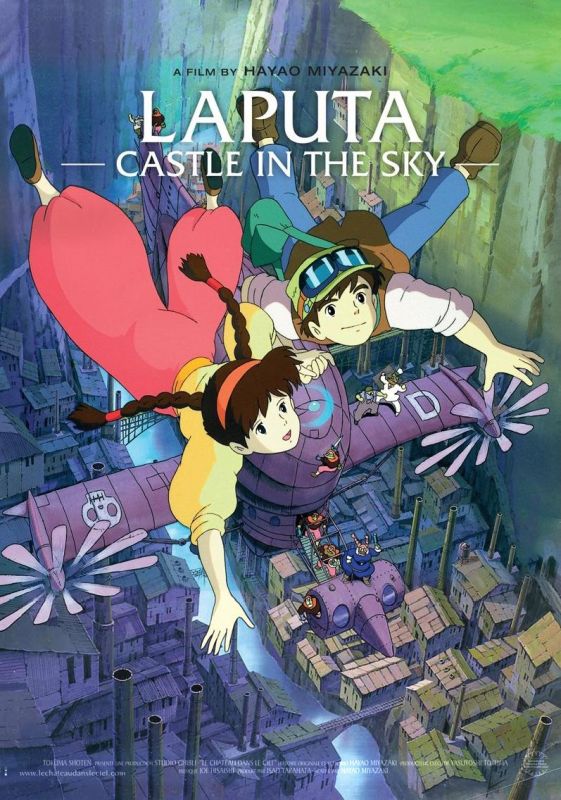
Visually stunning Hayao Miyazaki film about the search for a lost city of the clouds Soaring adventure in an alternate world of airship fantasies before arriving at the title location, rendered in a series of breathtaking vistas
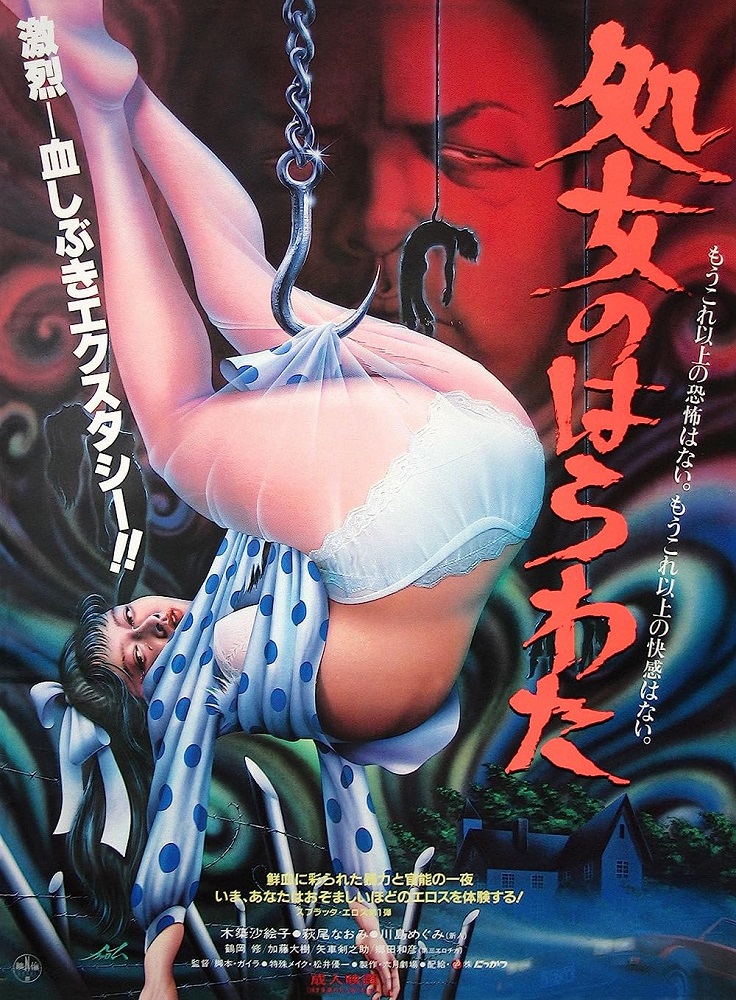
Welcome to the bizarre and decidedly politically incorrect world of the Japanese pinku film. Words fail me on this one, which concerns a demonic rapist that attacks a porn film shoot
One of the earliest works from Katsuhiro Otomo, the cult director of Akira, although he only contributes one episode to an anthology of anime tales with the common theme of robots. The collection contains some impressive and visually striking episodes
Obscure Japanese film set in a computer-controlled dystopia where a simple bus driver makes a defiant stand against against conformity
Anime from Yoshiaki Kawajiri about a war with a demon dimension that falls halfway between H.P. Lovecraft and a hard-boiled detective thriller and brims over wit fascinatingly pathological sexual imagery
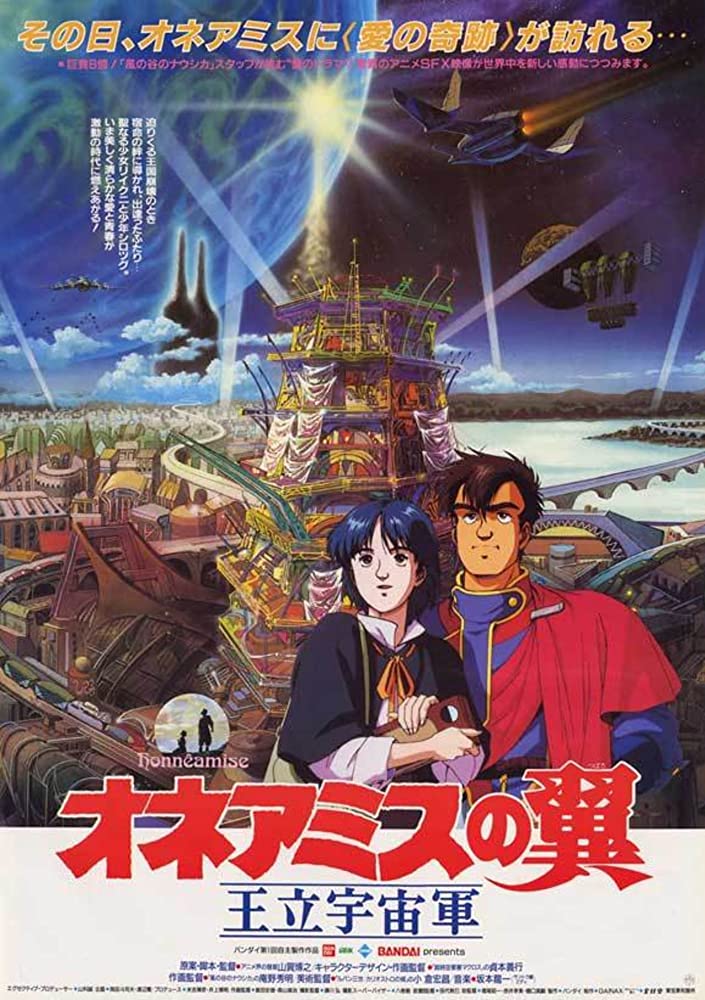
Little-seen but beautifully made anime set in an alternate timeline where a young man becomes the volunteer for the first space launch
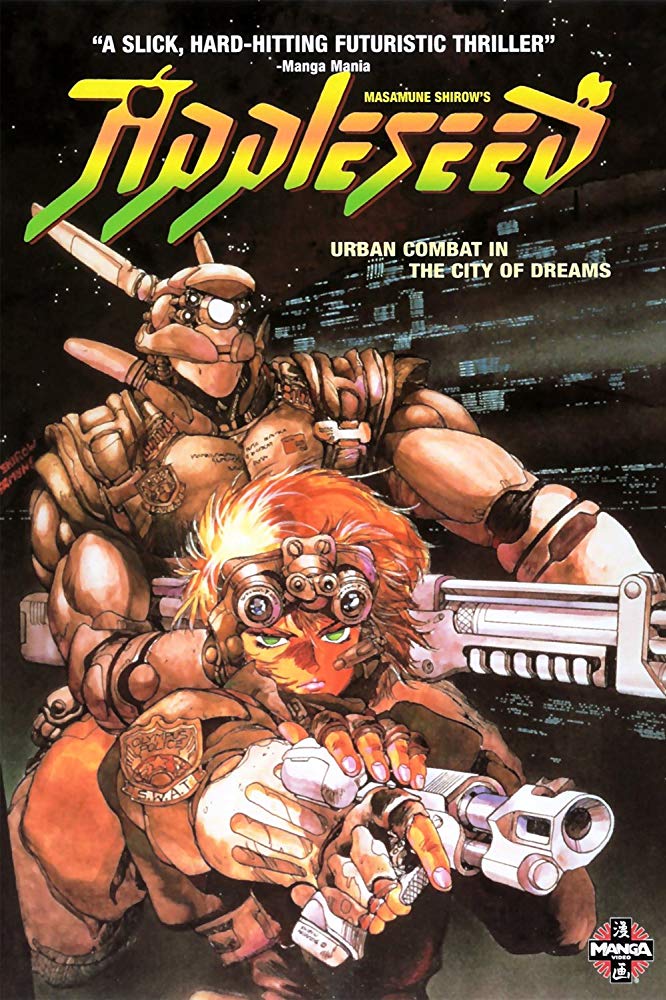
The first anime film to be based on the manga, this is set in a future where the heroine is the head of a heavily armoured SWAT team fighting terrorists. Several different incarnations followed.
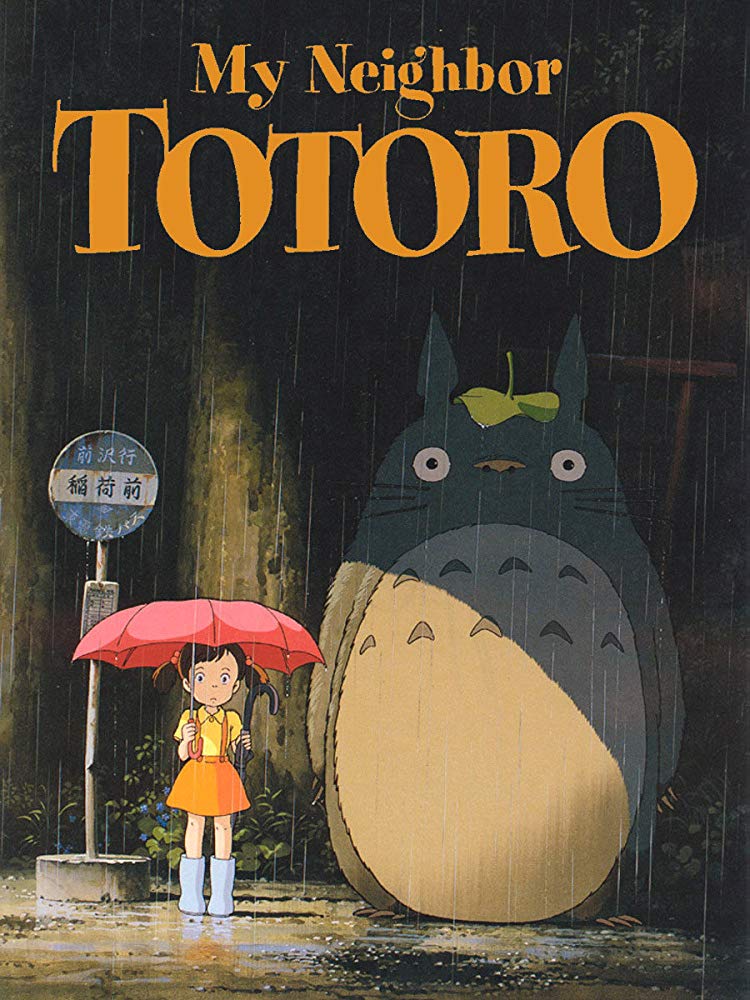
Possibly the most perfect of all Hayao Miyazaki’s anime, a work about childhood featuring an array of charmingly eccentric creatures. It is a film of absolutely magical charms beneath which lies a swim of adult emotions that children’s films rarely touch upon
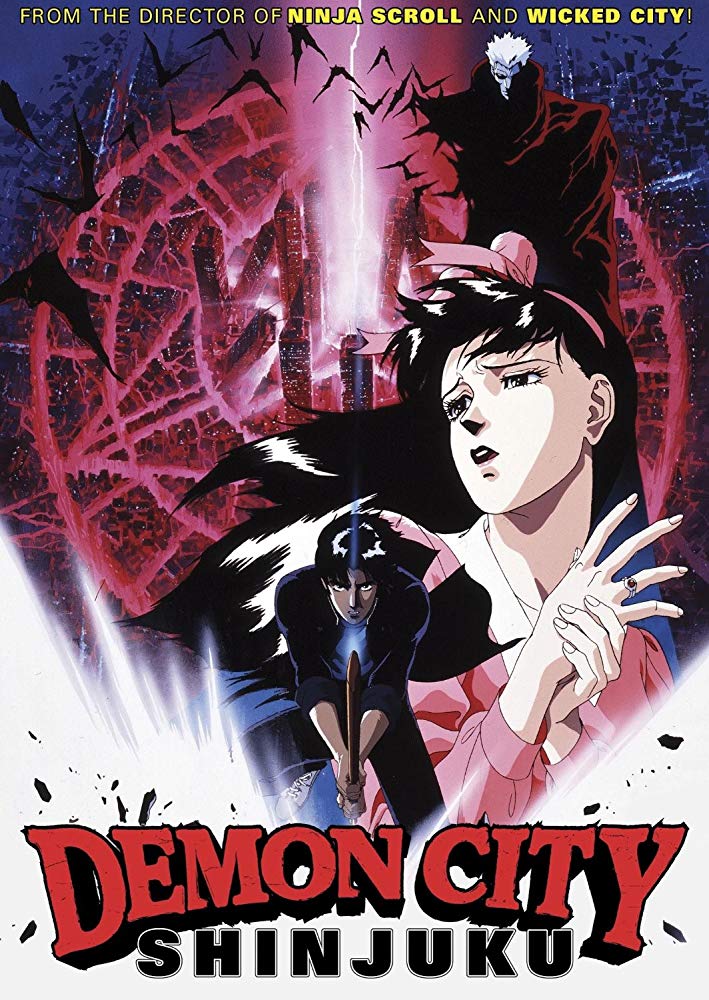
Anime from Yoshiaki Kawajiri, director of Wicked City and Ninja Scroll, concerning a suburb of Tokyo that is transformed into a borderland zone inhabited by demonic forces. Like Wicked City, this is a work filled with wild and perverse visions
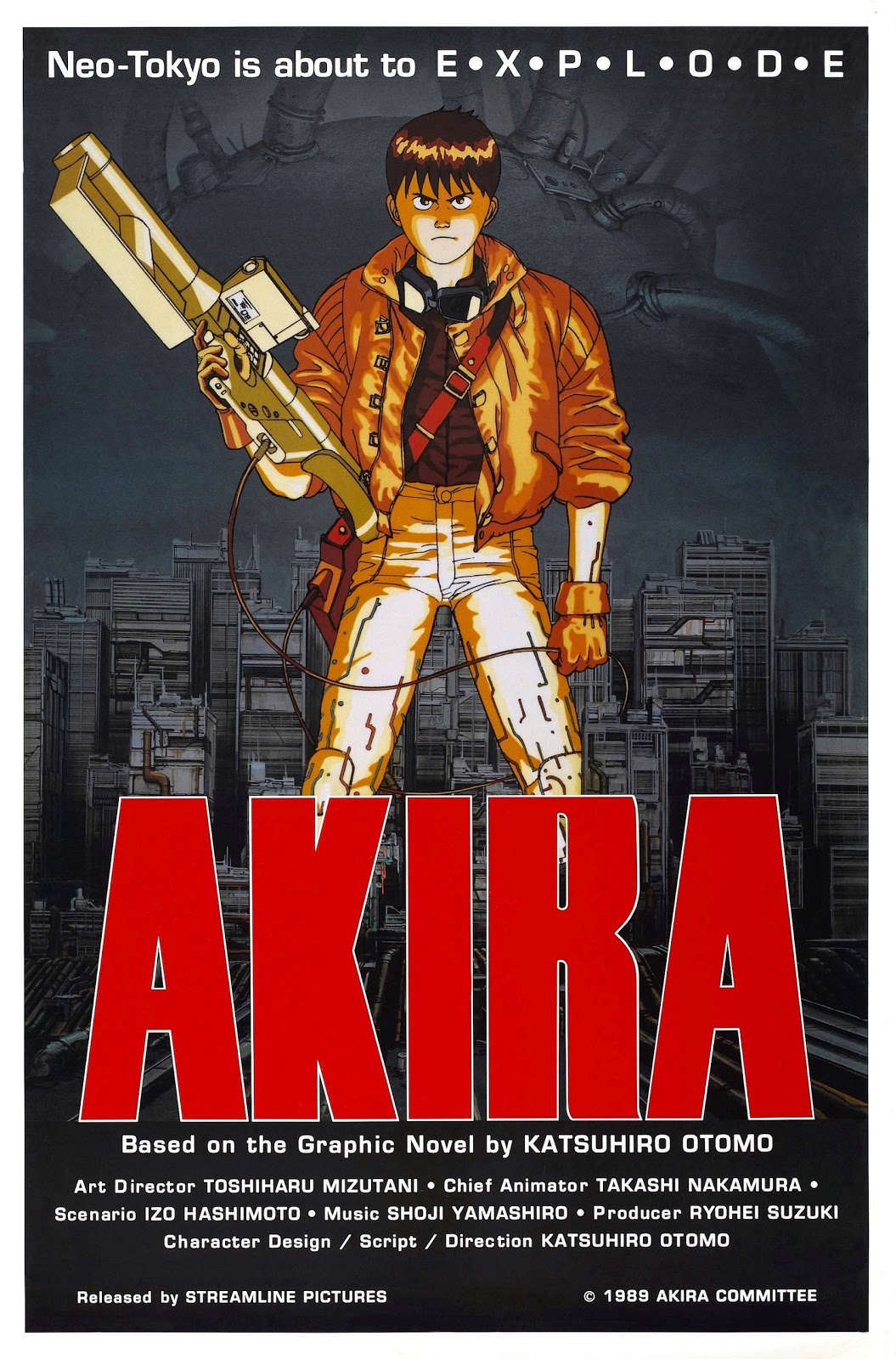
The film that created the cult of anime in the West. Essentially a Cyberpunk version of The Fury, this has been construed as a series of climaxes that get progressively larger in scale until they almost reach a point of sensory overload
The first of two OVA sequels to the anime classic Legend of the Overfiend, this lacks the perverse imagery of the original
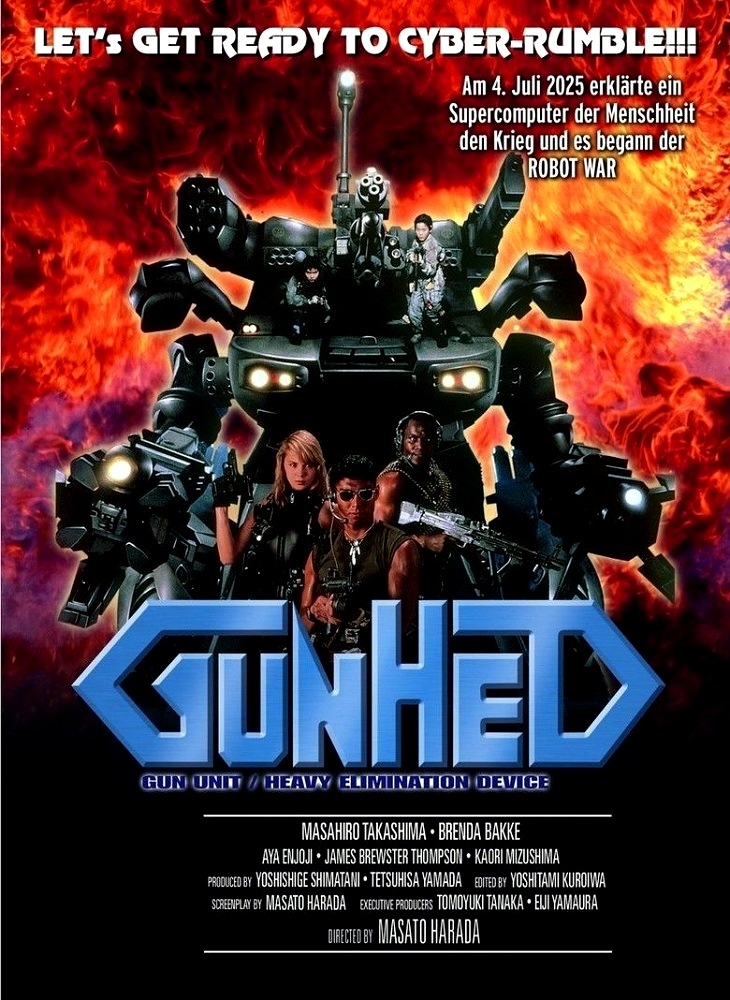
A live-action Japanese-made mecha/transformer film that creates a dark industrial world as setting and fills it with some stunning effects
Extraordinary directorial debut from Japan’s Shinya Tsukamoto, a frenetic, fetishistic and surreally deranged vision of man-machine fusion that feels like David Lynch having gone away and done a crash reading course of William Gibson